Skip to content







Plug & Charge is transforming how EV owners interact with charging infrastructure by eliminating the need for apps, cards, or manual authentication. As electric mobility grows globally – and particularly in the UAE – this technology is becoming a cornerstone of seamless ev charging experiences.
With the rise of electric vehicle chargers across residential, commercial, and public spaces, users are increasingly expecting convenience similar to fueling a traditional car. Plug and Charge, powered by the ISO 15118 standard, delivers exactly that.
What is Plug & Charge (ISO 15118)?
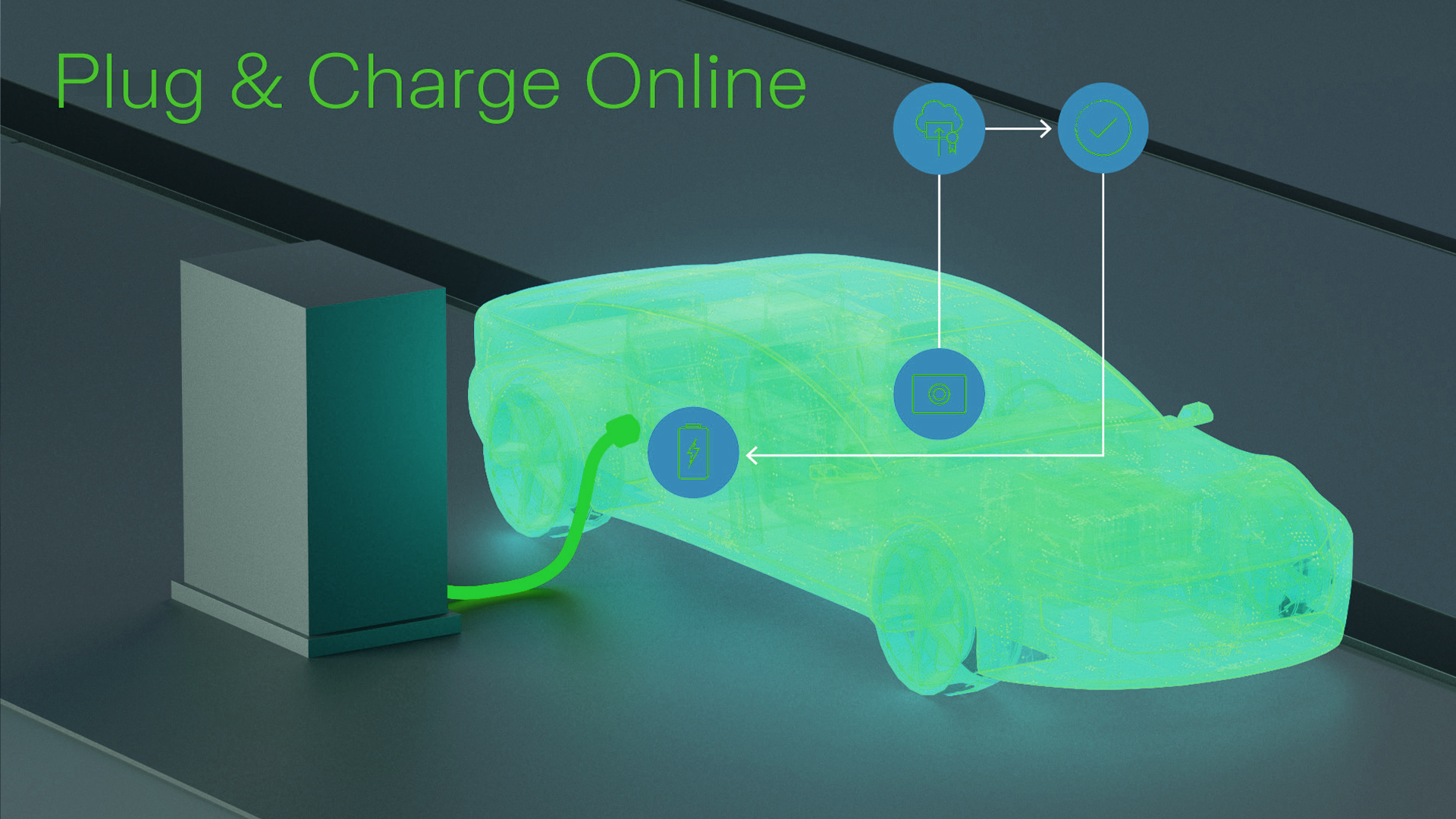
Plug and Charge is a communication protocol based on ISO 15118, an international standard that enables automatic authentication and secure data exchange between an EV and an electric car charger.
In simple terms, when you plug your EV into a compatible charger:
- The vehicle automatically identifies itself
- Authentication happens instantly
- Charging begins without any manual input
No RFID cards, no mobile apps, no waiting.
This technology is particularly relevant in modern ev charging solutions, where user experience and efficiency are critical.
Why Plug & Charge Matters in Today’s EV Ecosystem
As EV adoption accelerates, traditional charging methods – like apps and access cards – are increasingly becoming friction points. Users often face issues like app glitches, network delays, or forgotten RFID cards.
Plug & Charge addresses these challenges by simplifying the entire process and making EV charging as effortless as possible.
Key Benefits
Seamless experience: With Plug & Charge, the entire process becomes truly effortless. The moment you connect your vehicle to an electric car charger, authentication and charging begin automatically.
There’s no need to open an app, scan a QR code, or tap a card. This is especially valuable in high-traffic areas like malls, office complexes, or residential communities where speed and convenience matter most.
Faster authentication: Traditional systems can take anywhere from 30 seconds to over a minute due to app loading times, connectivity issues, or backend delays. Plug and Charge reduces this to just a few seconds through direct communication between the EV and the electric vehicle chargers.
This significantly cuts down waiting time and improves overall station efficiency – allowing more vehicles to charge in less time.
Enhanced security: Plug and Charge uses encrypted digital certificates to establish a secure connection between the EV and the charger. Unlike RFID cards or apps that can be lost, cloned, or hacked, this system ensures a higher level of cybersecurity.
For users and operators relying on advanced ev charging solutions, this means safer transactions and better protection of user data.
Universal compatibility: Because Plug & Charge is based on the ISO 15118 global standard, it is designed to work across different EV brands and charging networks. This reduces dependency on specific apps or providers and creates a more open, interoperable ecosystem.
As more ev chargers adopt this standard, users will be able to enjoy a consistent experience regardless of location.
Better user experience with smart systems: For users of smart EV charger systems, Plug and Charge enhances personalization and automation. Charging preferences, billing details, and user profiles can be managed seamlessly in the background.
This creates a more intuitive and connected charging journey, aligned with modern smart city infrastructure – something that is rapidly evolving in regions like the UAE.
How Plug & Charge Works
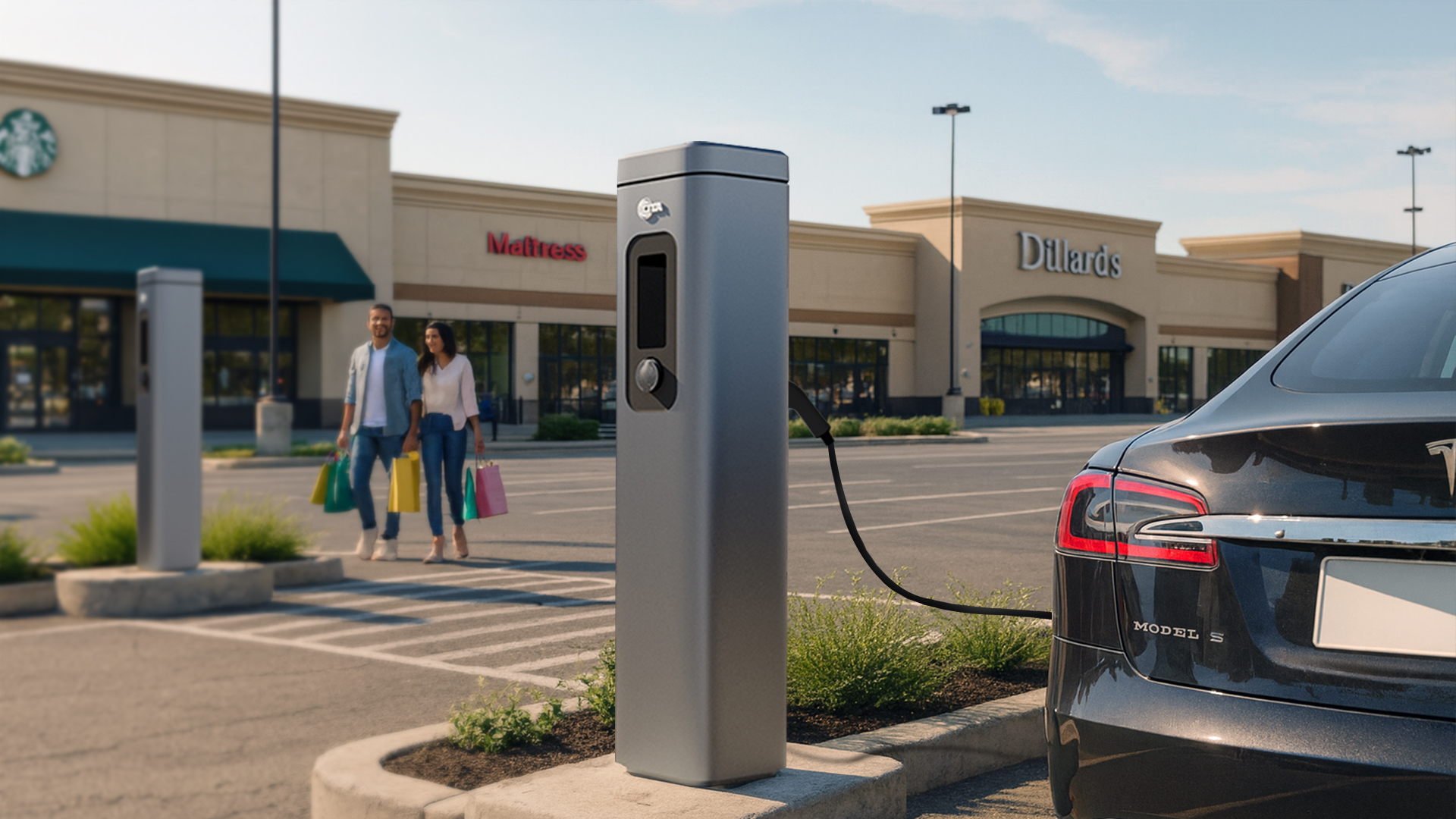
Plug & Charge relies on secure, automated digital communication between the EV and the charging station, removing the need for any manual steps. Behind the scenes, it uses encrypted certificates and standardized protocols (ISO 15118) to ensure everything happens quickly and safely.
Here’s a more detailed breakdown of how the process works:
Step-by-Step Process:
Plug In: The process begins the moment you connect your EV to an electric car charger. Unlike traditional charging, there’s no need to open an app or authenticate manually – the system is designed to recognize the vehicle instantly.
Authentication: Once connected, the EV sends a unique digital certificate to the charger. Think of this as a secure digital identity that confirms the vehicle is registered with a trusted network. This replaces RFID cards or mobile-based logins used in conventional ev charging systems.
Verification: The charging station then communicates with a backend system (charging network or mobility provider) to verify the certificate. This step ensures that the vehicle is authorized and linked to a valid user account or billing setup. All of this happens in real time across connected electric vehicle chargers.
Authorization: After successful verification, the system automatically grants access to the charger. There’s no user intervention required – no tapping cards, no entering credentials – making the experience completely frictionless.
Charging Starts: Once authorized, energy flow begins immediately. Depending on the type of charger – whether it’s an AC or DC setup within broader ev charging solutions – the vehicle starts charging at the optimal speed available.
Billing: While charging is in progress, the system tracks energy consumption in the background. Once the session ends, billing is processed automatically through the user’s linked account. This ensures accurate, transparent, and secure transactions without any manual steps.
Role of ISO 15118 in Plug & Charge
ISO 15118 is the backbone of Plug and Charge functionality. It defines how EVs and electric vehicle chargers communicate securely and efficiently.
Key Features of ISO 15118:
- Secure communication protocols
- Digital certificate-based authentication
- Bidirectional communication (Vehicle-to-Grid readiness)
- Interoperability across networks
This standard ensures that different EV brands and charging networks can work together seamlessly – an essential requirement for scalable ev charging solutions.
Plug & Charge vs Traditional Charging Methods
| Feature | Traditional Charging | Plug & Charge |
|---|---|---|
| Authentication | App/RFID/Card | Automatic |
| User Interaction | Multiple steps | Plug and go |
| Time to Start Charging | 30–60 seconds | Instant |
| Security | Moderate | High (encrypted) |
| Convenience | Medium | Very High |
This shift is particularly important in high-traffic environments like malls, offices, and gated communities.
UAE EV Charging Landscape: Why Plug and Charge is Relevant
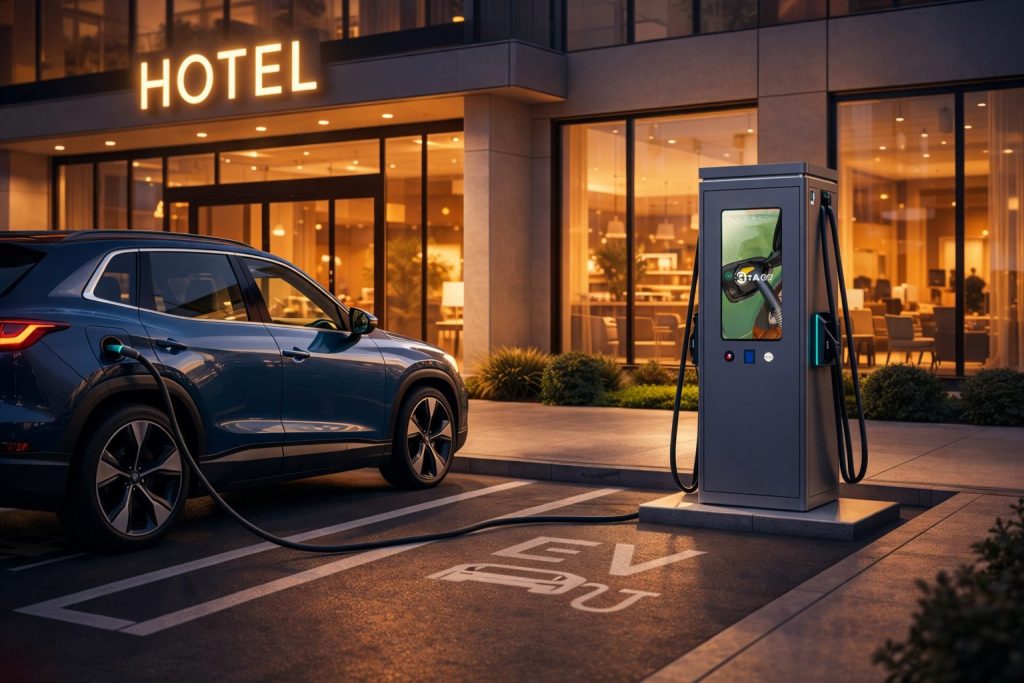
The UAE is rapidly positioning itself as a leader in sustainable mobility. Initiatives like Dubai’s Green Mobility Strategy and Abu Dhabi’s Net Zero goals are driving EV adoption.
Key Developments:
- Expansion of public electric vehicle chargers across Dubai and Abu Dhabi
- Increased adoption of EVs in residential communities
- Government incentives supporting clean energy transitions
- Integration of smart infrastructure in new developments
As more electric car charger installations appear across the UAE, the need for simplified and standardized charging experiences becomes critical.
Plug and Charge aligns perfectly with this vision by:
- Reducing user friction
- Supporting smart city initiatives
- Enhancing infrastructure interoperability
A Smarter Way to Charge EVs
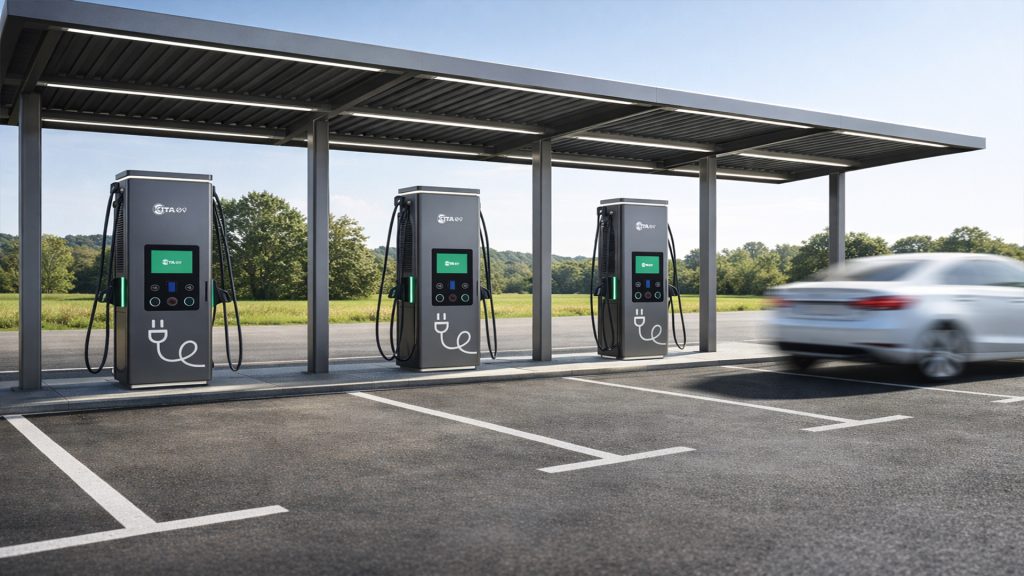
Plug and Charge is redefining how EV users interact with electric vehicle chargers by removing friction and enhancing security. The result is a seamless, intuitive charging experience that aligns perfectly with the future of mobility – especially in forward-thinking regions like the UAE, where EV adoption and smart infrastructure are rapidly advancing.
As ev charging solutions continue to evolve, technologies like Plug and Charge will play a critical role in improving accessibility, operational efficiency, and overall user satisfaction. It simplifies the charging journey while supporting a more connected and intelligent ecosystem.
As the EV landscape grows, choosing the right infrastructure becomes equally important. CITA EV chargers are built to meet modern demands, including compatibility with Plug & Charge capabilities – ensuring a future-ready and hassle-free experience for users.
If you’re planning to upgrade or deploy advanced electric car charger systems, it’s worth exploring solutions aligned with ISO 15118 standards.
To learn more or find the right fit for your needs, you can explore CITA’s offerings and take a step toward making your EV charging setup smarter, simpler, and more efficient.