Skip to content







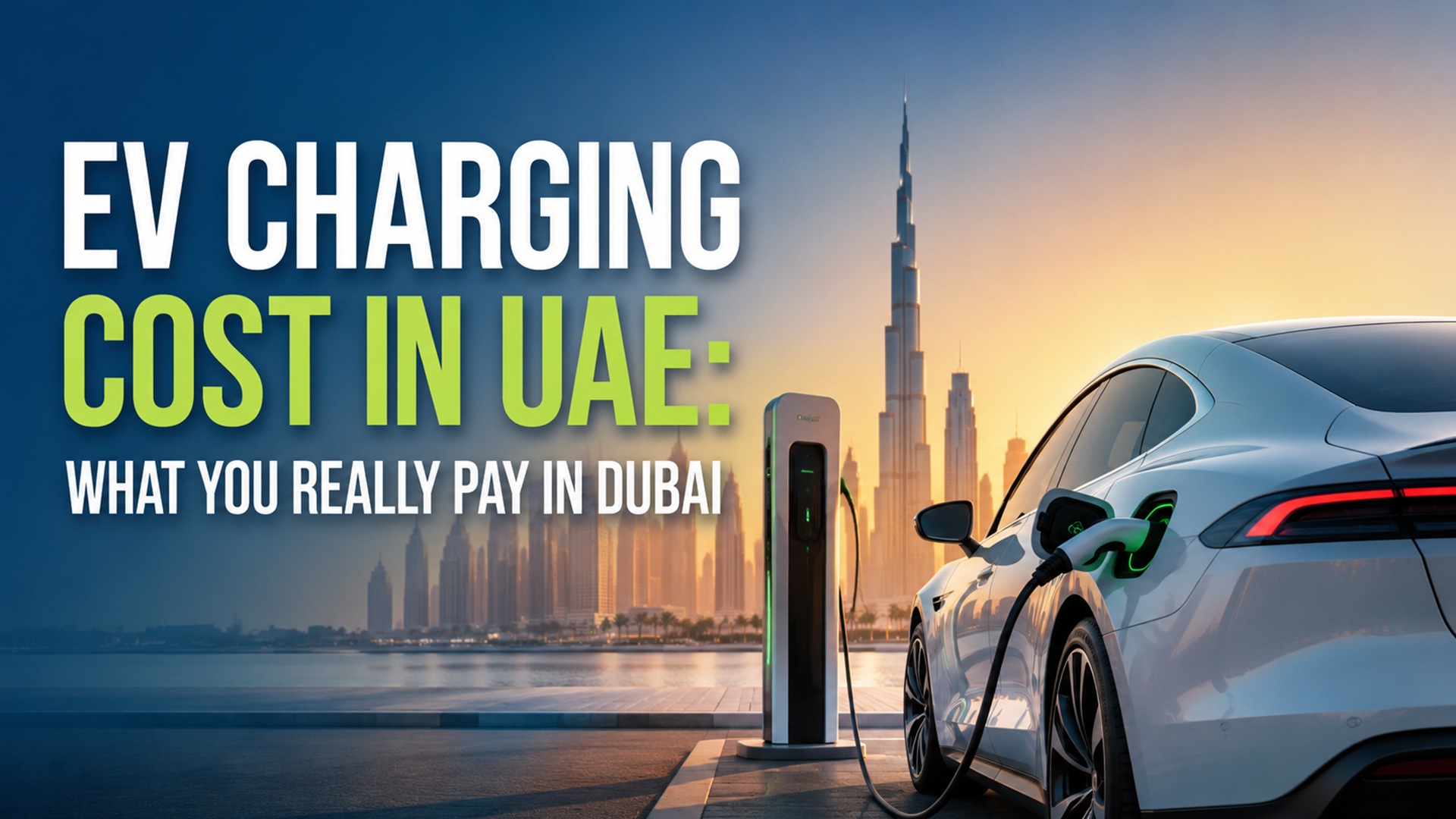
Electric vehicles are becoming increasingly common across the UAE as drivers look for cleaner, smarter, and more economical alternatives to traditional petrol-powered vehicles. However, one question continues to dominate conversations among prospective EV buyers: What is the actual EV Charging Cost in UAE?
While electric vehicles are generally less expensive to operate than conventional vehicles, charging costs are not always as straightforward as many people assume. Factors such as electricity tariffs, charging location, battery size, charging speed, and driving habits can all influence how much you ultimately spend.
As the UAE continues expanding its EV charging infrastructure and encouraging sustainable transportation, understanding charging costs has become an important part of making informed ownership decisions. Whether you are considering your first EV or looking to optimise your current charging strategy, this guide explains what really affects EV charging costs in Dubai and across the UAE.
Why EV Charging Costs Are Different from Fuel Costs
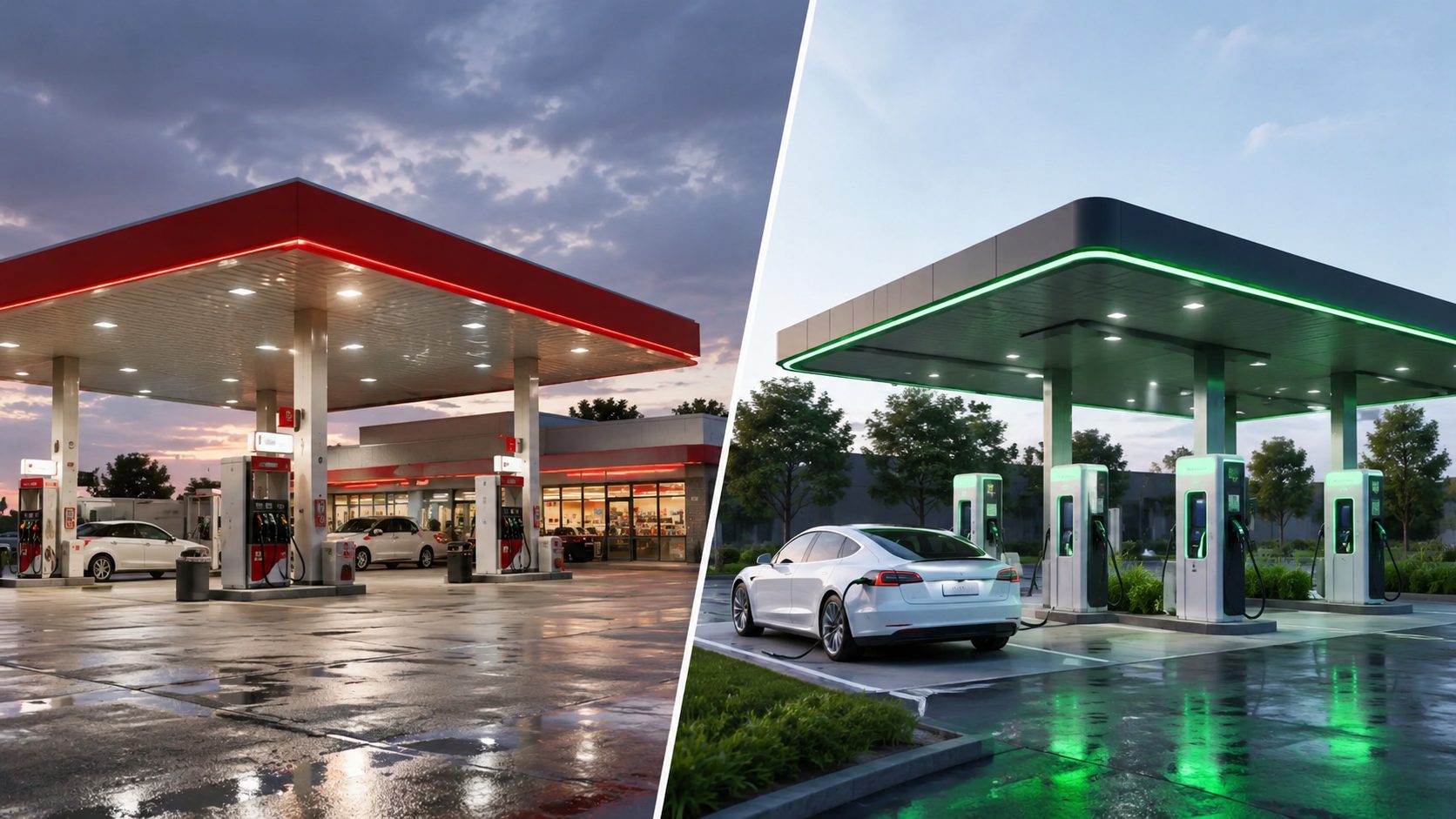
For decades, drivers have been accustomed to calculating vehicle expenses based on fuel prices. Electric vehicles operate differently because electricity consumption depends on multiple variables beyond simply filling a tank.
With a petrol vehicle, the cost is largely determined by fuel prices and fuel efficiency. With an EV, the cost depends on where you charge, when you charge, how often you charge, and how efficiently your vehicle uses energy.
This flexibility is one of the biggest advantages of EV ownership. EV Drivers can choose between home charging, workplace charging, public charging stations, and ultra-fast charging hubs based on convenience and budget.
As a result, two EV owners driving similar vehicles may experience very different charging costs depending on their charging habits.
What Determines EV Charging Cost in UAE?
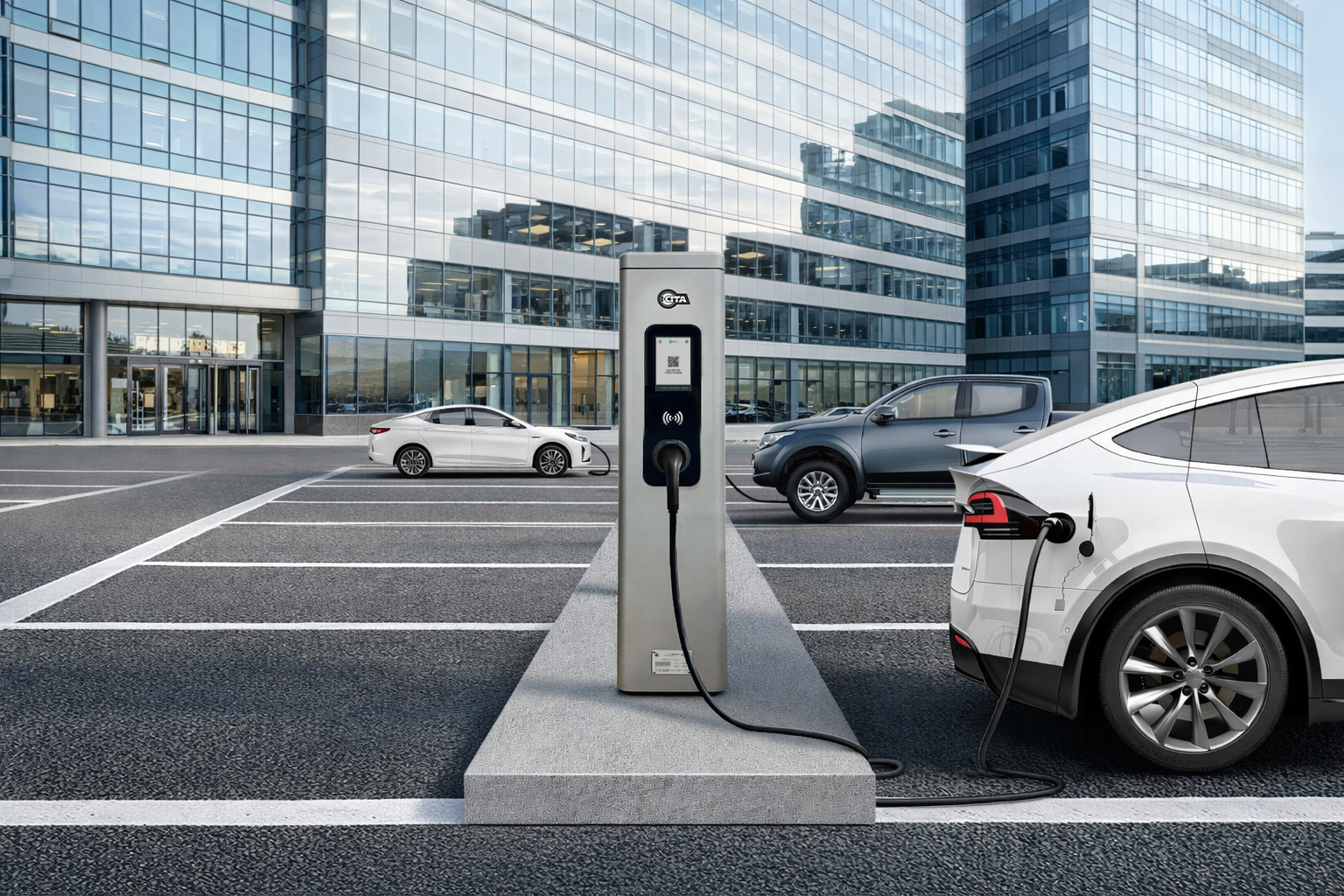
There is no fixed charging cost that applies to every electric vehicle. Several factors work together to determine overall charging expenses.
1) Electricity Tariffs
Electricity pricing remains one of the most significant factors affecting EV charging expenses.
The amount paid for charging depends on:
- Residential electricity tariffs
- Commercial electricity rates
- Public charging network pricing
- Fast charging service fees
- Energy management systems
Drivers who primarily charge at home often benefit from lower overall charging costs compared to those who rely heavily on public fast-charging networks.
2) Battery Size
The size of your vehicle’s battery directly affects charging costs.
Larger batteries require more electricity to recharge, which naturally increases charging expenses.
| Vehicle Type | Model Name | Typical Battery Size |
|---|---|---|
| Compact EV | Nissan Leaf, MG 4 (Standard Range) | 35–45 kWh |
| Mid-Size EV | BYD Atto 3, Tesla Model 3 RWD | 50–70 kWh |
| Premium EV | Tesla Model Y Long Range, BMW iX, Mercedes EQE SUV | 75–100+ kWh |
| Commercial EV | Electric Vans, Electric Buses, Fleet Vehicles | 100+ kWh |
For example, fully charging an EV with an 80 kWh battery requires nearly twice as much energy as charging a vehicle equipped with a 40 kWh battery.
3) Charging Speed
Charging technology also plays an important role.
Standard AC charging is generally the most economical charging method and is commonly used in homes and workplaces. DC fast charging offers significantly shorter charging times but often carries additional infrastructure and operational costs.
Drivers essentially pay a premium for convenience and speed.
4) Charging Location
Where you charge your vehicle can dramatically influence overall charging costs.
Common charging locations include:
- Residential properties
- Office buildings
- Shopping centres
- Hotels
- Public parking facilities
- Highway charging hubs
Home charging is often the most affordable option, while public fast charging typically comes at a higher cost due to the infrastructure required to deliver high-speed charging.
5) Time of Charging
Electricity demand fluctuates throughout the day, which can impact charging expenses.
Many EV owners choose to charge overnight during off-peak periods when electricity demand is lower. Smart charging systems can automatically schedule charging sessions to take advantage of lower-cost electricity periods, helping reduce overall operating costs.
6) Vehicle Efficiency
Not all EVs consume electricity at the same rate.
Factors affecting energy consumption include:
- Vehicle weight
- Aerodynamics
- Driving style
- Traffic conditions
- Air conditioning usage
- Road conditions
More efficient vehicles can travel further using the same amount of electricity, reducing charging costs over time.
7) Weather Conditions
Although the UAE generally experiences warm weather, extreme temperatures can still affect battery performance and energy consumption.
Heavy use of climate control systems, particularly during peak summer months, can increase electricity usage and slightly impact charging frequency.
How Much Does It Cost to Charge an EV at Home in UAE?
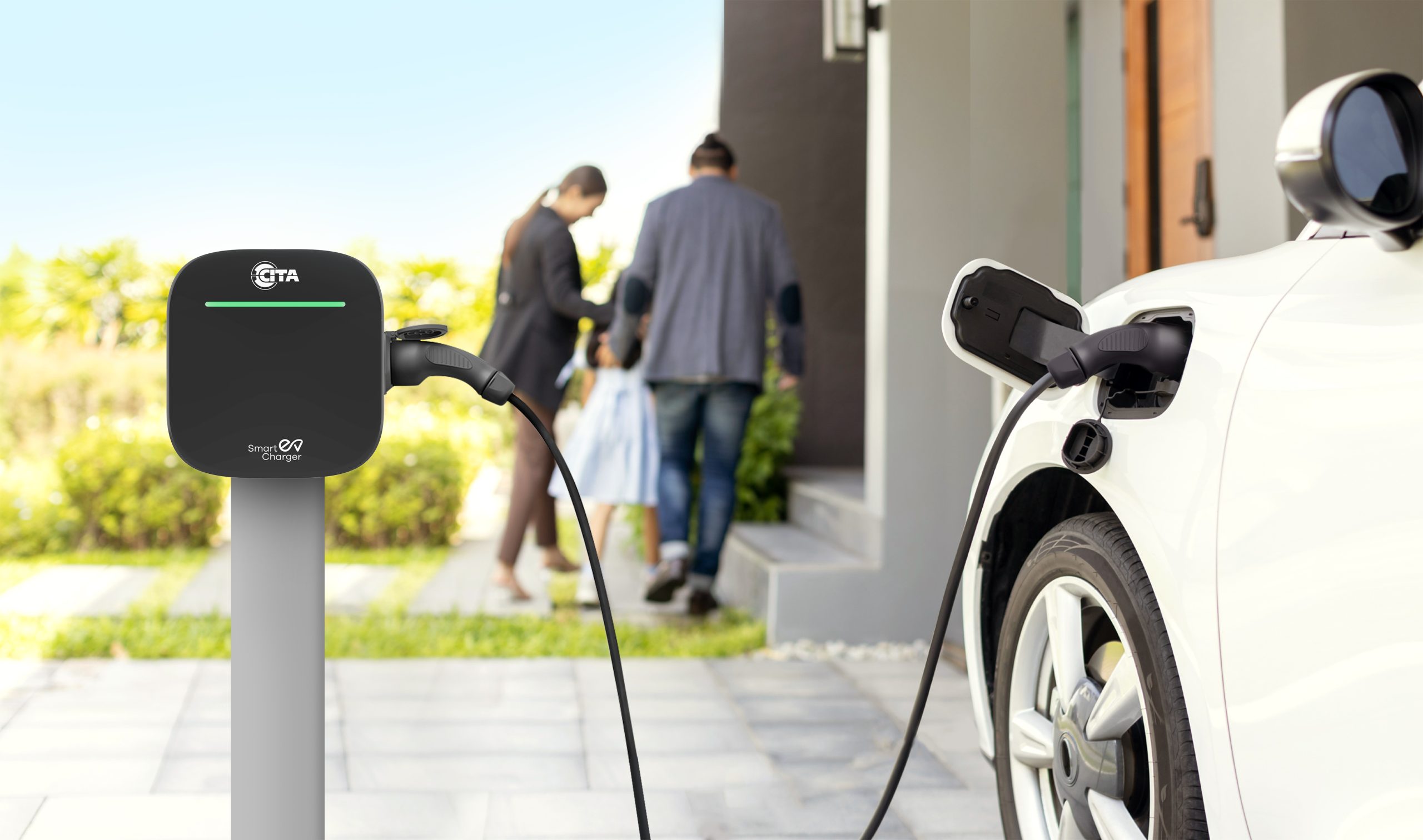
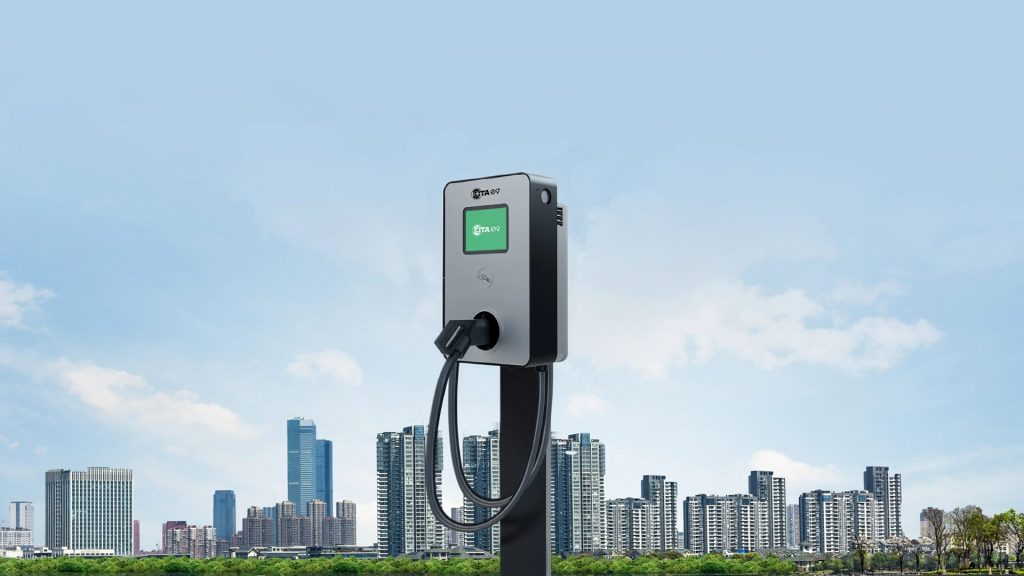
Home EV charging remains the preferred option for many EV owners because it combines convenience with lower operating costs. A dedicated home EV charger allows drivers to charge overnight while taking advantage of residential electricity rates, helping reduce the overall EV Charging Cost in UAE.
Residential electricity tariffs in Dubai typically range from approximately AED 0.23 to AED 0.38 per kWh, depending on consumption levels.
Small EV
Battery Capacity: 40 kWh
Average Monthly Charging Requirement: 120–160 kWh
Estimated Monthly Charging Cost: AED 28–61
Small electric vehicles are typically the most economical to operate. For drivers using around 120–160 kWh per month, home charging costs often remain below AED 60 per month, making them ideal for daily city commuting.
Mid-Size EV
Battery Capacity: 60 kWh
Average Monthly Charging Requirement: 180–250 kWh
Estimated Monthly Charging Cost: AED 41–95
This category includes many popular electric SUVs and family vehicles found on UAE roads today. Despite their larger batteries and longer driving range, monthly charging expenses remain relatively affordable when charging primarily at home.
Premium EV
Battery Capacity: 80–100 kWh
Average Monthly Charging Requirement: 250–400 kWh
Estimated Monthly Charging Cost: AED 58–152
Premium EVs offer extended range, enhanced performance, and larger battery packs. While electricity consumption is naturally higher, charging costs are still considerably lower than the fuel expenses associated with comparable luxury petrol vehicles.
The biggest advantage of home charging is convenience. Instead of making frequent trips to public charging stations, EV owners can simply plug in overnight and wake up to a fully charged vehicle.
For most UAE drivers, home charging remains the most cost-effective and practical way to power an electric vehicle. Studies and market comparisons consistently show that home charging can cost several times less than public DC fast charging.
Public EV Charging Cost in Dubai
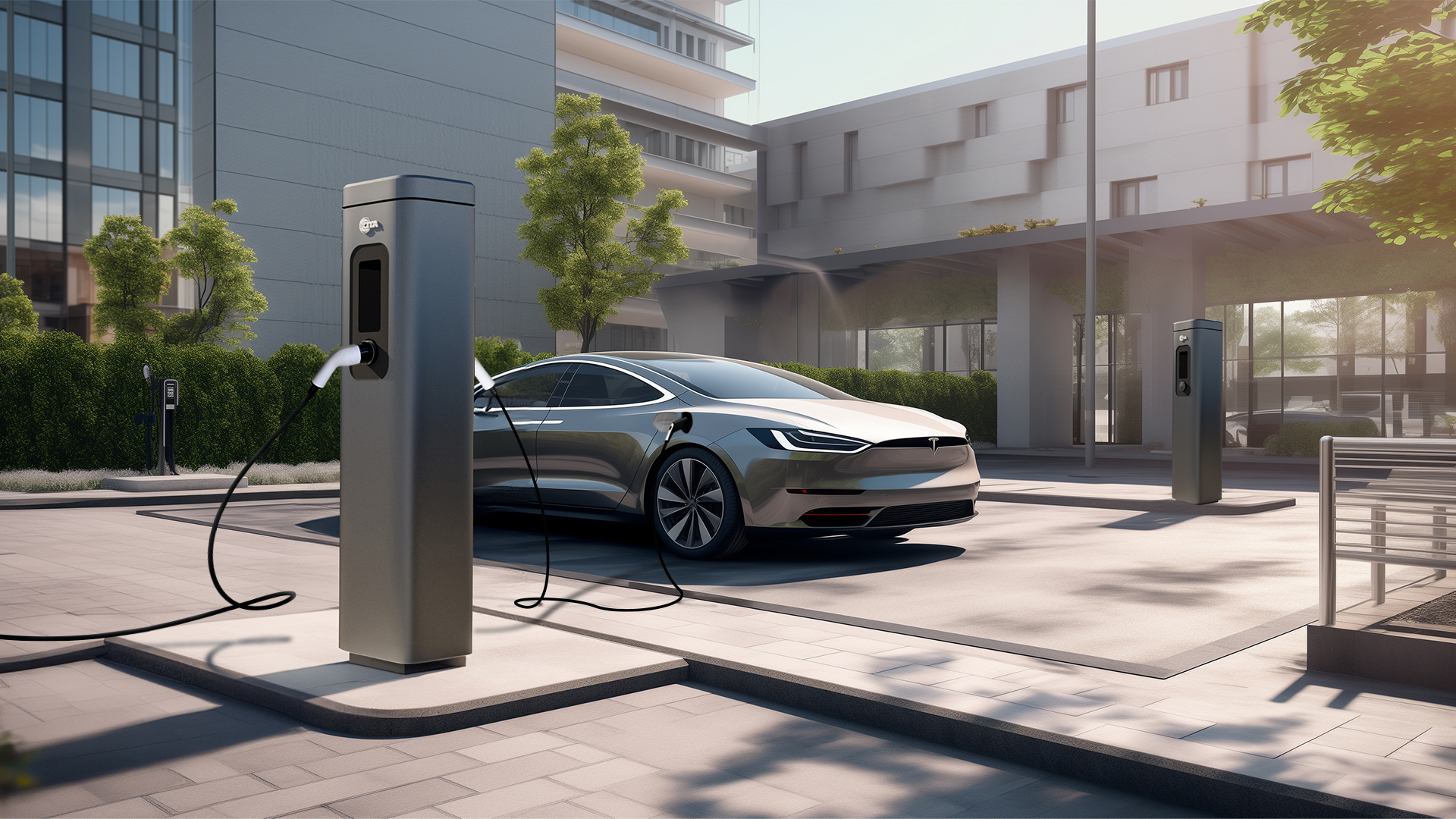
Dubai continues expanding its charging network to support growing EV adoption.
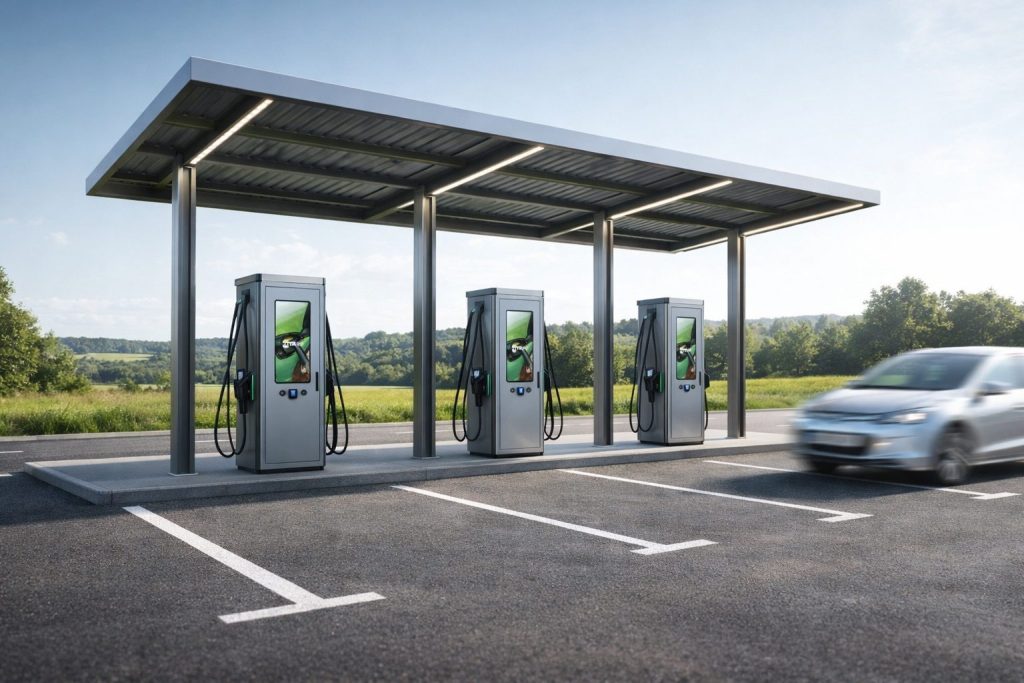
Today, EV drivers can find charging stations at:
- Shopping malls
- Hotels
- Airports
- Business districts
- Residential communities
- Public parking areas
- Highway rest stops
Public charging provides flexibility, particularly for drivers who live in apartments or frequently travel long distances.
However, charging costs can vary between operators based on charger type, charging speed, location, and network management fees.
Public charging is often chosen for convenience rather than purely for cost savings.
AC Charging vs. DC Fast Charging: Which is More Cost-Effective?
Not all charging technologies are designed for the same purpose.
| Charger Type | Typical Power Output | Avg Cost | Charging Speed | Best Application |
|---|---|---|---|---|
| AC Charger | 7kW–22kW | AED 0.23–0.38/kWh (home charging) | Slower | Homes & Workplaces |
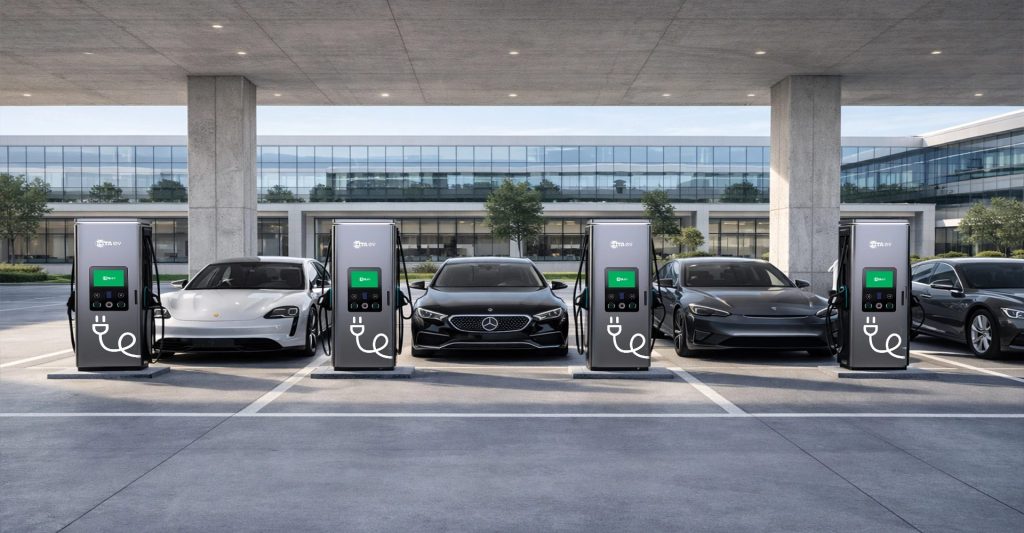
| DC Fast Charger | 30kW–160kW | AED 0.70–1.20/kWh | Fast | Commercial Locations |
| Ultra-Fast DC Charger | 200kW–480kW+ | AED 1.20–1.80+/kWh | Very Fast | Highways & Fleet Hubs |
AC charging is generally the most cost-effective option for daily charging because vehicles often remain parked for extended periods.
DC charging provides significantly faster charging times, making it ideal for drivers who need rapid energy replenishment during travel or commercial operations.
The choice ultimately depends on balancing convenience, time, and charging costs.
EV Charging Cost vs Petrol Cost in UAE
One of the strongest arguments for EV ownership remains lower operating expenses.
While electricity costs can vary, EVs generally require less spending on energy and maintenance compared to traditional internal combustion vehicles.
For drivers covering significant annual mileage, these savings can become substantial over time.
In addition to lower energy expenses, EVs eliminate many routine maintenance requirements associated with petrol-powered vehicles, including oil changes, spark plug replacements, and several engine-related servicing costs.
Power the Future with CITA EV Charger
Understanding the true EV Charging Cost in UAE helps drivers make smarter decisions about vehicle ownership, charging habits, and infrastructure investments. While charging costs vary depending on location, battery size, charging speed, and electricity tariffs, electric vehicles continue to offer significant long-term savings compared to traditional fuel-powered vehicles.
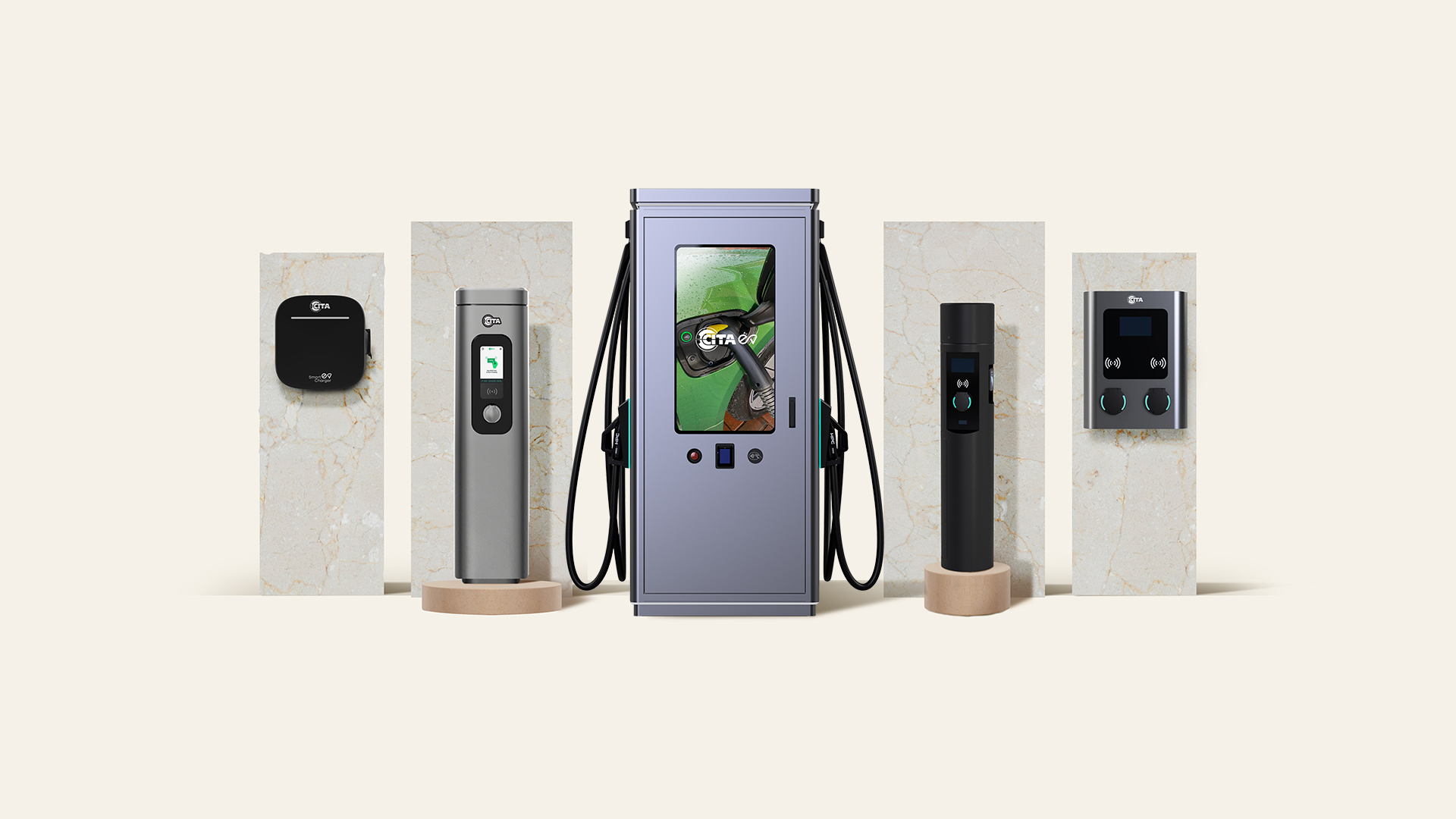
At CITA EV Charger, we provide a complete range of smart AC and DC charging solutions designed for homes, workplaces, commercial properties, fleets, and public charging networks. From 7kW residential chargers to ultra-fast 480kW DC charging systems, our solutions are built to support the UAE’s rapidly growing electric mobility ecosystem.
Contact CITA EV Charger today for a free consultation and discover the right EV charging solution for your needs.