Skip to content







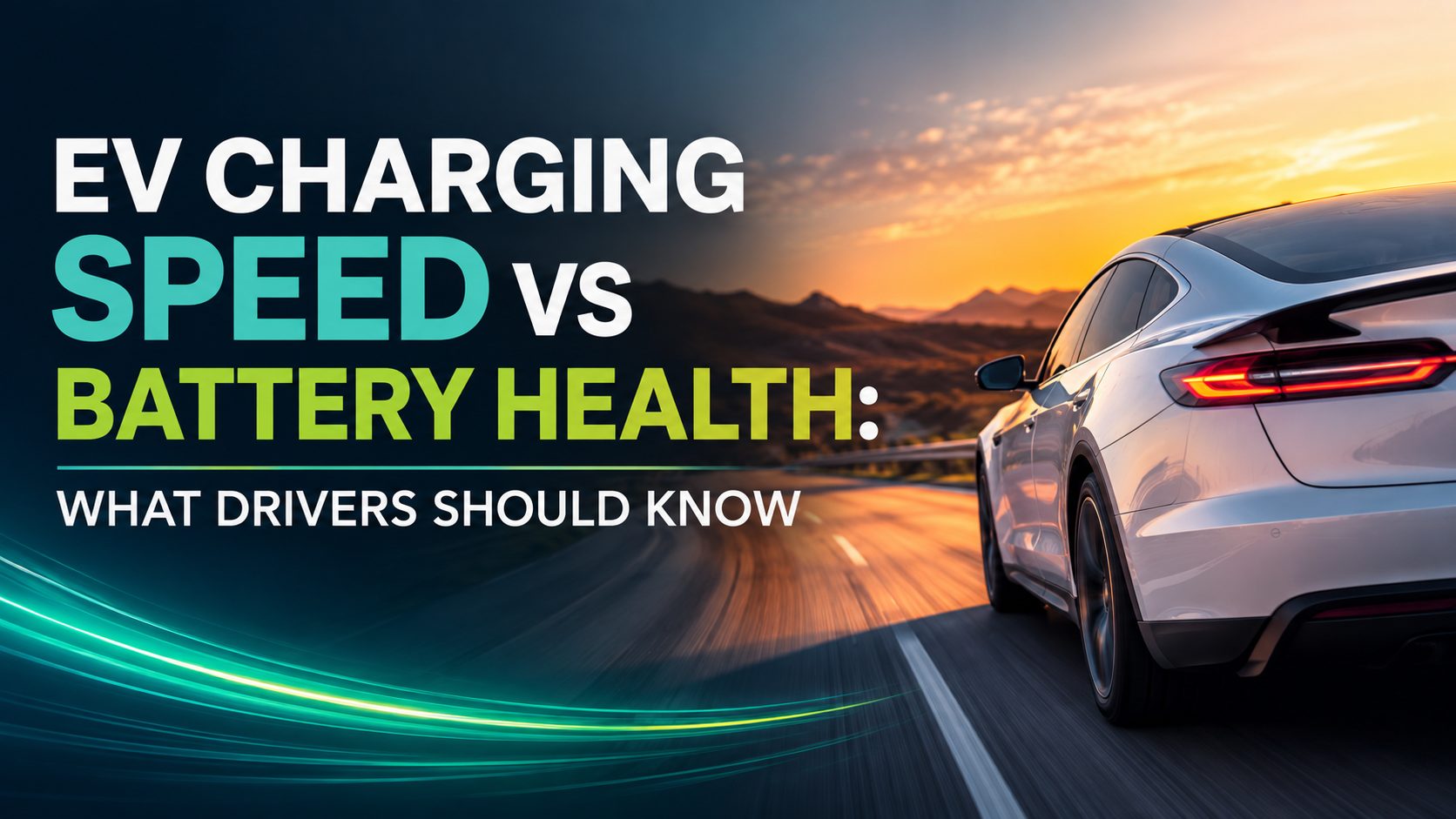
EV Charging is becoming faster, smarter, and more accessible – but many drivers still wonder: does faster charging harm your battery? As electric vehicles continue to rise across the UAE, this question is more relevant than ever.
With initiatives like Dubai’s Green Mobility Strategy and the expansion of Dubai EV charging stations, the region is witnessing rapid growth in electric vehicle charging infrastructure in the UAE. According to recent trends, the UAE is significantly expanding its EV charging infrastructure, with public and fast chargers becoming more widely available across highways, malls, and urban hubs.
But while fast charging improves convenience, understanding its impact on EV battery health is essential for long-term performance.
Understanding EV Charging Speed: AC vs DC Charging
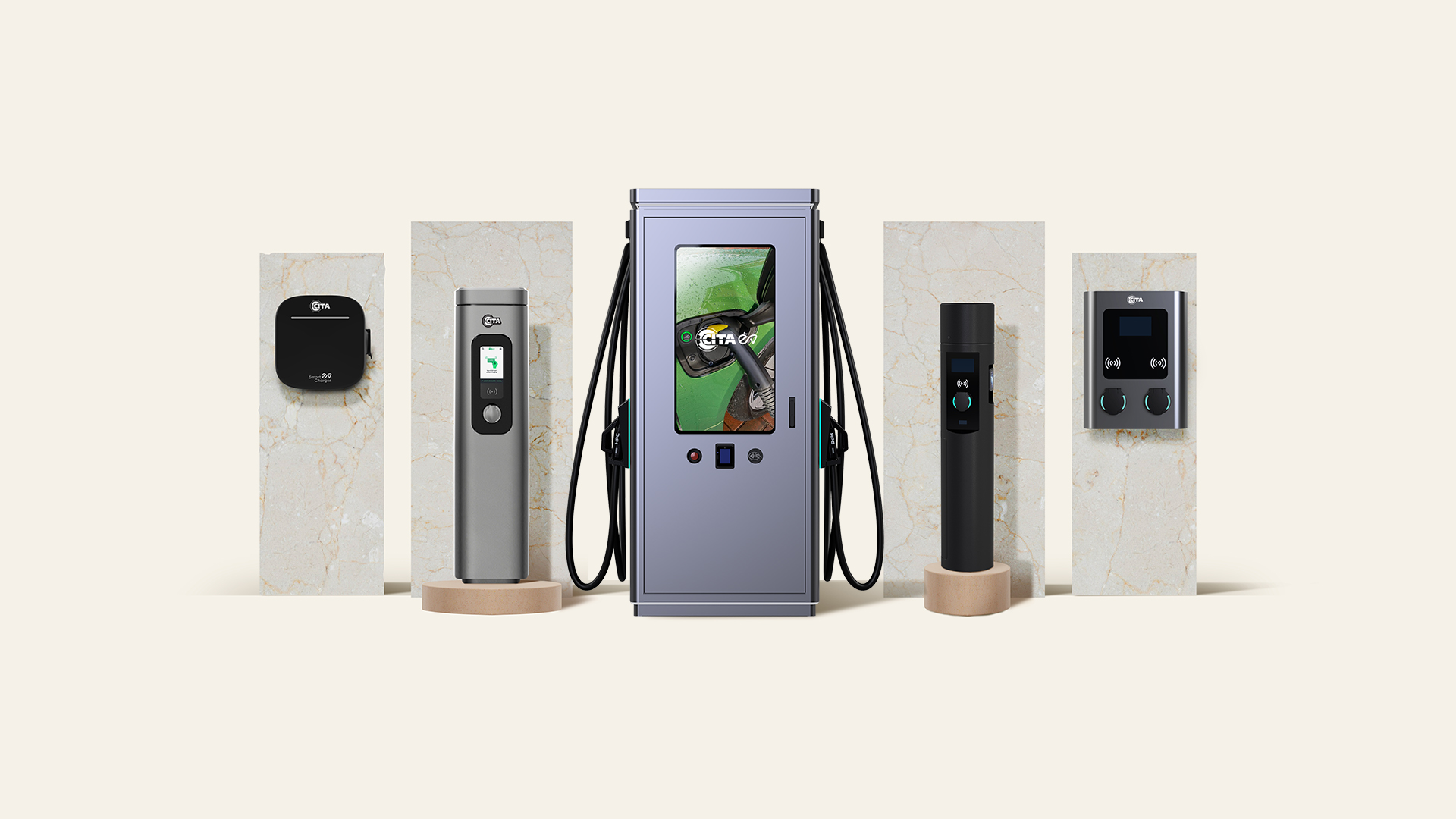
Not all EV Charging is the same. The speed, efficiency, and overall charging experience largely depend on whether you’re using AC or DC power. Understanding this difference is essential not just for convenience, but also for maintaining long-term EV battery health.
AC vs DC Charging EV Explained
C Charging (Slow to Moderate):
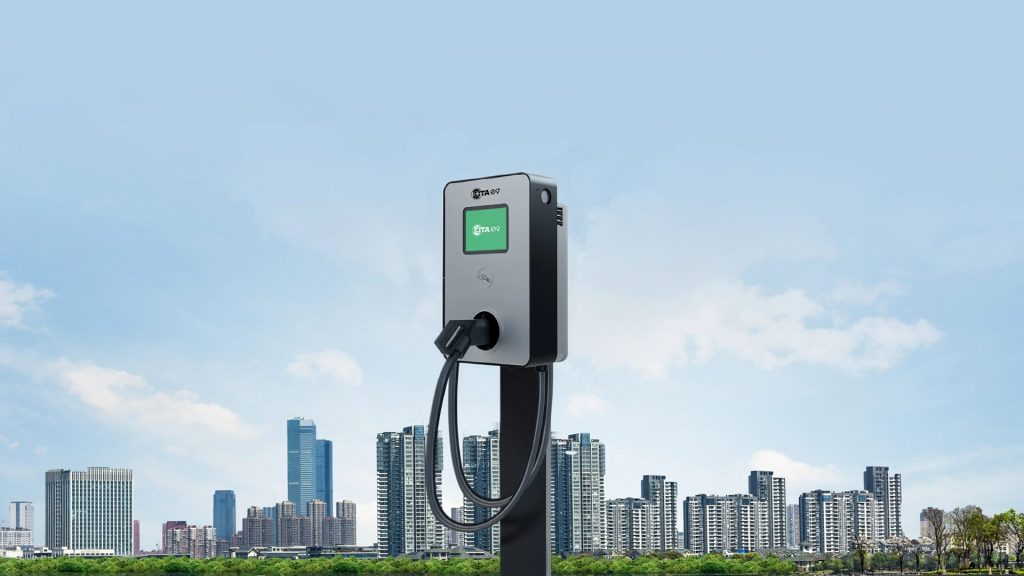
Commonly used in homes, offices, and residential parking spaces, AC chargers (7kW–22kW) deliver power gradually. This slower charging method is ideal for overnight use or daily top-ups, as it generates less heat and supports better EV battery life over time.
DC Fast Charging:
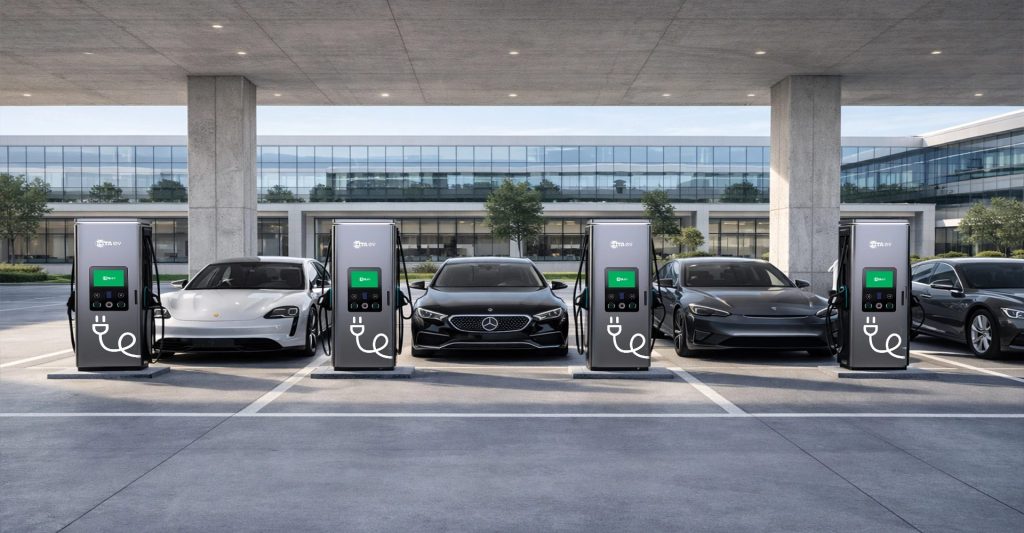
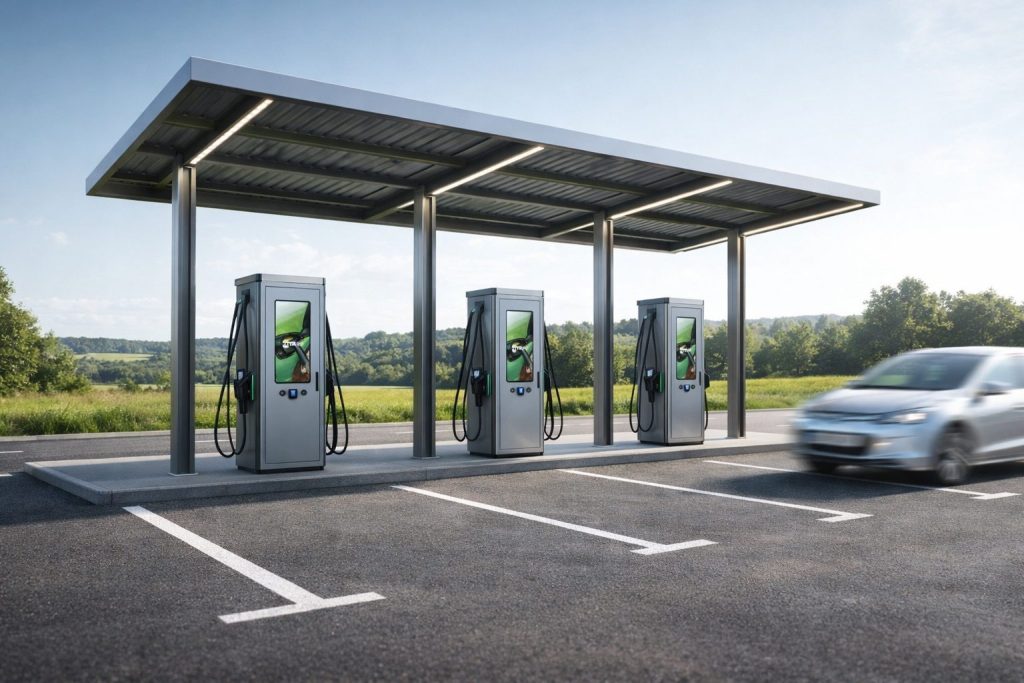
Typically found in public EV charging UAE networks, highways, and commercial locations, DC chargers (30kW–480kW) supply direct power to the battery, significantly reducing charging time. This makes them perfect for quick top-ups and long-distance travel.
While AC vs. DC charging EV differences directly impact charging speed and convenience, they also play a role in battery performance. Using the right mix of both ensures efficient charging while minimizing the risk of long-term EV battery degradation.
How EV Charging Speed Affects EV Battery Health
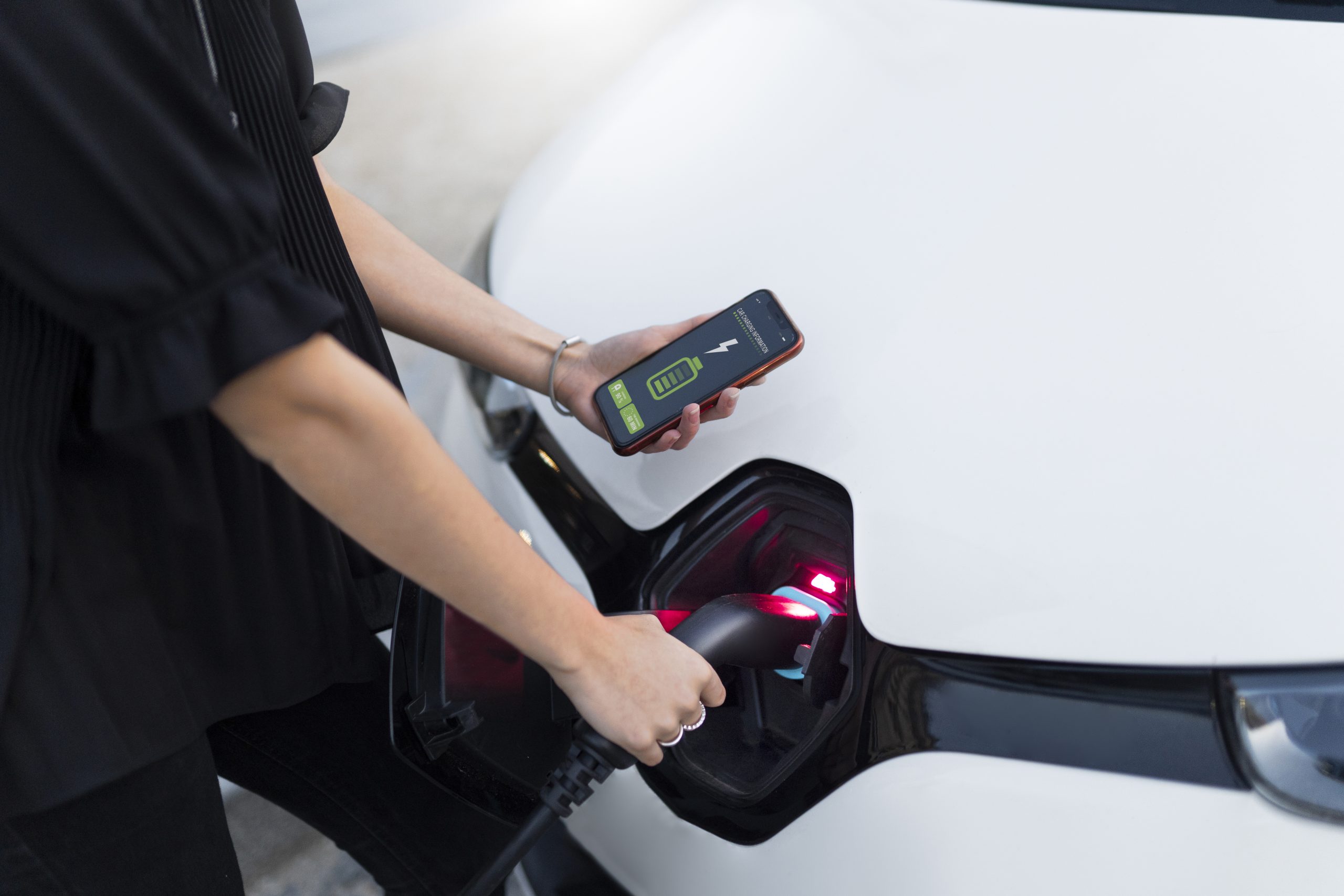
The core concern around EV charging speed is heat generation. Faster charging pushes more energy into the battery in a shorter time, which increases internal temperature and puts additional stress on battery cells. Over time, this can influence overall EV battery health if not managed properly.
DC fast charging impact on battery:
Frequent use of ultra-fast chargers can lead to higher thermal stress, which may accelerate EV battery degradation. While occasional use is perfectly safe, relying on fast charging as a primary method may impact long-term EV battery life.
Slow charging benefits:
Gradual charging, typically through AC chargers, generates less heat and provides a more stable charging cycle. This helps maintain better EV battery health and supports longer battery lifespan over time.
However, modern EVs are equipped with advanced battery management systems (BMS) that actively regulate temperature, voltage, and charging flow. These systems play a crucial role in minimizing risks and ensuring that both fast and slow EV charging methods remain safe and efficient for everyday use.
Fast Charging vs. Slow Charging EVs: What’s the Difference?
Here’s a simple comparison to understand how both charging methods affect performance:
| Charging Type | Speed | Impact on Battery | Best Use Case |
|---|---|---|---|
| AC Charging | Slow to Moderate | Minimal stress, better for longevity | Home, office, overnight charging |
| DC Fast Charging | Fast to Ultra-Fast | Slightly higher stress if used frequently | Highways, emergencies, quick top-ups |
The key takeaway: fast charging vs slow charging EV is not about choosing one over the other – it’s about using both strategically.
What Causes EV Battery Degradation?
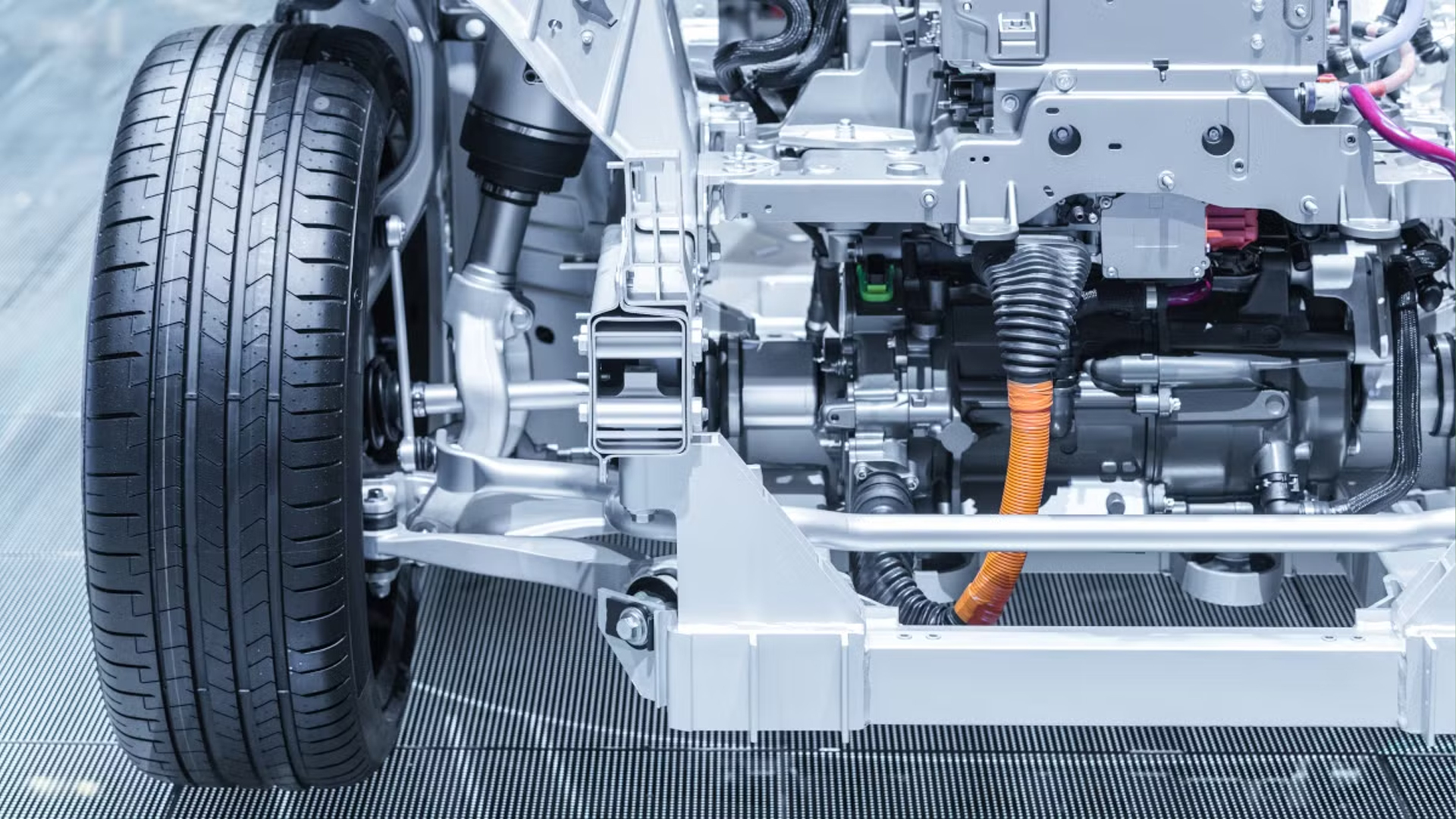
Battery degradation is a natural process over time, but certain habits can speed it up and impact overall EV battery health. Understanding these factors helps improve EV charging habits and extend battery performance.
- Frequent reliance on DC fast charging
While convenient, excessive fast charging generates more heat, which can gradually affect EV battery life if used too often.
- Charging to 100% regularly
Keeping the battery at full charge for extended periods can stress battery cells and accelerate EV battery degradation.
- Letting the battery drop to very low levels
Deep discharges (near 0%) put additional strain on the battery and reduce its long-term efficiency.
- Exposure to extreme heat (especially in UAE climates)
High temperatures during charging or parking can impact battery chemistry and overall performance.
By being mindful of these factors, drivers can adopt smarter EV charging practices and maintain better battery health over time.
EV Charging Best Practices to Protect Battery Health
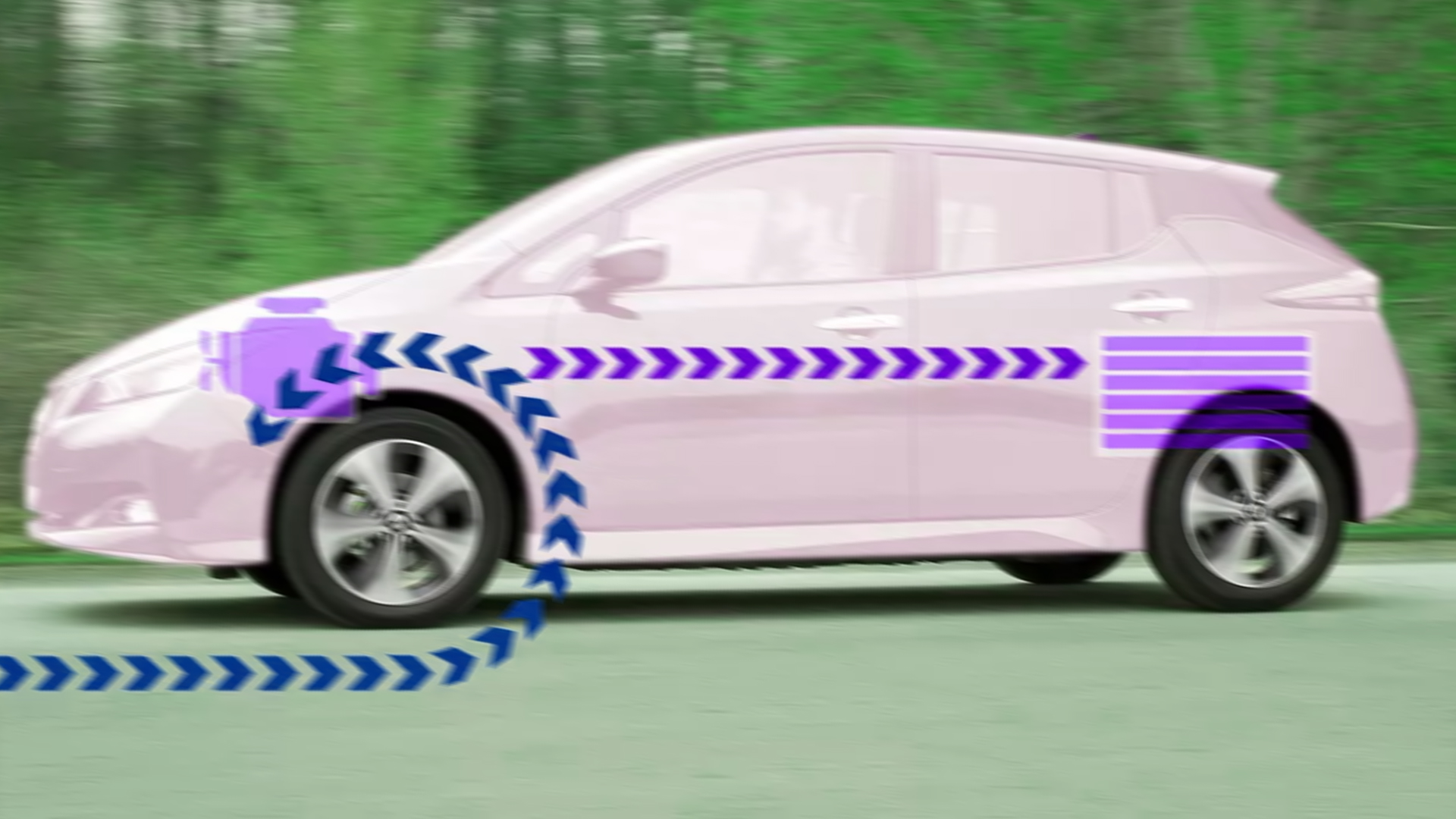
To maintain optimal EV battery health, it’s important to follow smart and consistent charging habits. The way you charge your vehicle directly impacts long-term performance, efficiency, and overall EV battery life. Here are some practical and effective tips every EV driver should follow:
1) Avoid Overusing Fast Chargers
While DC fast chargers are highly convenient, especially during long trips or urgent situations, relying on them too frequently can increase heat buildup inside the battery. This can gradually contribute to EV battery degradation over time.
For daily use, it’s best to depend on AC charging solutions, which provide a slower and more controlled charge – helping preserve battery health and ensuring more stable long-term performance.
2) Maintain Optimal Charge Levels
Keeping your battery within the 20% to 80% range is widely recommended for extending EV battery life. Regularly charging to 100% or letting the battery drop too low can put unnecessary stress on the cells.
By maintaining balanced charge levels, you not only protect EV battery health but also improve charging efficiency and consistency over time.
3) Charge During Cooler Hours
Temperature plays a crucial role in battery performance, especially in regions like the UAE where heat levels are high. Charging your EV during cooler hours – such as early mornings, evenings, or overnight – helps reduce thermal stress on the battery.
Lower temperatures during charging can significantly improve efficiency and reduce the risk of long-term EV battery degradation.
4) Use Smart Charging Features
Modern EVs and smart EV charging solutions come equipped with advanced features like scheduled charging, load balancing, and real-time monitoring. These tools allow you to control when and how your vehicle charges, helping avoid peak load times and excessive heat generation.
Smart charging not only improves convenience but also supports better EV charging habits and protects overall battery health.
5) Monitor Battery Health Regularly
Most electric vehicles provide detailed insights into battery performance, including charge cycles, temperature, and overall condition. Regularly monitoring these metrics helps you identify early signs of EV battery degradation and adjust your charging behavior accordingly.
Staying informed allows you to take proactive steps and ensure your EV continues to perform efficiently over the long term.
Choose the Smart EV Charger for Better Battery Performance
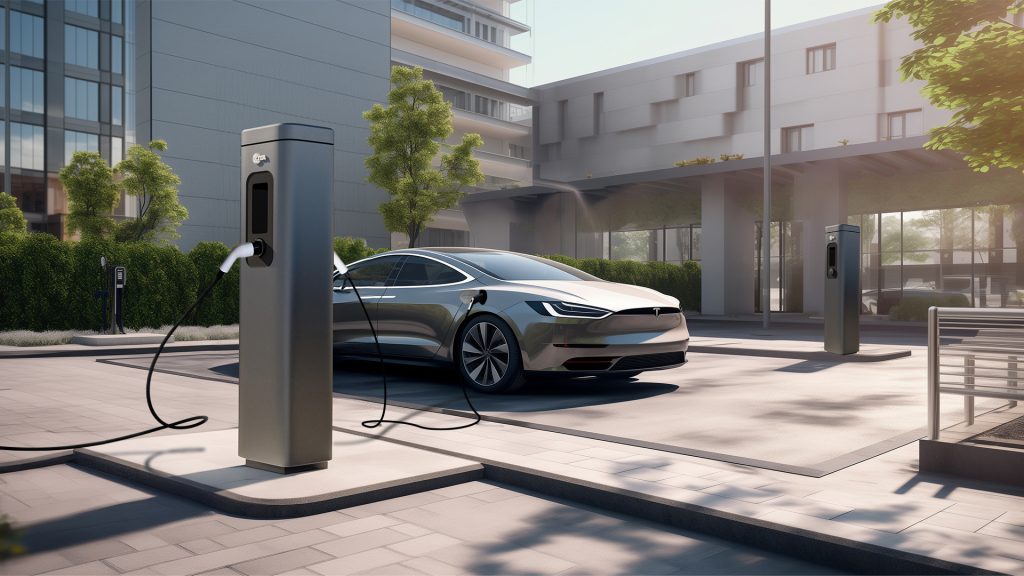
As EV adoption continues to rise, understanding the relationship between EV charging speed and EV battery health becomes essential. Charging faster is convenient – but charging smarter is what ensures long-term performance.
With the right mix of EV charging best practices, technology, and awareness, drivers can maximize efficiency while minimizing EV battery degradation.
CITA EV Charger supports this balance with advanced smart EV charging solutions – from reliable AC chargers for daily use to high-performance DC fast chargers built for real-world conditions.
Looking to upgrade your EV charging setup?
Get a free consultation today and discover scalable, future-ready charging solutions tailored to your needs.