Skip to content







AC vs DC EV Charging is one of the most common questions people ask when exploring electric vehicles and charging infrastructure. As EV adoption grows worldwide, many drivers, businesses, and property developers want to understand which charging type is right for them.
According to global EV reports, the number of electric vehicles on the road is expected to exceed 240 million by 2030, making reliable ev charging solutions more important than ever. From residential garages to highway charging hubs, electric vehicle chargers play a critical role in supporting this growing ecosystem.
However, not all chargers work the same way. Some charge vehicles slowly overnight, while others can recharge a battery in minutes. The difference largely comes down to whether the charger delivers Alternating Current (AC) or Direct Current (DC) power.
Key Highlights
- Understand the core difference between AC vs DC EV Charging.
- Learn how AC and DC charging systems operate.
- Compare charging speeds, power levels, and infrastructure requirements.
- Discover the best use cases for each charging type.
- Explore installation costs and infrastructure considerations.
Understanding How EV Charging Works
Before comparing AC and DC charging, it’s helpful to understand how EV batteries store energy.
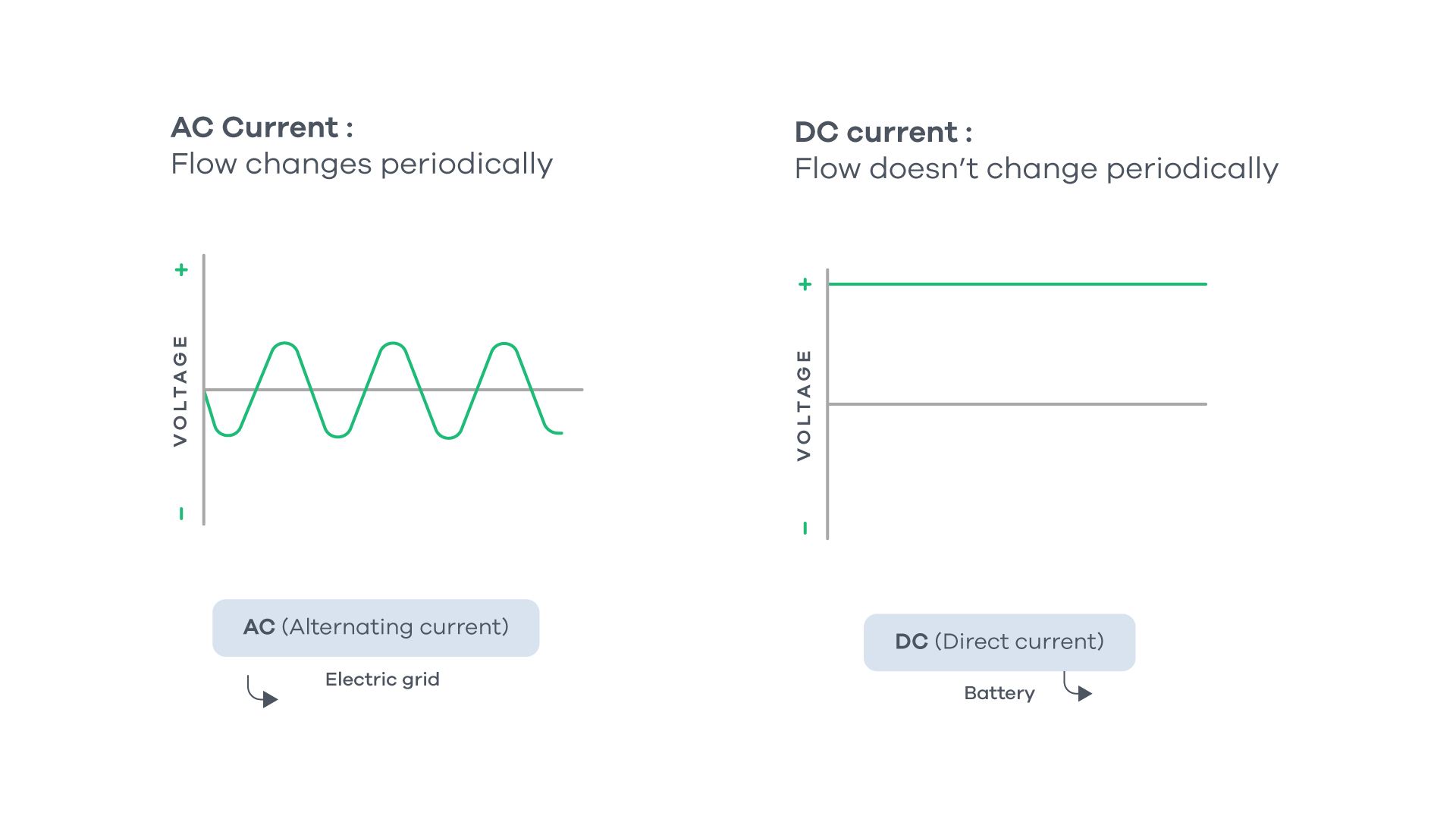
Electric vehicle batteries store electricity as direct current (DC). However, the electricity supplied by most power grids is alternating current (AC). This means that EV charging always involves a conversion process.
The main difference between AC and DC charging lies in where the conversion from AC to DC takes place.
- With AC charging, the vehicle’s onboard charger converts AC power from the grid into DC power for the battery.
- With DC charging, the conversion happens inside the charging station itself before electricity reaches the vehicle.
This difference affects charging speed, infrastructure requirements, and use cases.
What is AC EV Charging?
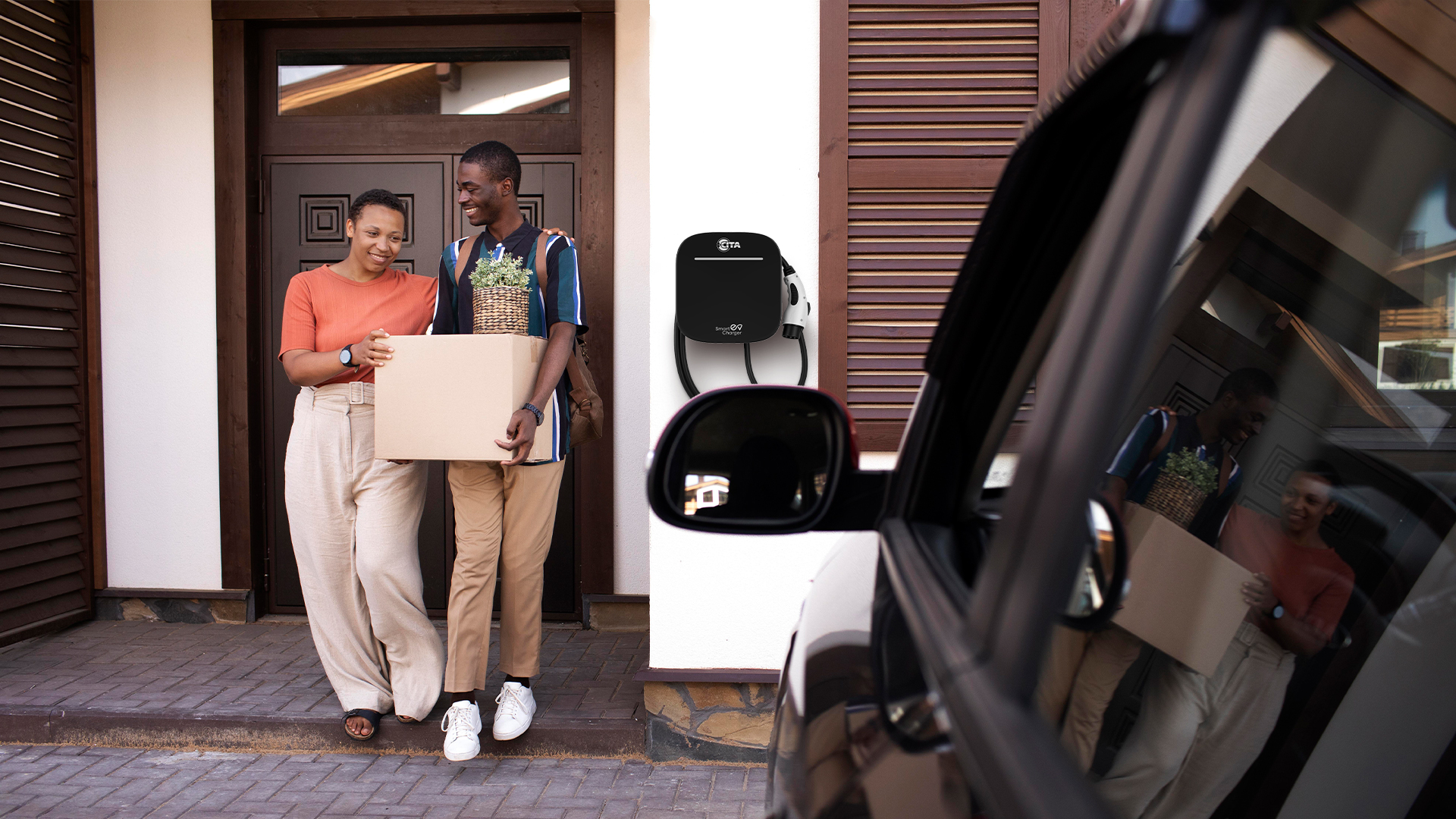
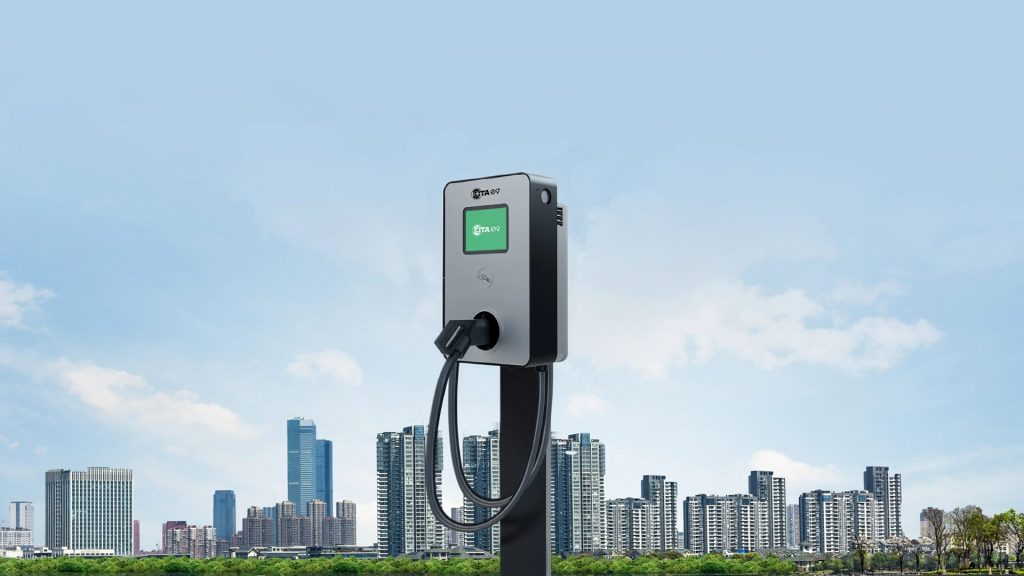
AC charging is the most common type of EV charging used in homes, workplaces, and public parking areas. An AC EV charger supplies alternating current to the vehicle, where the onboard charger converts it into DC before storing it in the battery.
AC charging is generally slower than DC charging because the conversion happens inside the vehicle, and the onboard charger limits the charging speed.
Most residential and workplace EV chargers fall into the category of Level 2 charging, which provides significantly faster charging than standard household sockets.
Common Features of AC Charging
- Suitable for homes and offices
- Lower installation costs
- Ideal for overnight charging
- Uses the vehicle’s onboard charger for conversion
- Widely available in residential and commercial locations
Many property owners install a Level 2 EV charger to provide convenient charging for employees, residents, or customers.
Typical Power Levels for AC Charging
| Charger Type | Typical Power Output | Charging Speed |
|---|---|---|
| Home AC Charger | 7 kW - 22 kW | Suitable for residential overnight charging |
| Level 2 EV Charger | 22 kW | Moderate charging for homes, offices, and parking areas |
| Dual AC Chargers | 2 × 22 kW (44 kW simultaneous) | Supports simultaneous charging for two vehicles |
What is DC EV Charging?
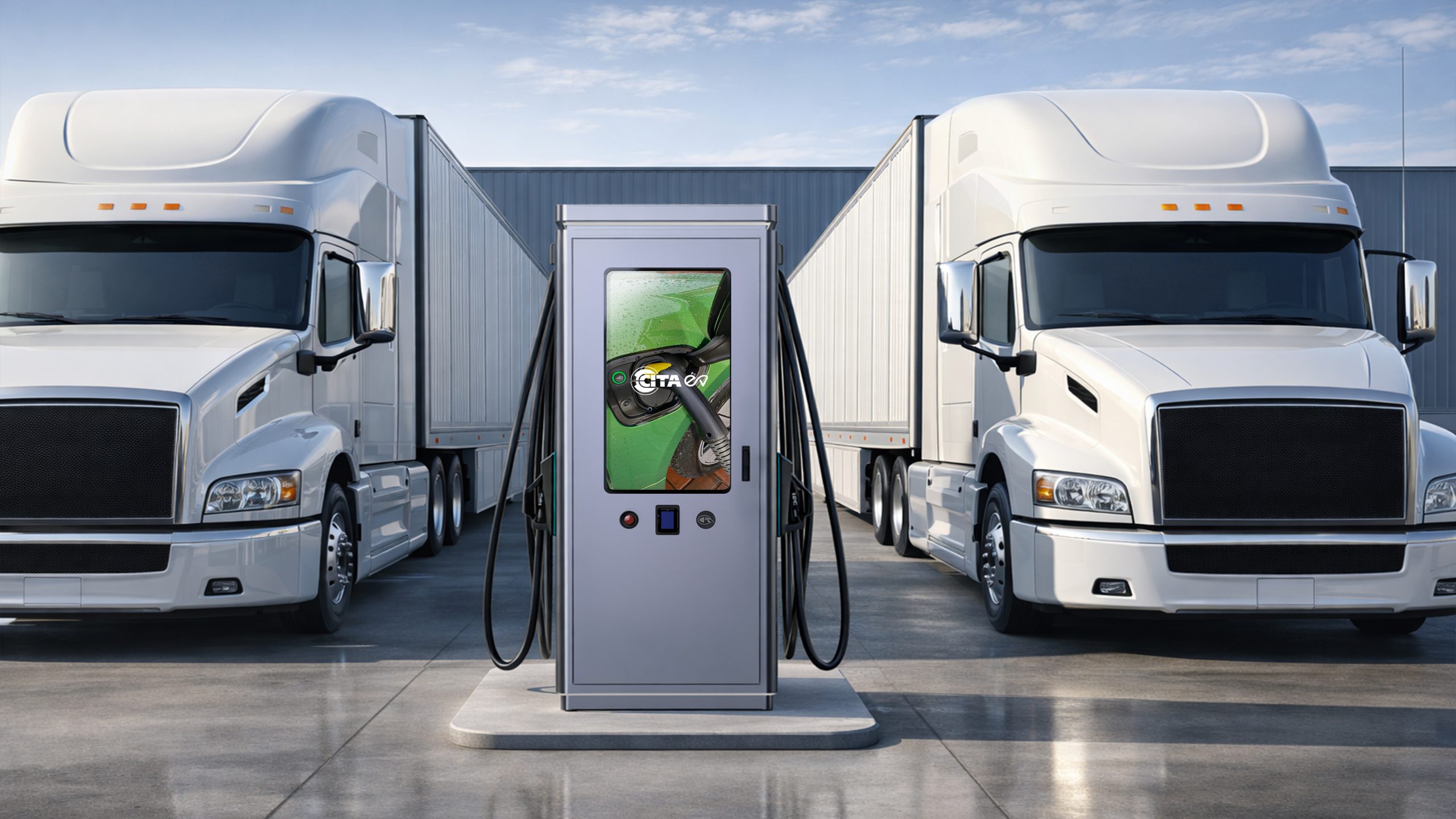
A DC EV charger delivers direct current directly to the vehicle battery, bypassing the onboard charger. Because the conversion from AC to DC happens inside the charging station itself, charging speeds are much faster.
This type of charging is commonly used in:
- Highway charging stations
- Commercial charging hubs
- Fleet depots
- Public fast charging networks
DC chargers are often referred to as Level 3 charging, which provides rapid charging capabilities for drivers who need to recharge quickly during travel.
Typical Power Levels for DC Charging
| Charger Type | Power Range | Typical Use Case |
|---|---|---|
| Compact DC Chargers | 30 kW | Small commercial sites |
| Fast DC Chargers | 60 kW – 150 kW | Public charging hubs |
| High-Power Chargers | 180 kW – 480 kW | Highway and ultra-fast stations |
Key Differences Between AC vs DC EV Charging
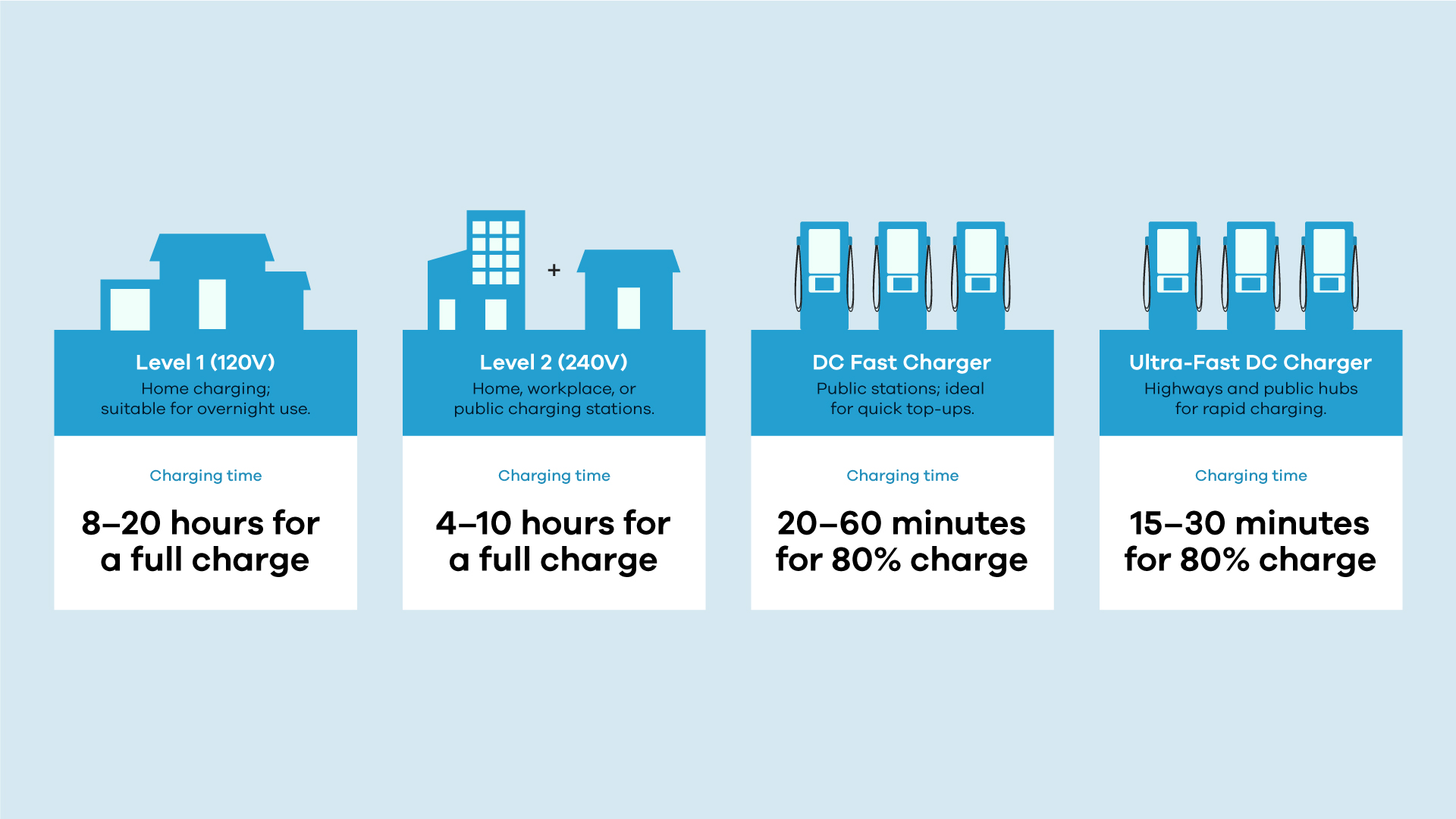
Understanding the technical differences between the two charging types helps determine which solution is appropriate for different environments.
| Feature | AC Charging | DC Charging |
|---|---|---|
| Power Type | Alternating Current | Direct Current |
| Conversion Location | Inside the vehicle | Inside the charger |
| Charging Speed | Slower | Much faster |
| Typical Use | Home, workplace, hotels | Highways, commercial hubs |
| Infrastructure Cost | Lower | Higher |
| Charger Category | Level 2 | Level 3 |
In simple terms, AC charging focuses on convenience and affordability, while DC charging focuses on speed and high-demand environments.
When Should You Choose AC Charging?
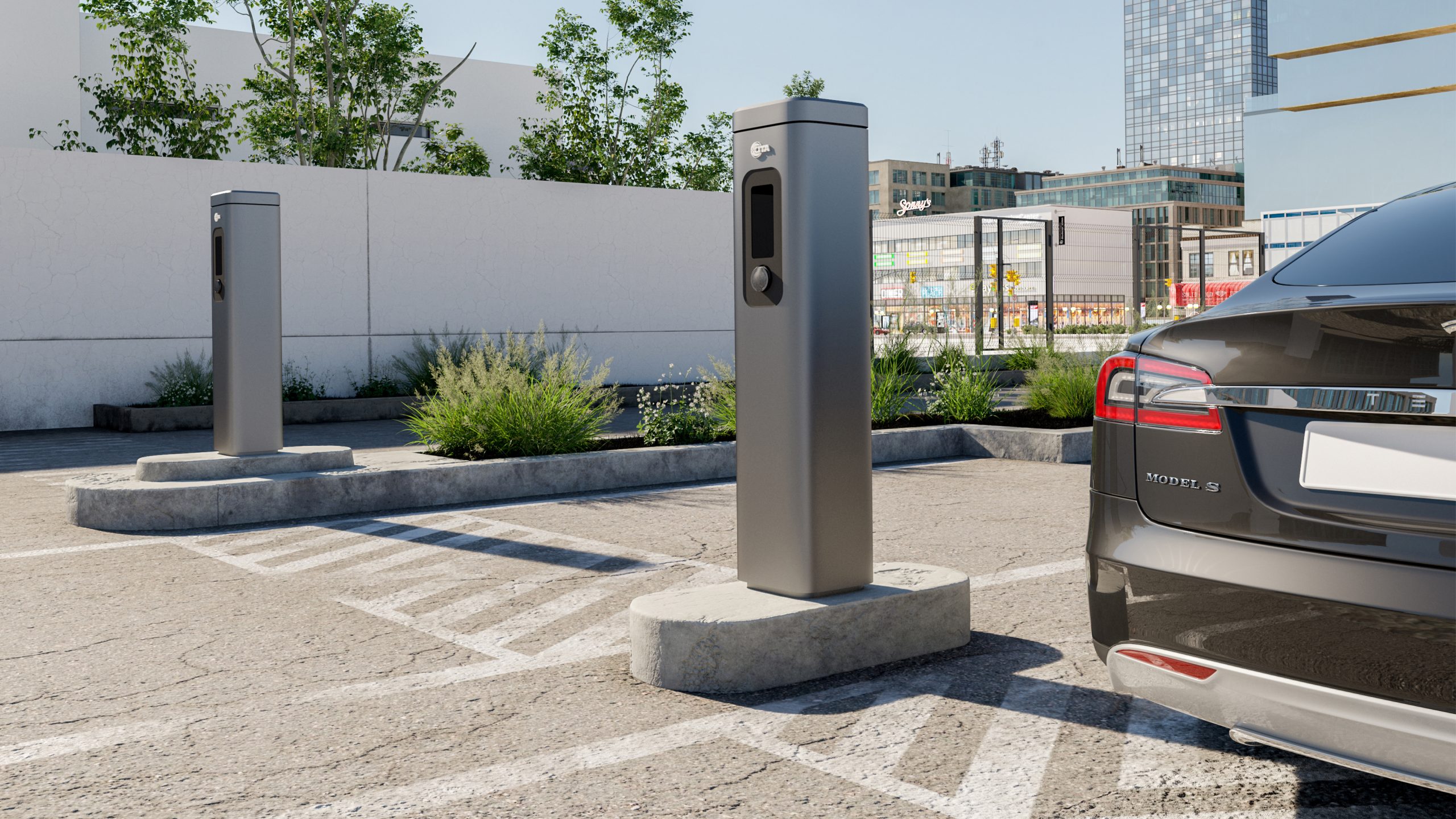
AC charging is the ideal option when vehicles remain parked for longer periods.
Common scenarios include:
Residential EV Charging: Homeowners often install an AC EV charger in their garage or parking space to charge overnight. A level 2 ev charger can fully charge many EVs within 6–8 hours.
Workplace EV Charging: Companies increasingly install electric vehicle chargers in office parking areas to support employees driving electric vehicles.
Hotels and Apartments: Hospitality locations frequently offer AC charging to attract EV-driving guests.
These locations benefit from reliable ev charging solutions without requiring extremely high electrical capacity.
When Should You Choose DC Charging?
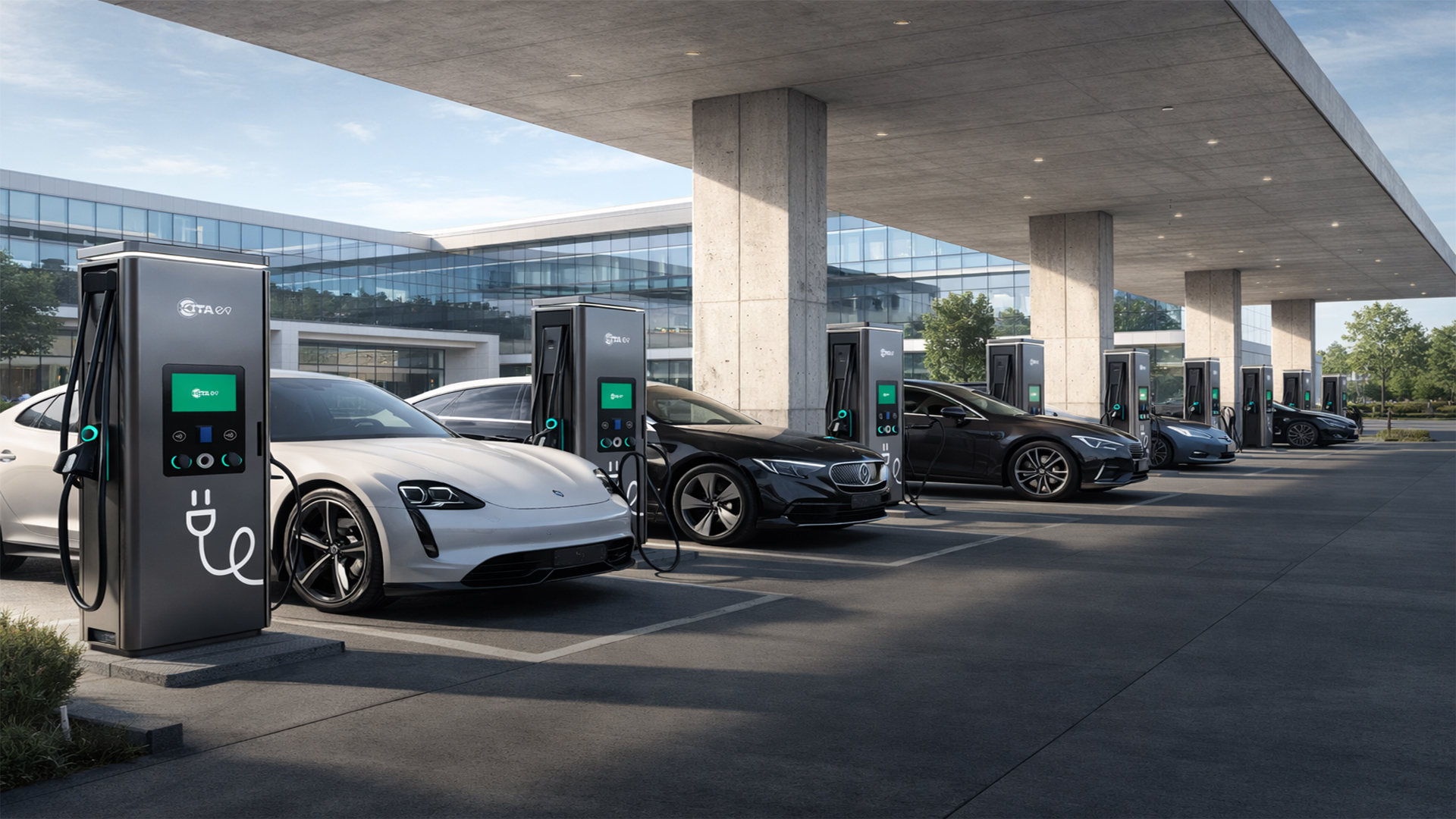
DC charging is best suited for locations where drivers require rapid charging.
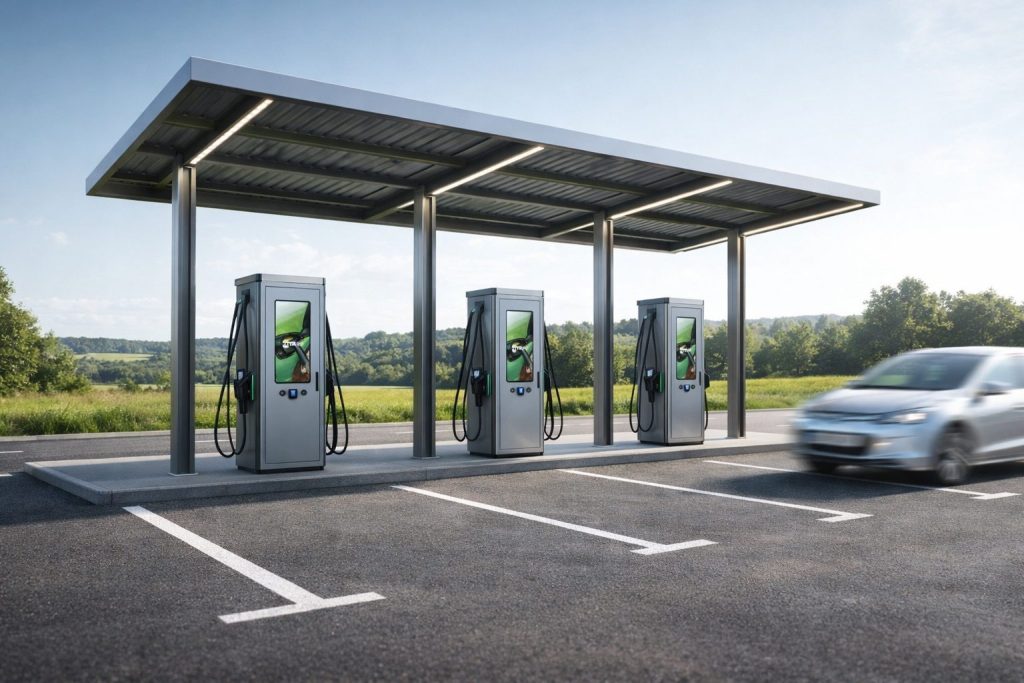
Highway Charging Stations: Long-distance travellers rely on level 3 EV charger infrastructure to quickly recharge their vehicles.
Fleet Operations: Logistics companies and delivery fleets use DC EV charger systems to minimize downtime and keep vehicles on the road.
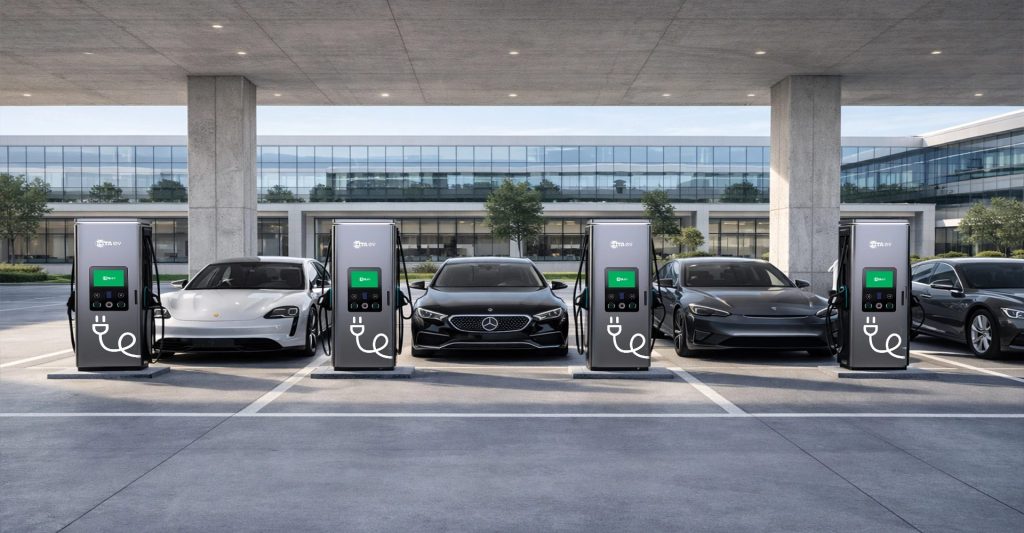
Public Charging Hubs: Shopping malls, fuel stations, and urban charging hubs often install DC fast chargers to serve large numbers of drivers.
In these environments, high-power electric car charger systems are essential for providing quick turnaround times.
Infrastructure and Cost Considerations
The decision between AC and DC charging also depends on installation requirements and operational costs.
AC Charging Installation
AC charging systems are generally easier and cheaper to install because they require less electrical infrastructure. Many buildings can integrate a level 2 EV charger without major electrical upgrades.
DC Charging Installation
DC fast chargers require higher power supply, grid upgrades, and advanced cooling systems. As a result, installation costs are higher.
However, DC charging stations can generate higher revenue due to faster charging and greater driver demand.
Businesses often work with an experienced ev charger manufacturer to determine the right mix of charging technologies.
Making the Right EV Charging Choice
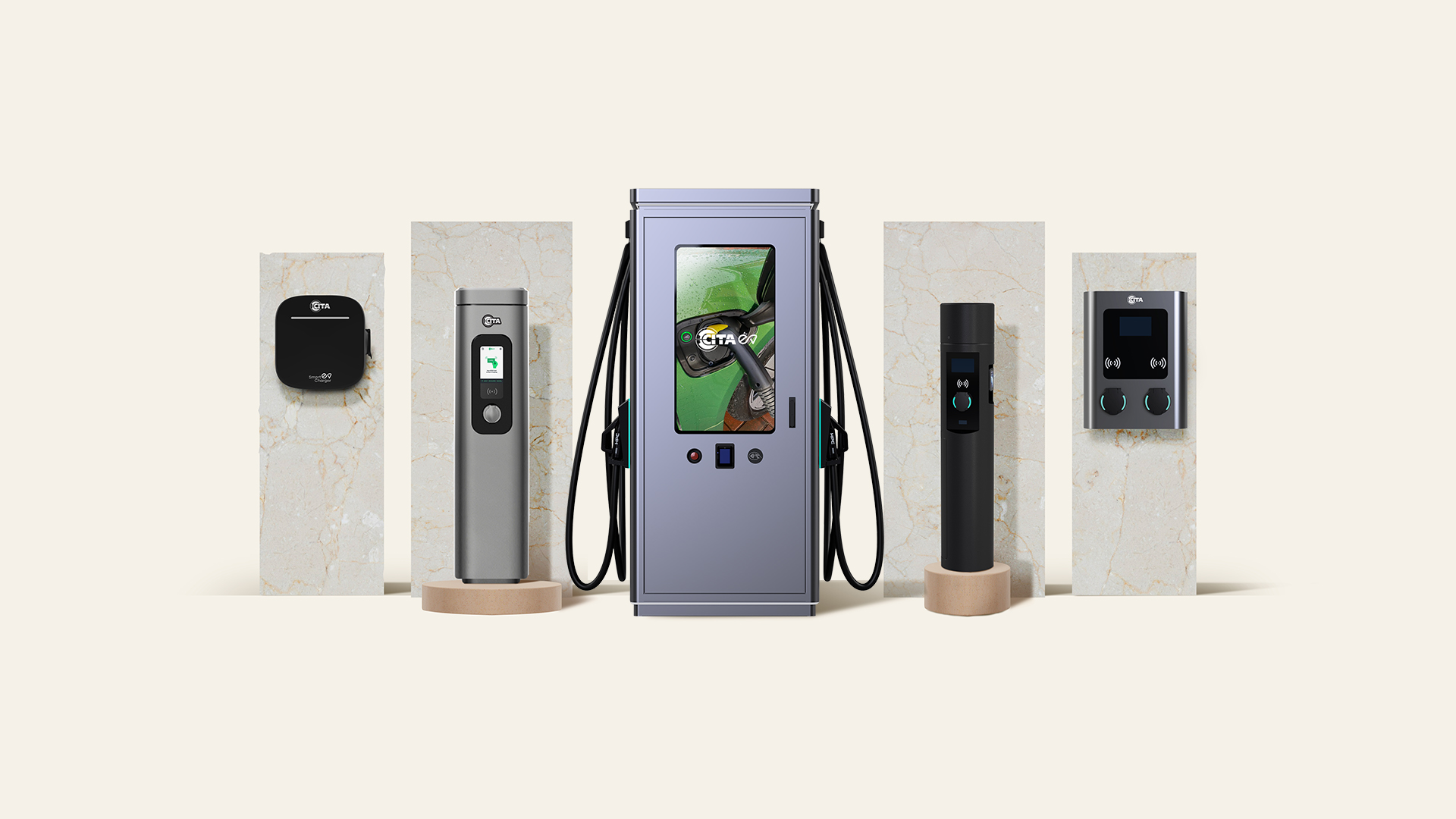
Understanding AC vs DC EV Charging helps drivers, businesses, and property developers choose the right EV infrastructure. AC charging offers convenient and cost-effective solutions for homes and workplaces, while DC charging provides rapid power for highways, fleets, and public charging hubs.
As electric mobility grows, selecting reliable electric vehicle chargers becomes increasingly important. CITA EV Charger, a trusted ev charger manufacturer, delivers advanced ev charging solutions ranging from level 2 ev charger systems to powerful fast-charging stations.
Planning to install an electric car charger?
Contact CITA EV Charger for expert guidance and certified EV charging solutions.