Skip to content







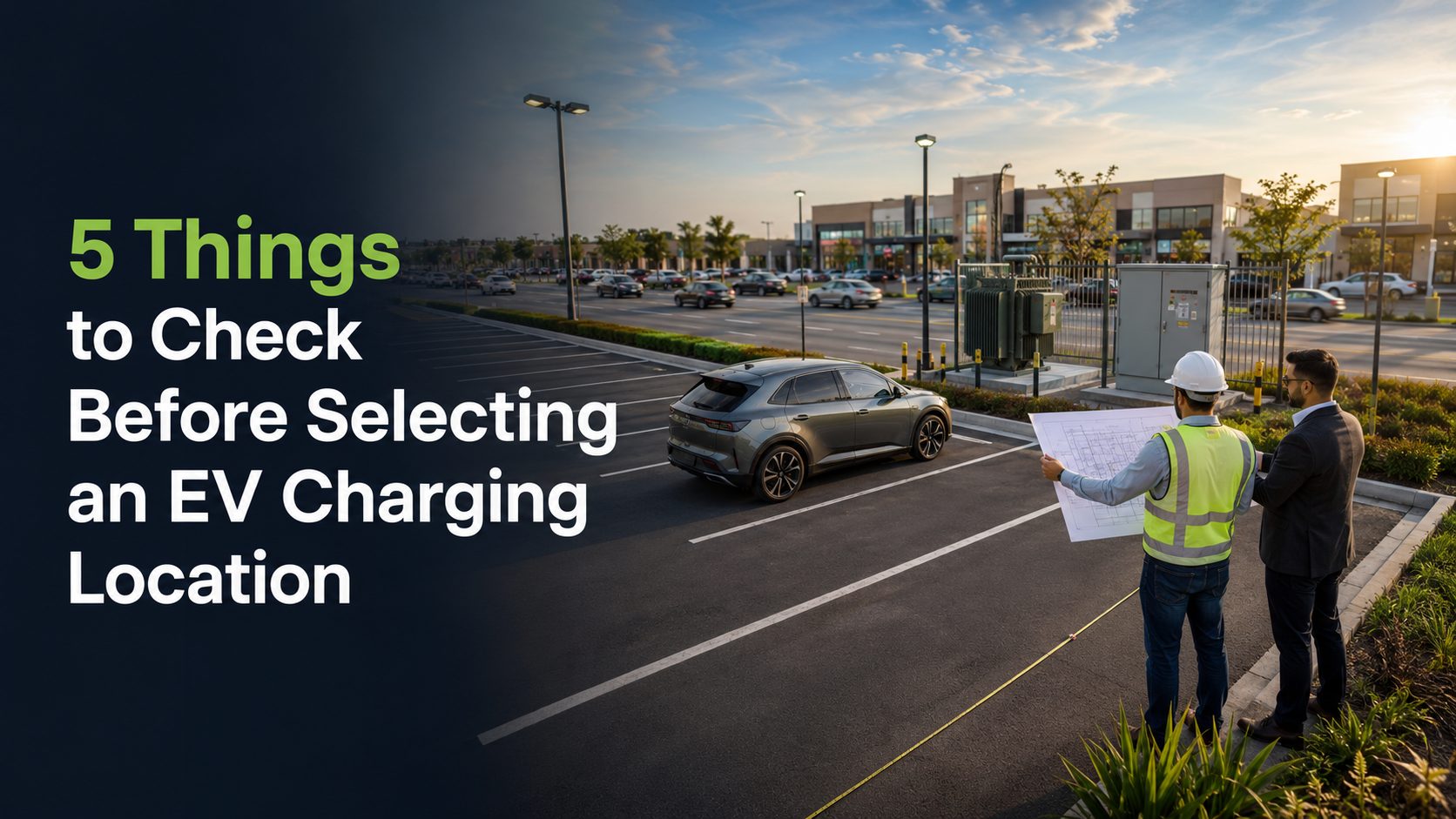
As Selecting an EV Charging Location becomes one of the most important decisions in any EV charging project, businesses need to look beyond simply finding an empty parking space. The UAE is rapidly expanding its charging infrastructure, with Dubai now hosting more than 1,270 public charging points as EV adoption continues to accelerate across the country. As governments and private businesses invest heavily in electric mobility, choosing the right location can significantly influence charger utilisation, customer satisfaction, and long-term return on investment.
Whether you’re planning a public charging hub, installing chargers for employees, or developing a commercial charging network, the location you choose directly impacts operational efficiency and profitability. Factors such as vehicle traffic, electrical capacity, accessibility, surrounding amenities, and future scalability all play a critical role in determining the success of your investment.
A well-planned site not only attracts more EV drivers but also reduces installation challenges, lowers operating costs, and creates opportunities for future expansion.
What Should You Evaluate Before Choosing an EV Charging Site?
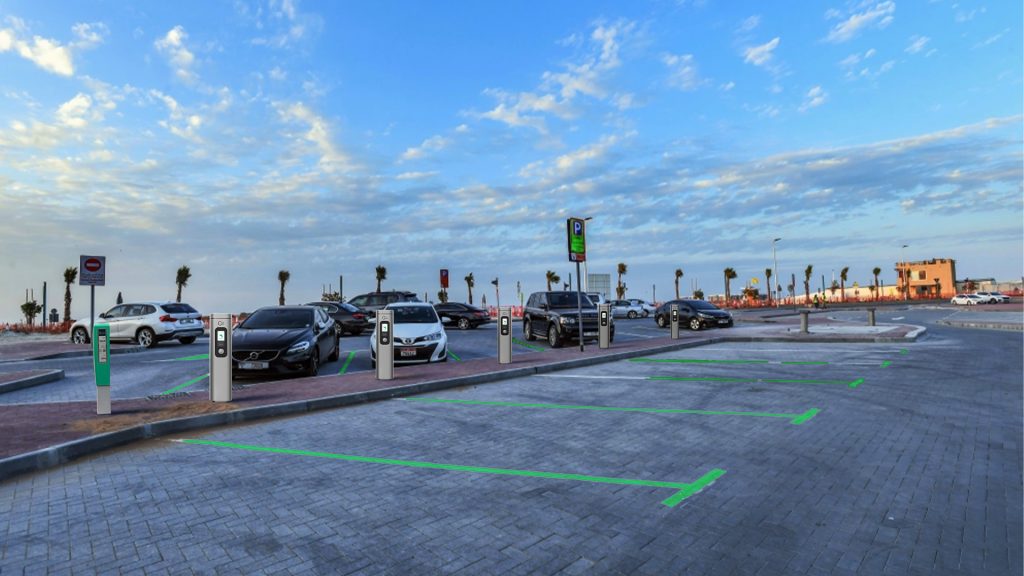
Selecting an EV Charging Location requires much more than identifying available land. It involves evaluating technical, commercial, and operational factors that determine the long-term success of your charging investment.
A proper EV Charging Site Assessment helps determine whether the site can support current charging requirements while remaining adaptable for future EV demand.
Before moving ahead with installation, consider these five essential factors that can make the difference between a successful charging location and an underutilised investment.
1) Accessibility and Vehicle Traffic
The first consideration is whether drivers can easily access your charging station. Even the most advanced charger will struggle to generate consistent usage if it is located in a difficult-to-reach area.
Look for locations that experience regular vehicle movement throughout the day, such as shopping centres, office complexes, hotels, hospitals, business parks, petrol stations, fleet depots, or major highways. Drivers naturally prefer charging points that fit conveniently into their daily journeys.
The ideal EV Charging Station Location should provide:
- Easy entrance and exit
- Clear directional signage
- Safe parking and sufficient turning space
- Well-lit surroundings
- Convenient access at all hours
Greater accessibility usually translates into higher charger utilisation and improved customer satisfaction.
2) Available Electrical Infrastructure
Power availability is one of the most critical technical considerations before any installation begins.
High-powered DC chargers require significant electrical capacity. Before finalising a location, verify the site’s existing electrical infrastructure, transformer capacity, distribution panels, and available load.
A professional EV Charging Infrastructure evaluation helps identify:
- Existing electrical capacity
- Grid connection feasibility
- Required transformer upgrades
- Cable routing options
- Future electrical expansion possibilities
Understanding these requirements early prevents unexpected installation costs and project delays while ensuring reliable charger performance.
3) Customer Dwell Time and Nearby Amenities
Different charging speeds suit different locations.
For example, ultra-fast DC charging is most effective where drivers typically stay for only 15 to 45 minutes, while slower AC charging may be suitable for offices or residential developments where vehicles remain parked for several hours.
When selecting a site, consider whether drivers have access to nearby amenities such as:
- Cafés
- Restaurants
- Retail outlets
- Supermarkets
- Hotels
- Washrooms
- Business facilities
Providing convenient services nearby creates a better customer experience while drivers wait for their vehicles to charge, increasing the overall attractiveness of your charging location.
4) Local Regulations, Permissions, and Site Readiness
Before investing in a Commercial EV Charging Station, ensure the site complies with all applicable local regulations, utility requirements, and property permissions.
Depending on the location, approvals may be required from local authorities, utility providers, landlords, or municipal departments. Parking layouts, accessibility standards, fire safety regulations, and electrical compliance should also be reviewed during the planning phase.
Additionally, evaluate whether the site allows efficient EV Charging Station Installation by considering:
- Foundation requirements
- Underground utilities
- Cable trenching
- Drainage
- Lighting
- Network connectivity
Addressing these factors early reduces construction delays and avoids unnecessary modifications later.
5) Future Expansion Potential
The EV market is growing rapidly, and today’s charging requirements may double within a few years.
Rather than designing a site only for current demand, consider whether additional chargers can be installed later without major reconstruction.
The Best Location for EV Charging Station projects usually offers:
- Space for additional charging bays
- Expandable electrical infrastructure
- Future transformer capacity
- Room for higher-powered chargers
- Flexibility for software and network upgrades
Planning for expansion from the beginning protects your investment and allows your charging network to grow alongside increasing EV adoption.
Plan Your EV Charging Location with Confidence
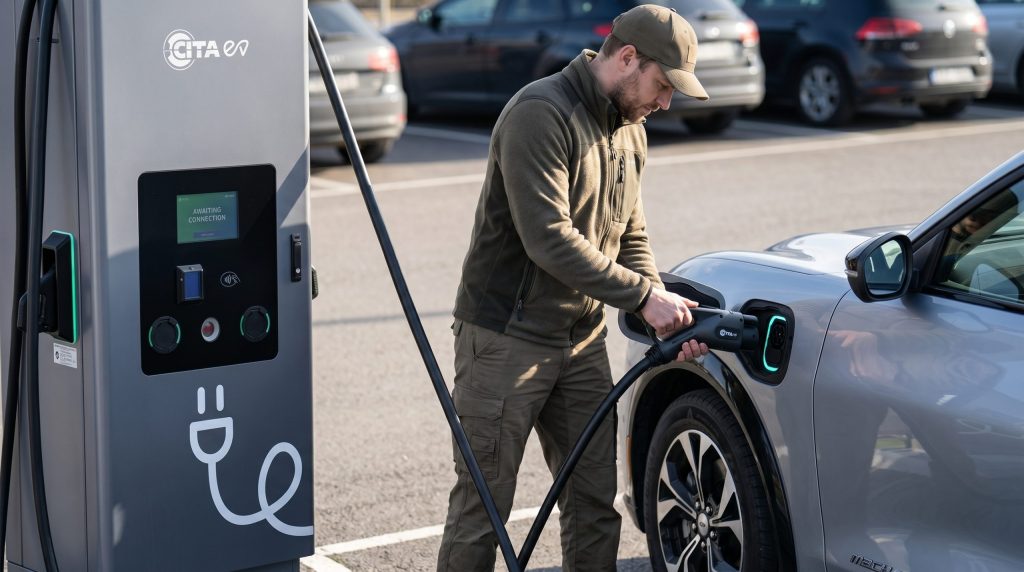
Selecting an EV Charging Location is about much more than simply finding an available parking space. It requires careful planning, technical expertise, and a long-term vision to maximise utilisation and return on investment.
A successful project requires careful planning, technical evaluation, electrical assessment, accessibility analysis, regulatory compliance, and future scalability. Taking the time to evaluate these five factors can significantly improve charger utilisation, reduce long-term costs, and maximise your return on investment.
At CITA EV Charger, we do much more than manufacture intelligent AC and DC charging solutions. Our team supports businesses through every stage of the project – from professional site mapping and feasibility studies to charger selection, installation guidance, commissioning, and ongoing technical support.
Whether you’re planning a single installation or building a large commercial charging network, we’re here to help you develop a smarter, future-ready EV charging solution.
Ready to plan your EV charging project?
Contact CITA EV Charger today for expert site assessment and tailored charging solutions designed around your business needs.