Skip to content






The Best Home Charging Tips in Dubai can help electric vehicle owners charge their cars more safely, efficiently and conveniently. While charging an EV at home may seem as simple as plugging in a cable, factors such as electrical capacity, charger compatibility, battery condition and Dubai’s climate can influence the charging experience.
With Dubai expanding its electric mobility infrastructure through initiatives such as DEWA’s Green Charger programme, more residents are exploring residential EV charging solutions.
Home charging is particularly convenient because vehicles can recharge while parked overnight. However, improper charging practices, unsuitable equipment or inadequate electrical installations may create unnecessary risks.
Whether you have recently purchased your first electric car or already use a home charger, understanding these seven practical tips can help you develop better charging habits.
7 Essential Home EV Charging Tips Every Dubai EV Owner Should Know
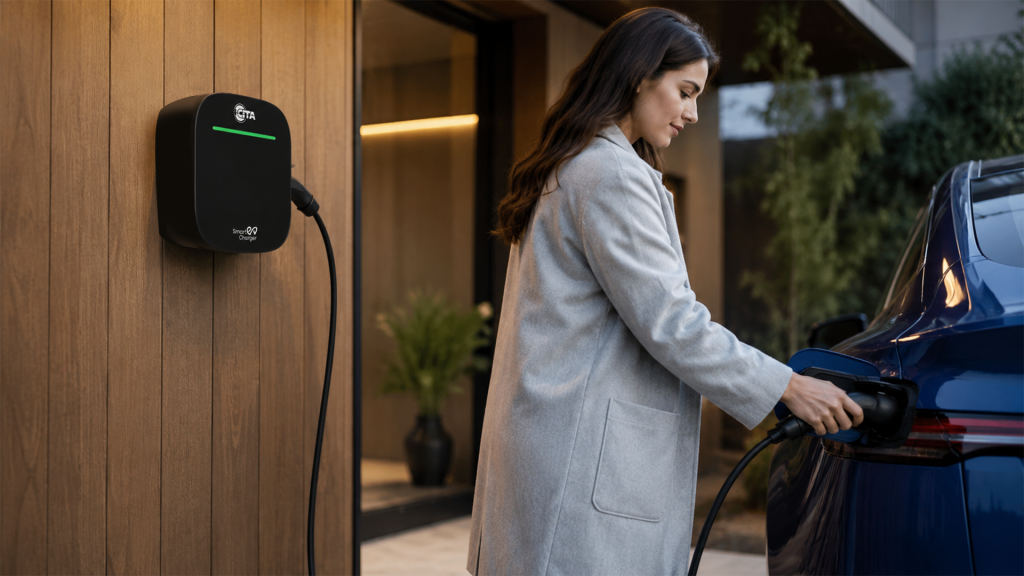
Before charging your electric vehicle at home, it’s important to understand a few essential practices that can improve safety, charging efficiency and battery care.
Here are seven practical tips to help Dubai EV owners enjoy a smarter, safer and more convenient home charging experience.
1) Choose the Right Home EV Charger for Your Vehicle
Selecting the correct charging equipment is the first step towards safe and convenient home charging.
Most residential EV charging installations use AC chargers, commonly available in 7 kW, 11 kW and 22 kW configurations. However, a higher-powered charger does not automatically charge every vehicle faster.
For example, if your EV supports a maximum AC charging rate of 7.4 kW, connecting it to a 22 kW AC charger will not increase charging beyond the vehicle’s onboard charging limit.
Before purchasing a charger, check:
- Your vehicle’s supported charging connector.
- Maximum AC charging capacity.
- Available single-phase or three-phase electrical supply.
- Charger safety certifications and protection features.
- Compatibility with smart charging and energy monitoring systems.
Choosing suitable equipment helps prevent unnecessary installation expenses and ensures the charging system matches your vehicle’s requirements.
2) Avoid Charging Your EV Battery to 100% Every Day Unless Recommended
One of the Best Home Charging Tips in Dubai is to follow your vehicle manufacturer’s recommended daily charging limit.
Many EV manufacturers recommend setting a lower charge limit for routine driving, particularly for certain lithium-ion battery chemistries.
For some vehicles, maintaining a daily charge level around 80% can help reduce prolonged exposure to high states of charge.
However, this recommendation is not universal. Some EVs with lithium iron phosphate (LFP) batteries have different charging recommendations, including periodic charging to 100%. The most practical approach is to follow the guidance provided for your specific battery.
Charging to 100% is also appropriate when needed for longer journeys, provided it is consistent with the manufacturer’s instructions.
3) Protect Your EV Charger from Dubai's Extreme Heat
Dubai’s summer temperatures make environmental suitability an important consideration for residential charging. Although modern EV chargers are designed to operate within specified temperature ranges, prolonged exposure to extreme heat can affect charging performance.
EV batteries may also reduce charging power when temperatures become excessive to protect battery components.
For safer home EV charging in Dubai, consider these precautions:
- Install outdoor charging equipment in a suitable shaded location where practical.
- Ensure the charger has adequate ventilation according to manufacturer instructions.
- Choose equipment with appropriate IP protection and operating temperature ratings.
- Avoid obstructing ventilation openings or enclosing chargers improperly.
- Follow your vehicle’s battery cooling and preconditioning recommendations.
A properly installed charger designed for local environmental conditions can support more consistent charging performance throughout the year.
4) Use Smart Charging Features to Manage Electricity Consumption
Modern smart home EV chargers offer useful features beyond basic electricity delivery.
Depending on the model, these may include scheduled charging, remote monitoring, charging-session history and dynamic load management.
For example, you can connect your vehicle after returning home and schedule charging to finish shortly before your morning departure.
Load management can also help prevent the combined demand from your charger and household appliances from exceeding configured electrical limits. However, scheduling does not automatically reduce electricity costs. Savings depend on whether your electricity tariff offers different rates at different times.
Using smart charging features can make it easier to monitor consumption, manage charging routines and avoid unnecessary electrical demand.
5) Never Use Damaged Charging Cables or Unsafe Electrical Connections
Electrical safety should always take priority when charging an electric vehicle at home.
Avoid using damaged charging connectors, cables with exposed conductors or equipment showing signs of overheating.
EV chargers should be installed on an appropriately designed electrical circuit with the required protective devices.
Important EV charging safety tips include:
- Inspect charging cables and connectors regularly for visible damage.
- Avoid ordinary extension cords and household adapters for routine EV charging.
- Keep charging connectors clean and follow manufacturer guidance for wet conditions.
- Do not attempt to repair charging equipment yourself.
- Stop charging and seek professional assistance if you notice unusual heat, burning smells or repeated electrical faults.
A qualified electrician should inspect any suspected electrical issue before the charger is used again.
6) Follow DEWA Requirements for Home EV Charger Installation
Another important consideration among the Best Home Charging Tips in Dubai is ensuring that your installation complies with applicable electrical regulations.
DEWA provides guidance for installing home EV charging equipment behind a customer’s electricity meter.
The installation must follow applicable technical requirements, and property owners should engage appropriately approved electrical contractors.
Before installing a residential EV charger, confirm the electrical capacity, installation location, protection requirements and any necessary permissions.
Apartment residents may also need approval from building management or the relevant property authority before installing charging equipment in shared parking areas. Following the appropriate procedures helps ensure that the charging system is integrated safely into the property’s electrical infrastructure.
7) Monitor Charging Performance and Maintain Your Equipment
Regular monitoring can help identify charging problems before they become more serious.
For example, a charger that repeatedly disconnects, displays error messages or delivers unexpectedly low charging power may require inspection. However, slow charging does not always indicate a charger fault.
Charging speed can also be affected by battery temperature, vehicle charging limits, battery state of charge and electrical supply conditions.
To maintain your equipment:
- Review charging-session information through the vehicle or charger app.
- Keep charging equipment clean according to manufacturer instructions.
- Inspect visible cables and connectors periodically.
- Install manufacturer-approved firmware updates when available.
- Arrange professional maintenance if persistent faults occur.
These simple habits can help support safe operation and long-term equipment performance.
How Long Does It Take to Charge an EV at Home in Dubai?
Home charging time depends on the charger’s output, the vehicle’s onboard charging capacity, battery size and starting charge level.
The following table illustrates the approximate time required to add 40 kWh of energy under ideal conditions.
| Home charger | Approximate charging time |
|---|---|
| 7 kW AC | 6-7 hours |
| 11 kW AC | 5-6 hours |
| 22 kW AC | 4-5 hours |
Actual charging times are usually longer due to energy losses, charging limits and other operating conditions.
For most drivers, overnight AC charging provides a practical way to replenish the energy used during daily commuting.
Make Home EV Charging Smarter with CITA EV Charger
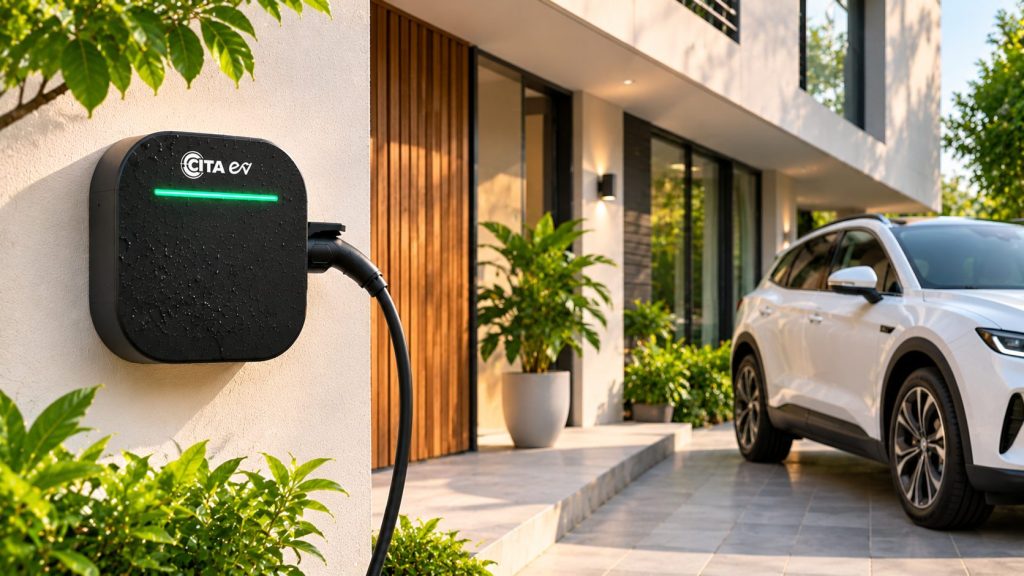
Charging an electric vehicle at home should be convenient, safe and suited to your everyday driving requirements.
From choosing the correct charging capacity and protecting equipment against Dubai’s heat to following DEWA requirements and maintaining healthy battery habits, these Best Home Charging Tips in Dubai can help you develop a more effective charging routine.
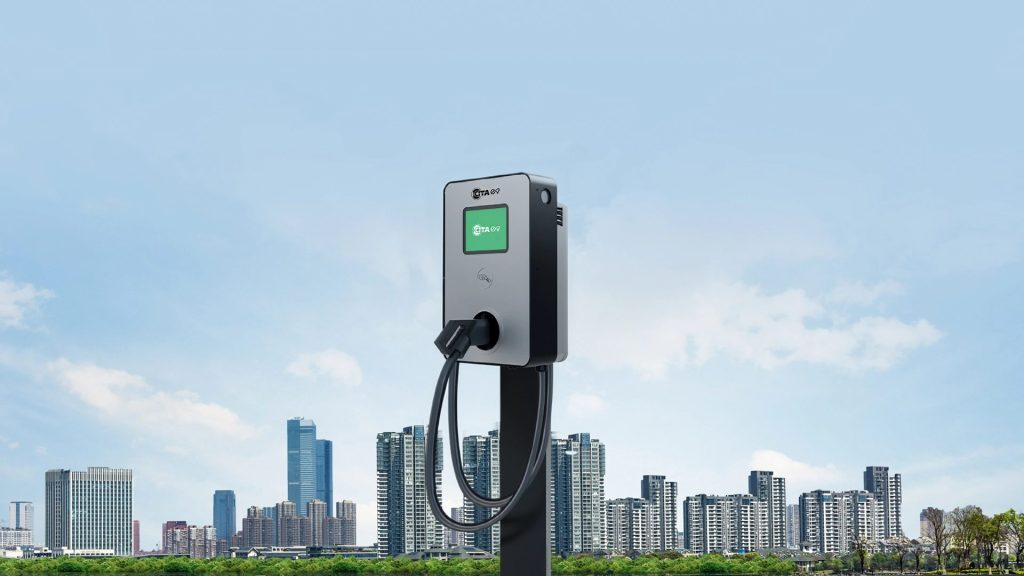
For EV owners exploring residential charging solutions, CITA EV Charger offers 7 kW, 11 kW and 22 kW smart AC chargers with selected features such as app connectivity, charging schedules, energy monitoring and load management.
Whether you are installing your first home charger or upgrading an existing setup, selecting compatible equipment and arranging professional installation are essential.
Ready to upgrade your home EV charging experience?
Explore CITA EV Charger’s smart charging solutions and contact the team for a personalised consultation on the right charger for your home in Dubai.
Yes. Home EV charging is generally safe when compatible charging equipment is correctly installed, maintained and used according to manufacturer instructions. Always follow applicable DEWA electrical requirements and use qualified professionals for installation.
It depends on your vehicle’s battery chemistry and manufacturer recommendations. Some manufacturers recommend approximately 80% for everyday use, while certain LFP battery vehicles have different charging guidance. Follow your vehicle’s specific instructions.
Yes. High battery temperatures can cause a vehicle’s battery management system to reduce charging power. Charger operating limits and thermal protection systems may also affect charging performance during extreme heat.
A 7 kW charger is sufficient for many EV owners who drive moderate distances and can charge overnight. The appropriate capacity depends on your daily mileage, vehicle charging capability and available electrical supply.
Home EV charging installations must follow applicable DEWA requirements. The specific procedures depend on the property and electrical arrangement. Consult a DEWA-approved electrical contractor and confirm any necessary building permissions before installation.