Skip to content







The regulation of EV charging in Dubai has entered a new phase.
The Dubai Electricity and Water Authority (DEWA) has introduced a formal licensing system for all public EV charging stations, setting a clear legal framework for how electric vehicle infrastructure is to be developed and operated across the Emirate.
This move establishes new responsibilities for both existing and upcoming charge point operators and reflects the UAE’s broader strategy to support sustainable transportation and reduce carbon emissions.
Under the new framework, any organisation or business offering public EV charging in Dubai must now obtain an official license from DEWA. This applies to both types of operators:
- Those providing free public EV charging
- Those offering paid charging services to users
No public EV charger may operate without a DEWA-issued license. The law prohibits unlicensed operators from accepting payments.
The licensing requirement applies across the board, covering AC chargers, DC fast chargers, and all forms of publicly accessible charging infrastructure.
Separate Application Paths for AC and DC EV Chargers
The licensing process differs based on charger type and usage setting:
- AC Chargers (commonly used in homes, workplaces, and commercial buildings)
These will be processed through DEWA’s upcoming CPO Licensing Portal. Until the portal is live, interim application procedures can be initiated by contacting DEWA directly.
- DC Chargers (used for rapid public charging)
Chargers with a capacity above 50 kW, or any DC charger located in publicly accessible areas, require specific approval from DEWA. Applications for these must also begin via DEWA’s licensing contact.
DC chargers under 50 kW that are installed in restricted-access areas, such as employee parking lots, hotels, or gated communities, will be eligible for a simplified process once the portal is launched.
According to the transitional terms set by DEWA, all existing public EV charging operators must become fully compliant with the new framework by 31 March 2025.
Until that deadline:
- Operators may continue offering free charging services
- However, collecting any form of payment from users without a valid licence is not permitted
Next Steps for Businesses and Operators
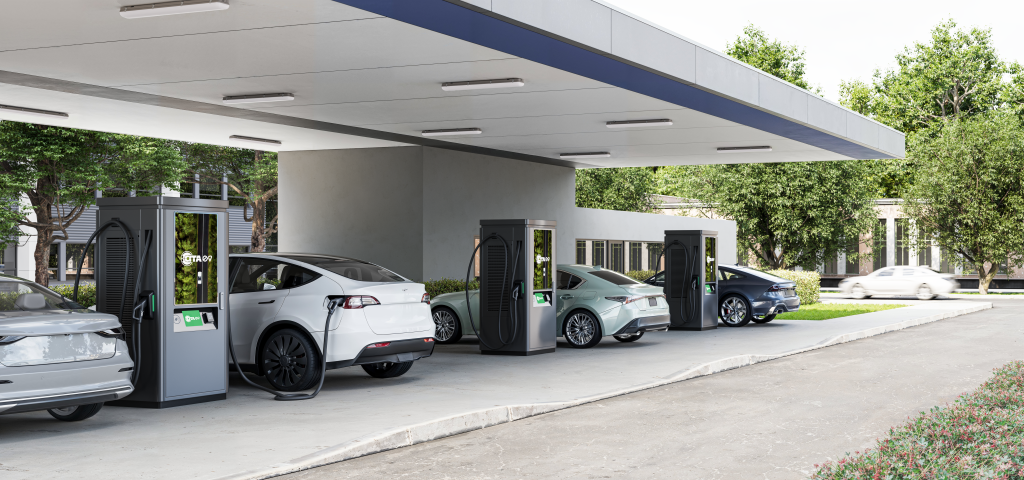
Stakeholders involved in deploying or managing EV chargers – such as developers, commercial building owners, fleet managers, and certified EV charger suppliers – are advised to review the new requirements and begin preparing for compliance.
The upcoming CPO Licensing Portal will streamline the process for new applicants. Until then, DEWA is accepting inquiries and interim applications via email at [email protected].
CITA EV Charger supports the UAE’s EV goals with DEWA-compliant solutions, built for safety and future readiness.
To know more about CITA, visit – www.citaevcharger.com
To speak to our Team, send an email to [email protected]