Skip to content







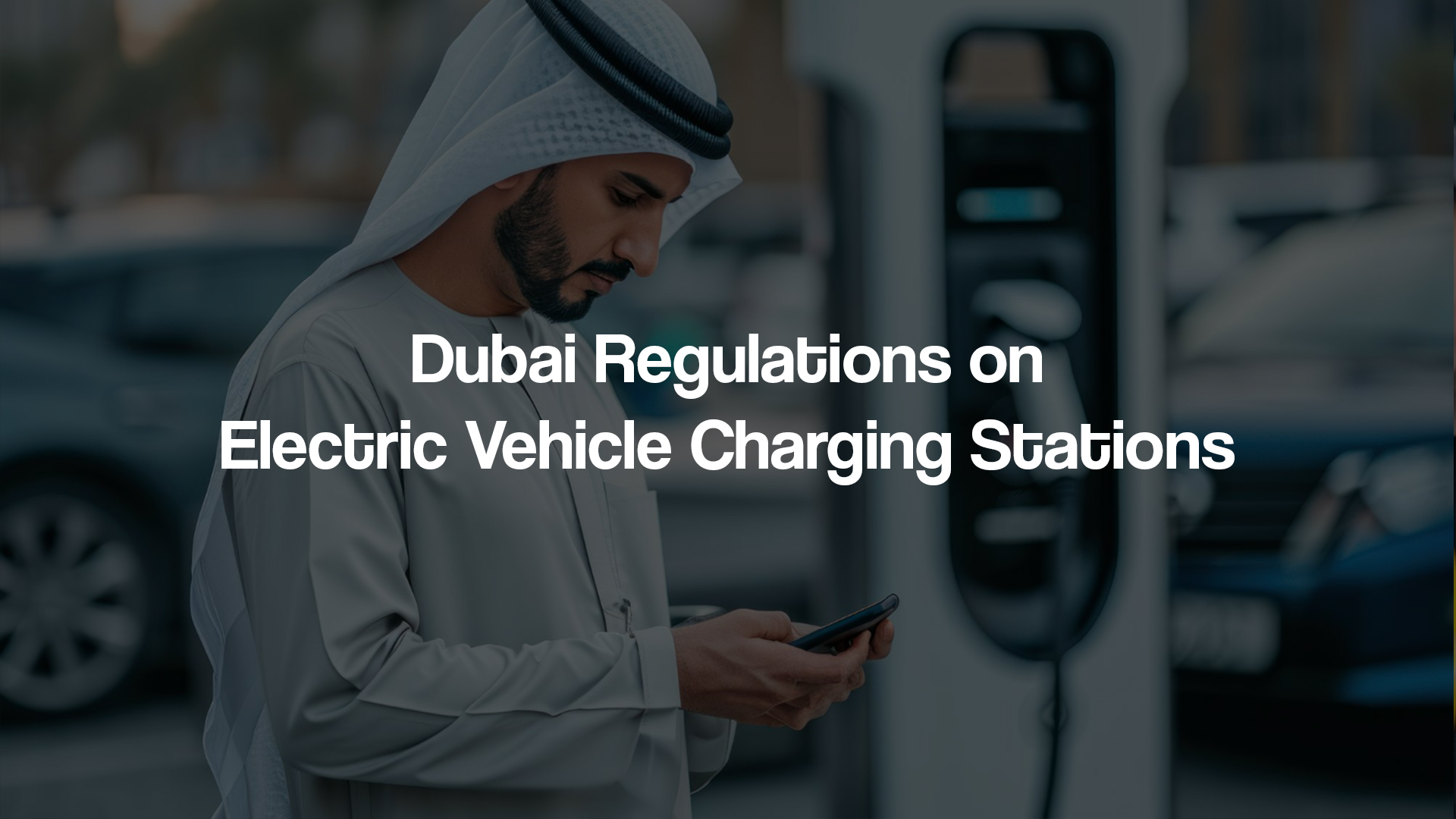
The UAE is stepping up its push for sustainable transport with tighter Dubai Regulations on Electric Vehicle Charging Stations. Authorities in Abu Dhabi and Dubai are rolling out new standards aimed at ensuring safety, compliance, and accessibility for EV charging stations, and the changes affect everyone from automotive manufacturers to building developers.
At the national level, the former Emirates Authority for Standardization and Metrology (ESMA) drafted EV standards that have now been elevated to the Gulf Cooperation Council Standard Organization (GSO) for approval. This means once implemented, the Dubai Regulations on Electric Vehicle Charging Stations won’t just apply to the UAE – they could set the tone for the wider GCC region.
Dubai has taken additional steps through its Green Building Regulations and the Al Sa’fat Green Building System. New buildings must dedicate a percentage of parking spaces to eco-friendly vehicles — 5% for a Silver sustainability rating, 7% for Gold, and 10% for Platinum. On top of that, the Dubai Building Code now includes technical requirements for EV charging points in all new developments.
Dubai Enforces New EV Charging Rules
The Emirate of Dubai introduced the EV Charging Infrastructure Regulation on September 30th, 2024, requiring any entity operating public electric vehicle charging infrastructure to be licensed by the Dubai Electricity and Water Authority (DEWA).
In a directive issued by His Highness Sheikh Ahmed bin Saeed Al Maktoum, all public and private organizations must now seek DEWA approval before installing, operating, or maintaining an EV charging station. DEWA, working alongside Dubai Municipality and the Roads and Transport Authority, will ensure every installation meets the city’s strict safety, technical, and operational standards.
These Dubai Regulations on Electric Vehicle Charging Stations reflect the UAE’s rapid EV adoption—with over 30,000 EVs already registered—and the growing demand for safe, reliable, and regulated charging.
By implementing these rules, the UAE is positioning itself as a regional leader in sustainable transport infrastructure, making it easier and safer for everyone to make the switch to electric vehicles while protecting consumers and businesses alike.
Power Your EV the Right Way
If you’re considering installing an EV charger that meets Dubai’s latest regulations, the CITA EV Charger is an excellent choice. Fully DEWA-compliant, it offers smart connectivity, high safety standards, and seamless integration with UAE energy protocols.
Designed for both residential and commercial use, CITA EV chargers ensure reliable, efficient charging while keeping you ahead of evolving rules.
Future-proof your EV setup with a trusted brand that supports your sustainable lifestyle and meets government requirements.
For more information, contact us at [email protected]