Skip to content







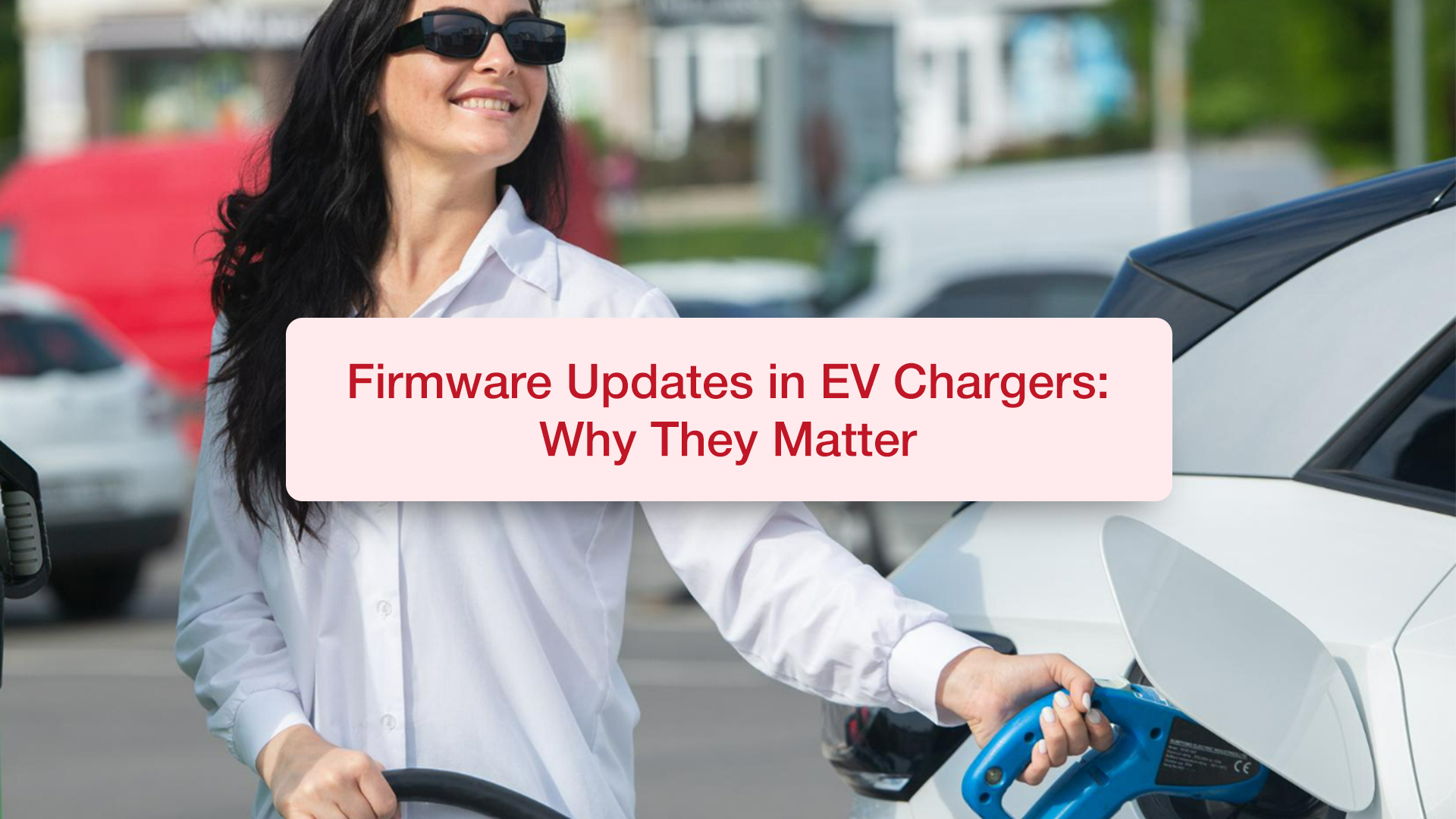
Firmware Updates in EV Chargers play a critical role in maintaining the efficiency, safety, and performance of modern charging infrastructure. As electric mobility grows worldwide, the technology behind EV Chargers continues to evolve. Just like smartphones or computers require regular software updates, EV charging equipment also relies on firmware updates to ensure optimal performance and compatibility with new vehicle technologies.
Today, charging networks are becoming smarter and more connected. From residential charging units to large commercial installations, electric vehicle chargers rely on advanced software systems to communicate with vehicles, manage power distribution, and monitor energy usage.
For businesses and property owners planning to install EV chargers in UAE, understanding the importance of firmware updates is essential for maintaining reliable and future-ready charging infrastructure.
What Are Firmware Updates in EV Chargers?
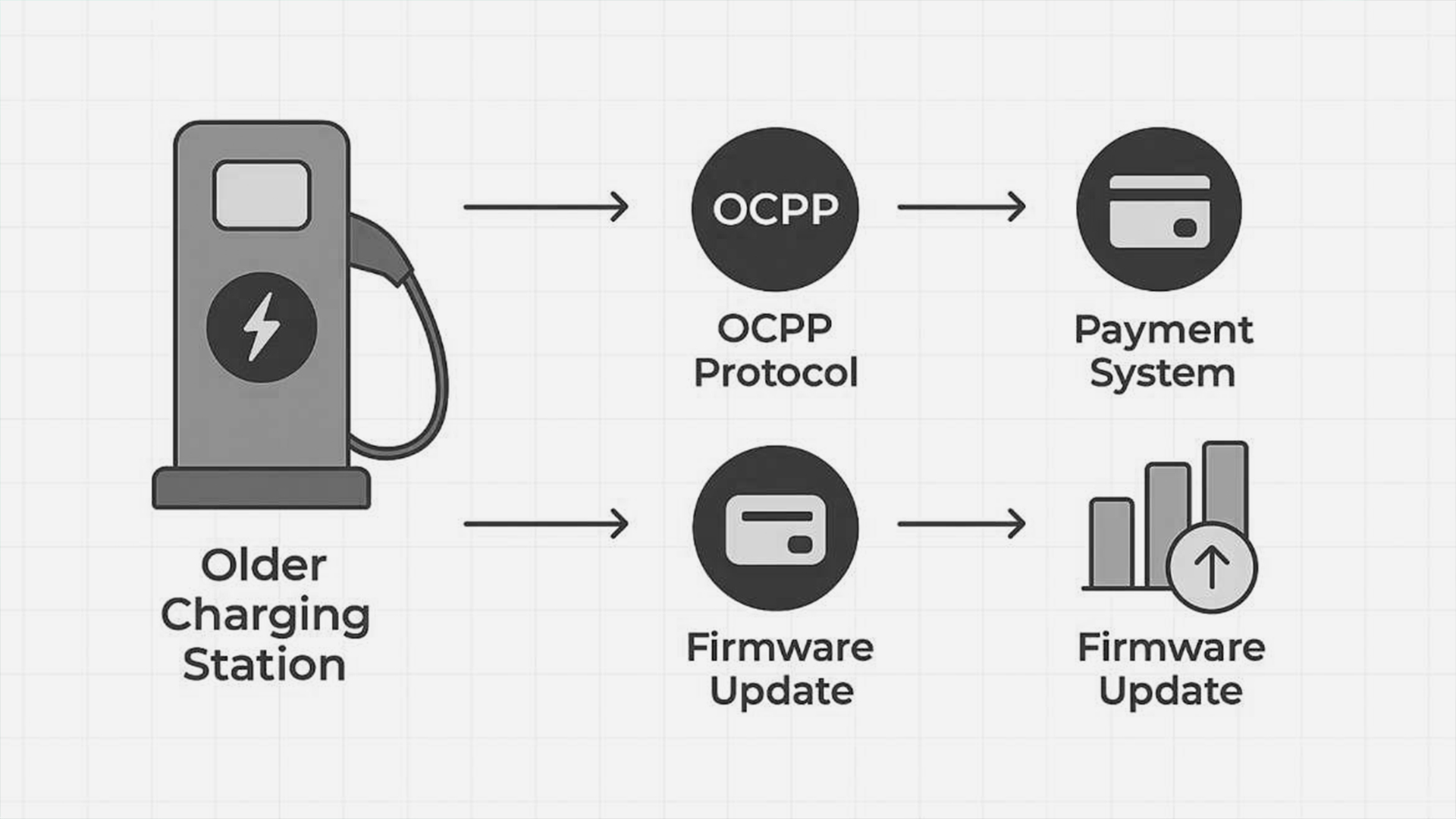
Firmware is the built-in software programmed directly into the hardware of a device. In the case of an electric car charger, firmware controls how the charger communicates with the vehicle, manages charging speed, regulates power flow, and ensures safety protocols are followed.
Firmware Updates in EV Chargers are improvements or patches released by manufacturers to upgrade the charger’s internal software. These updates may introduce new features, fix bugs, enhance security, or improve compatibility with newer electric vehicles.
Unlike traditional hardware upgrades that require replacing components, firmware updates can often be installed remotely through connected networks. This makes modern ev charging solutions more flexible and adaptable over time.
Why Firmware Updates Are Essential for EV Charging Infrastructure
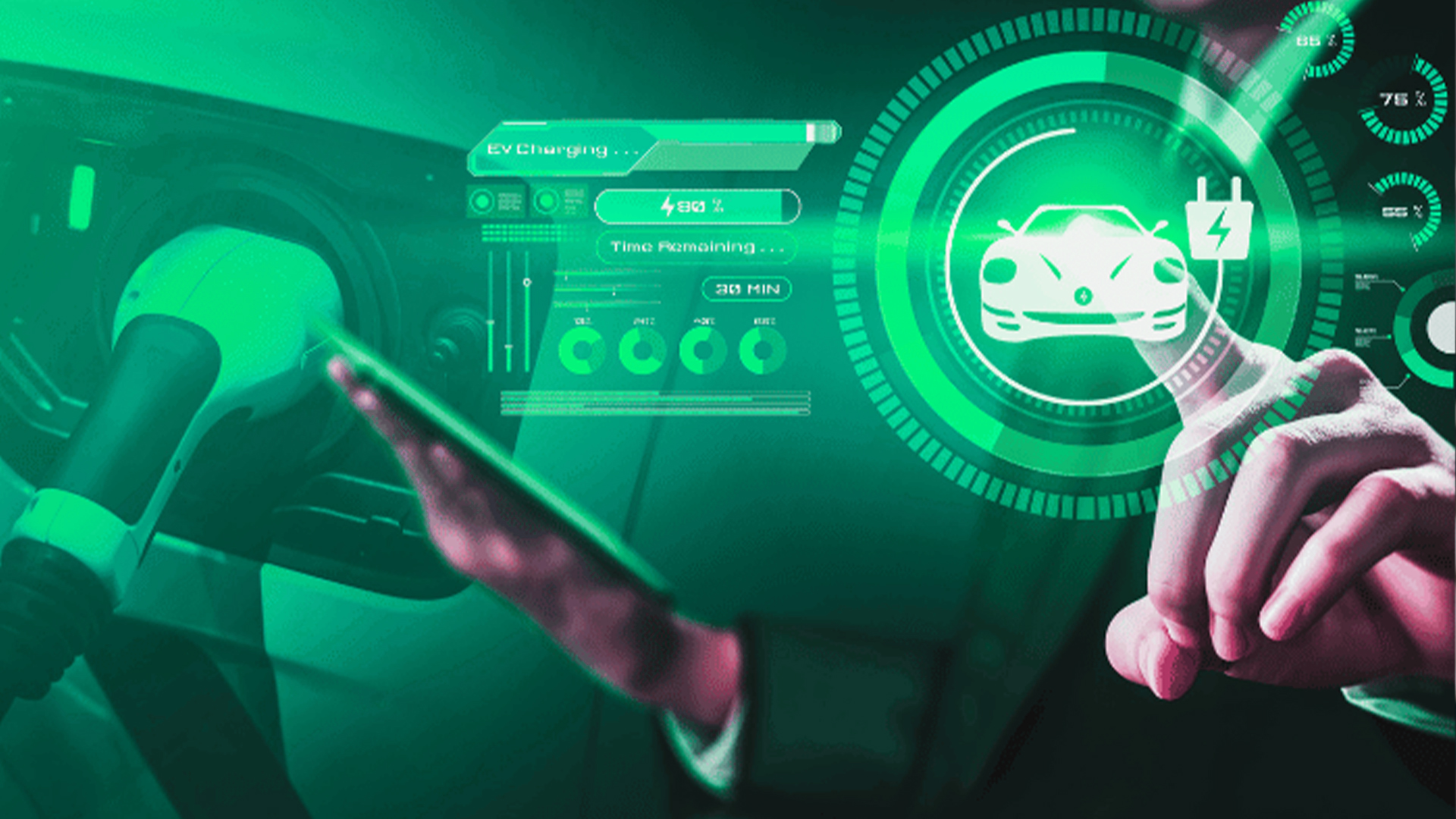
As EV technology evolves, EV Chargers must keep pace with new vehicle models, charging standards, and energy management systems. Firmware Updates in EV Chargers ensure chargers remain compatible, secure, and efficient.
Without regular updates, charging stations may face performance issues or compatibility problems with newer electric vehicle chargers and EV models. Firmware improvements help maintain smooth communication between vehicles and chargers while optimizing charging performance.
They also enhance security, stability, and smart charging capabilities.
Below are the key benefits that highlight why firmware updates are essential for modern EV charging infrastructure.
1) Improving Charger Performance and Efficiency
One of the main benefits of Firmware Updates in EV Chargers is improved performance. Manufacturers often release updates that optimize power delivery, enhance charging algorithms, and improve communication between the charger and the EV.
These updates can help:
- Improve charging speed and stability
- Enhance load balancing capabilities
- Optimize power distribution across multiple EV chargers
- Reduce energy losses during charging
For businesses investing in ev charging solutions, these improvements can lead to better user experiences and more efficient energy usage.
2) Strengthening Safety and Security
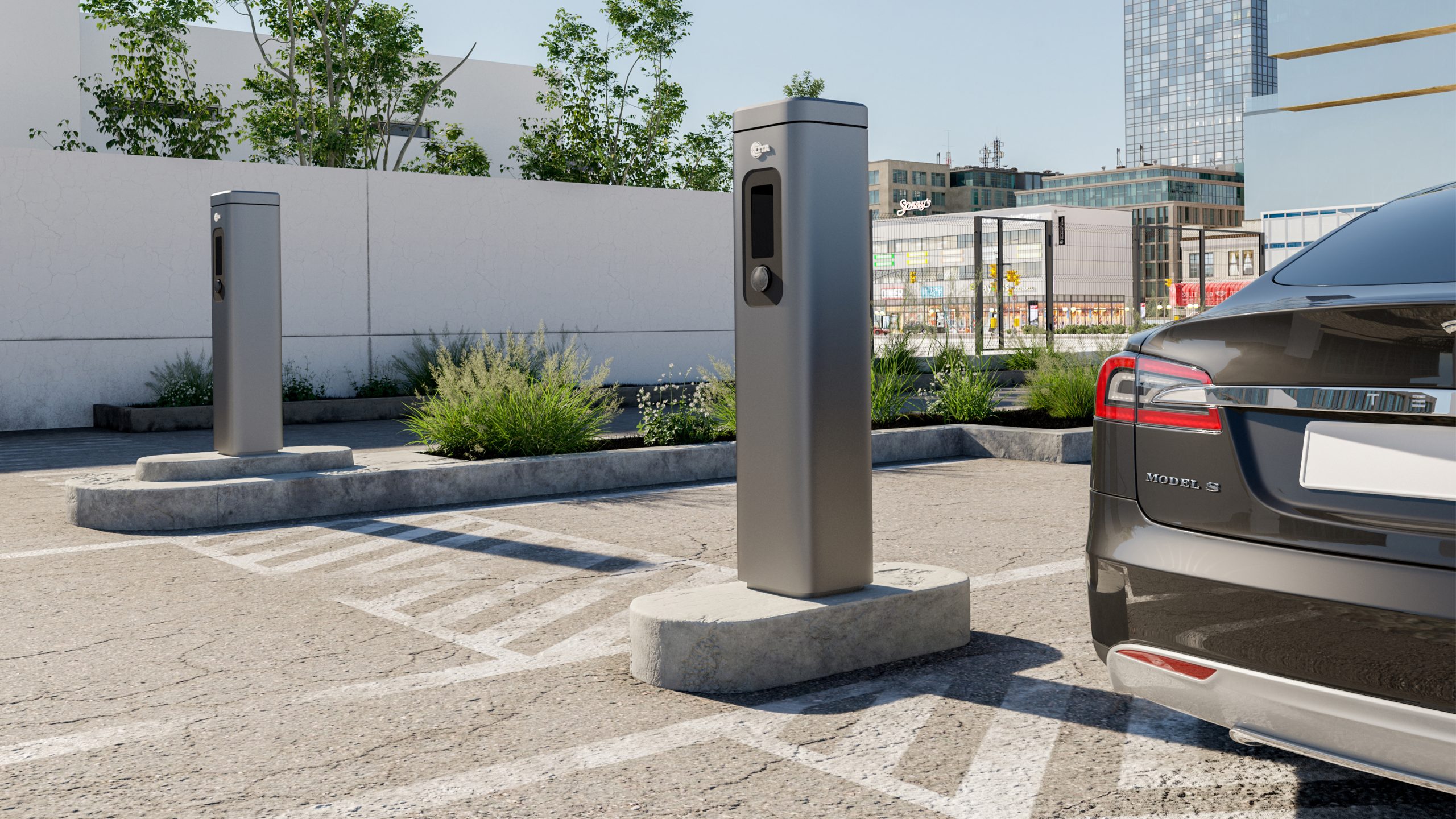
Safety is a critical factor when dealing with high-power electrical equipment. Firmware Updates often include important safety improvements and security patches.
EV Charging stations are connected to networks, making them potential targets for cybersecurity threats. Firmware updates help protect charging infrastructure by fixing vulnerabilities and strengthening security protocols.
In addition, updates may improve safety features such as:
- Overcurrent protection
- Temperature monitoring
- Fault detection systems
- Emergency shutdown mechanisms
For locations installing ev chargers in UAE, ensuring secure and safe charging infrastructure is particularly important as EV adoption increases.
3) Supporting New EV Models and Charging Standards
Electric vehicle technology is advancing quickly, and new models often introduce updated charging protocols or communication systems.
Firmware Updates in EV Chargers help maintain compatibility with these new technologies. Without updates, older chargers may struggle to communicate effectively with newer vehicles.
Manufacturers continuously release firmware updates to support evolving charging standards, ensuring that electric vehicle chargers remain compatible with a wide range of EV brands and models.
This is especially important for public charging networks and commercial facilities where chargers must support multiple vehicle types.
4) Enabling Smart Charging and Energy Management

Modern charging infrastructure is becoming increasingly intelligent. Smart charging features rely heavily on firmware to manage energy distribution, integrate with cloud platforms, and support remote monitoring.
Through Firmware Updates in Electric vehicle Chargers, operators can enable advanced features such as:
- Dynamic load balancing
- Remote diagnostics
- Smart energy management
- Integration with renewable energy systems
- Software-based upgrades for future functionality
These features are essential for scalable ev charging solutions in residential communities, workplaces, and commercial parking areas.
5) Reducing Maintenance and Operational Costs
Regular firmware updates can significantly reduce maintenance requirements for charging stations. By identifying and resolving software issues early, updates help prevent larger technical problems that could lead to charger downtime.
This is particularly beneficial for organizations that manage multiple charging stations across different locations. Instead of physically upgrading hardware, firmware updates allow operators to improve performance remotely.
For businesses planning EV charger installation, choosing chargers that support remote firmware updates can reduce long-term operational costs and simplify maintenance processes.
6) Enhancing User Experience for EV Drivers

The charging experience for EV drivers is directly influenced by the software running inside the charger. Firmware Updates in EV Chargers help improve user experience by optimizing charging sessions and reducing potential errors.
For example, updates may improve:
- Charger-to-vehicle communication
- Charging session stability
- Mobile app connectivity
- Payment system integration
- Charging data accuracy
A smooth and reliable charging experience encourages more drivers to adopt electric vehicles and increases confidence in charging infrastructure.
Preparing EV Charging Networks for Future Technology
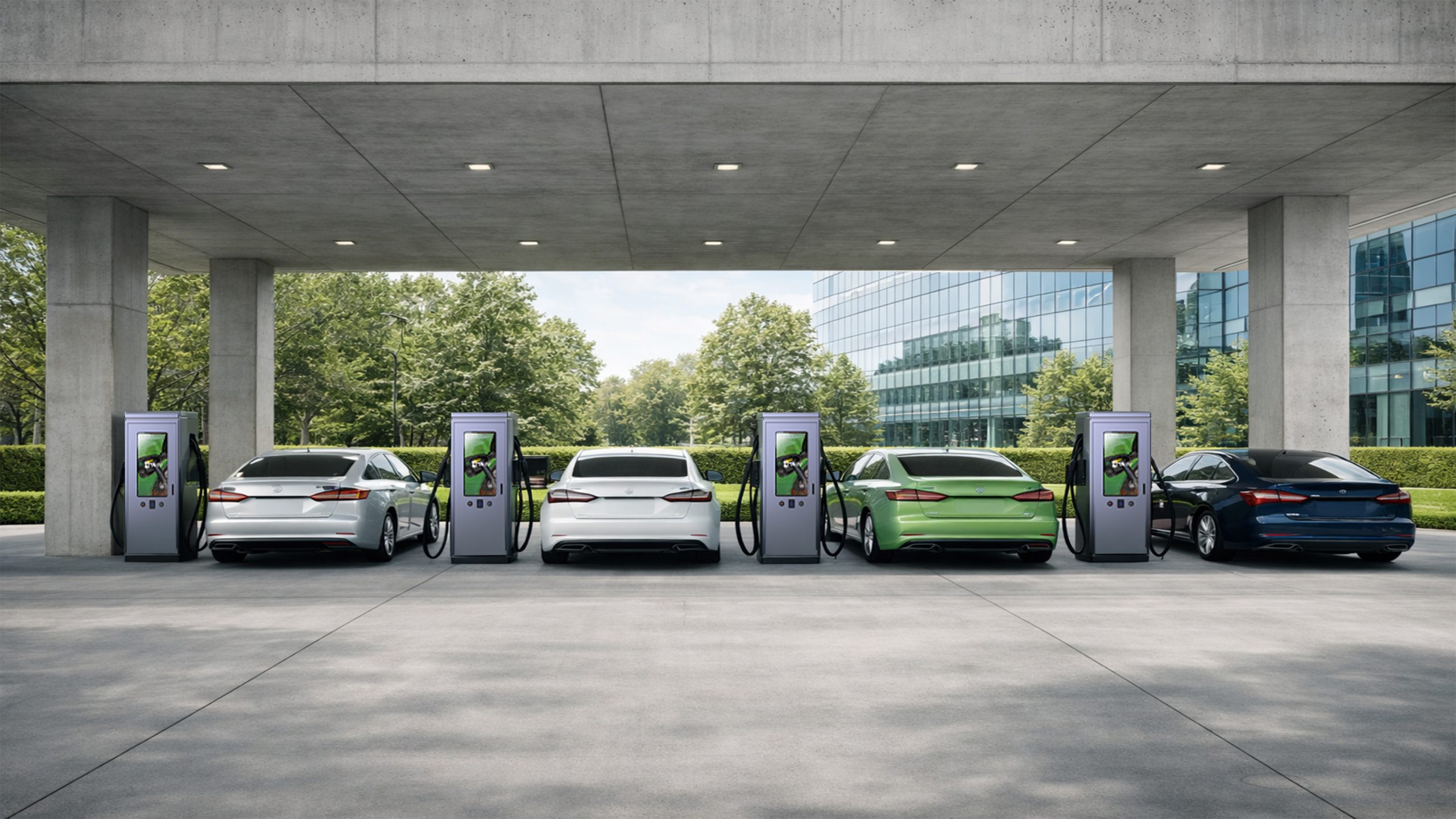
As the EV market continues to grow, charging infrastructure must remain flexible and adaptable. Firmware Updates in chargers allow charging stations to evolve alongside new technologies without requiring complete hardware replacements.
This adaptability is especially important for large charging networks or commercial properties planning long-term investments in EV infrastructure.
By regularly updating firmware, operators can ensure that their Approved EV Charger systems remain compliant with industry standards and ready to support future innovations.
Future-Proof Charging with Advanced Technology
The importance of Firmware Updates in EV Chargers cannot be overstated as EV technology continues to evolve. Regular updates help improve charger performance, strengthen cybersecurity, support new EV models, and enable advanced smart charging features.
For businesses, property developers, and organizations planning ev charger installation or installing ev chargers in UAE, choosing chargers with reliable firmware support ensures long-term efficiency and adaptability.
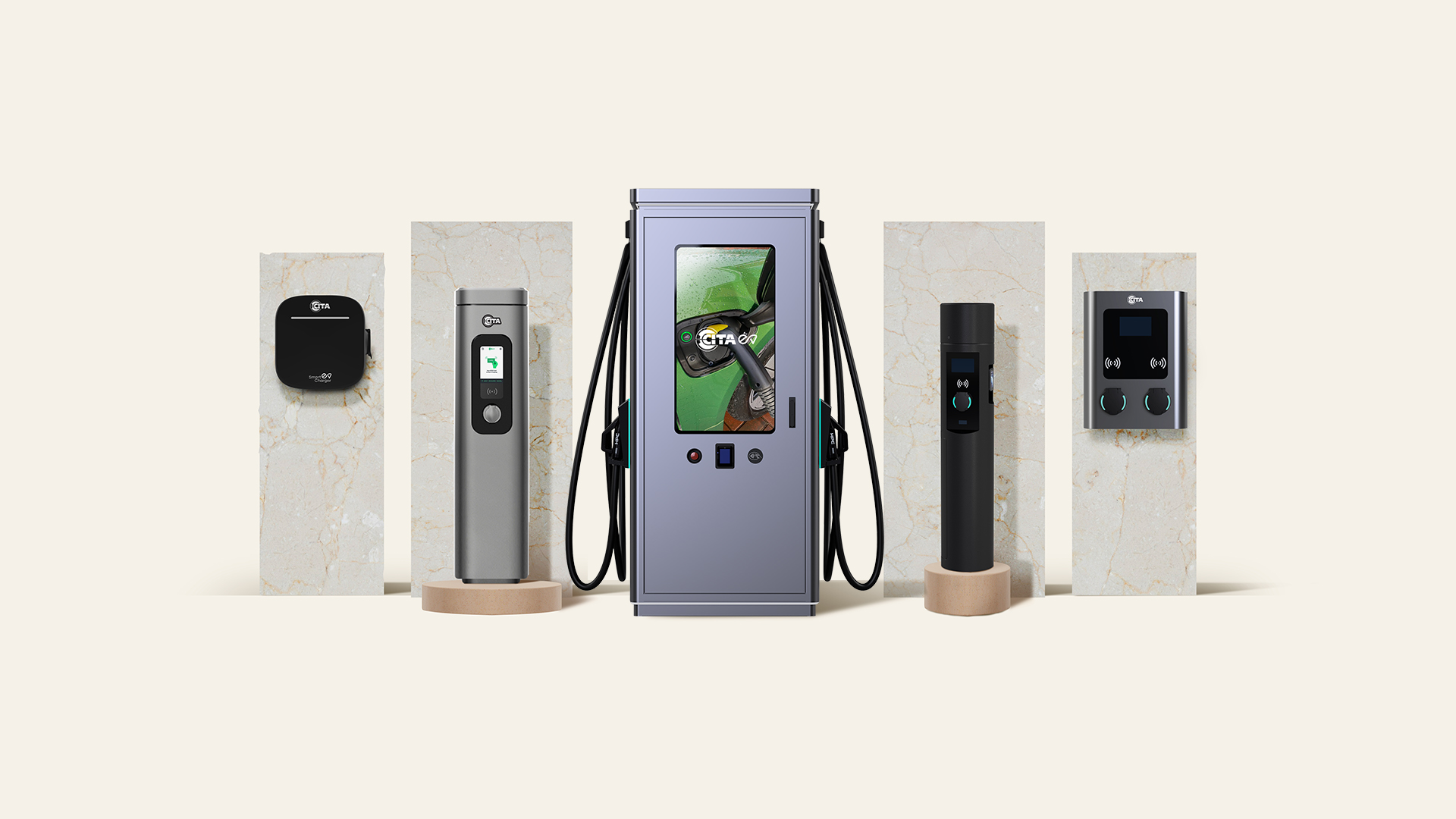
At CITA EV Charger, our advanced charging solutions are designed with intelligent firmware capabilities that allow continuous upgrades and reliable performance.
Looking to install smart EV charging infrastructure?
Connect with our team for expert guidance and free consultation and discover future-ready charging solutions for your project.