Skip to content







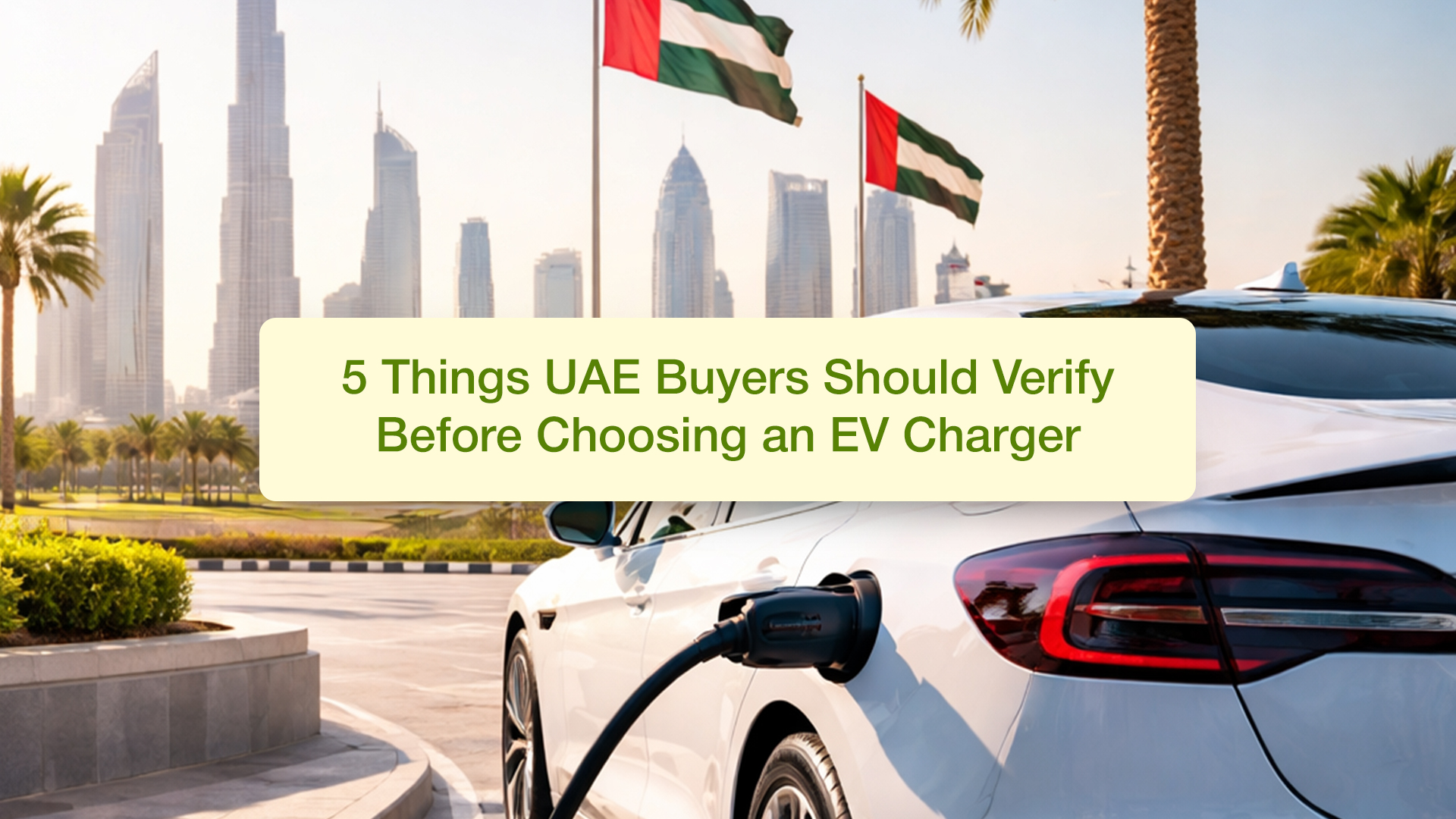
Choosing an EV Charger in the UAE is no longer just a technical decision – it’s a long-term infrastructure investment. With EV adoption accelerating across Dubai, Abu Dhabi, and Sharjah, the region is witnessing rapid growth in charging demand.
According to regional mobility forecasts, EV sales in the Middle East are expected to grow over 30% annually through 2030. This means buyers must think beyond price and carefully evaluate reliability, safety, and scalability before installing an ev charger at home or for commercial use.
Whether you’re a homeowner, fleet operator, or property developer, selecting the right charging solution ensures better performance, compliance, and long-term ROI.
What UAE Buyers Must Evaluate Before Installing an EV Charger

With EV adoption accelerating across the UAE, selecting the right EV charger requires more than comparing power ratings. Buyers must evaluate safety, compatibility, durability, and long-term usability.
Whether you are installing a charger at home or deploying infrastructure for commercial use, these five critical factors will help ensure a reliable and future-ready decision.
1) Certification and Regulatory Compliance

The UAE has strict regulatory frameworks for EV charging infrastructure. Before finalizing any electric vehicle chargers, verify whether the product complies with local authority standards such as DEWA (Dubai Electricity and Water Authority) or ADQCC approvals. Certified EV chargers not only ensure electrical safety but also simplify installation approvals.
Compliance becomes even more critical for commercial deployments where insurance and operational permissions depend on recognized certifications. Always choose brands that provide internationally validated ev charging solutions backed by documented safety standards.
2) AC vs DC Charging Needs
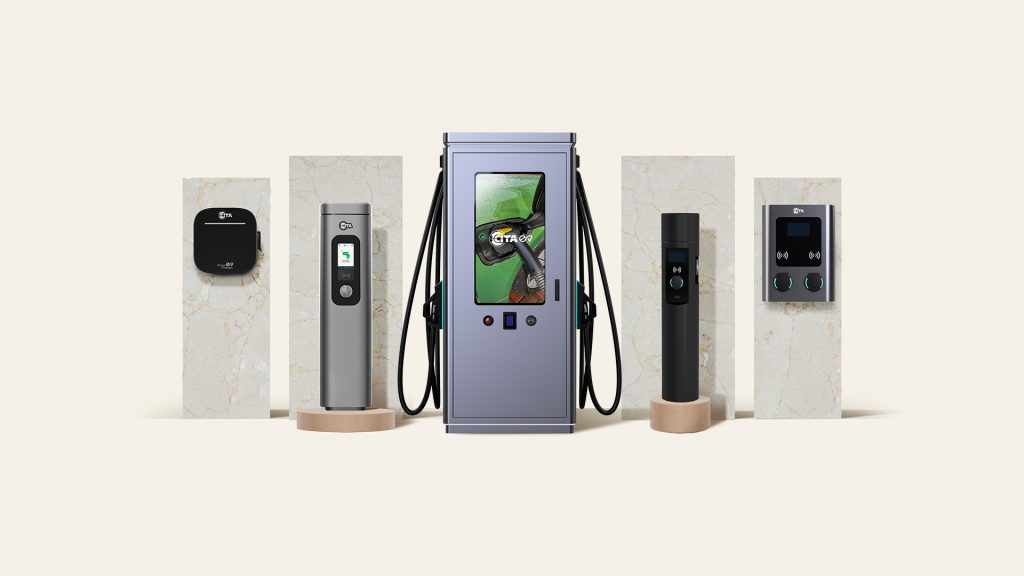
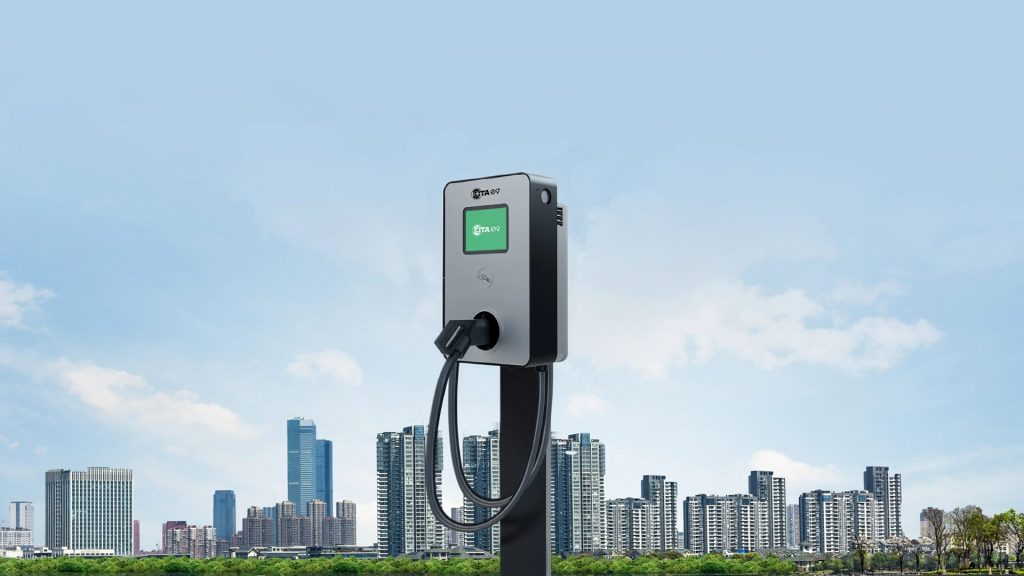
Understanding your usage pattern is key when choosing an EV charger for your home or business. Most homeowners prefer an ac ev charger, typically ranging between 7 kW and 22 kW, which is ideal for overnight charging. These EV chargers are cost-effective, compact, and well-suited for villas, apartments, and residential parking spaces.
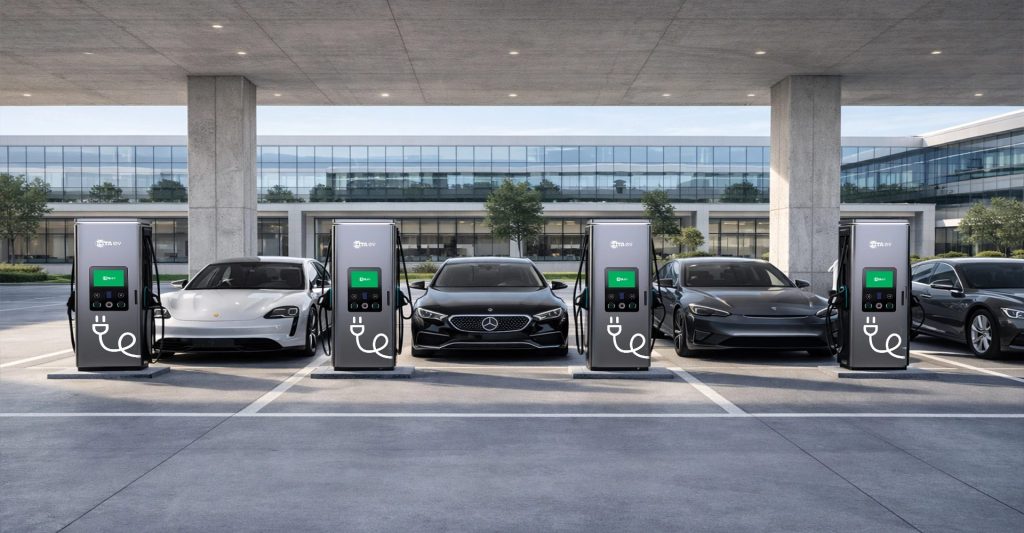
For semi-commercial environments like offices, hotels, and shared parking areas, dual AC chargers are becoming increasingly popular. A 44 kW dual-output AC charger (2×22 kW) allows two vehicles to charge simultaneously, offering a practical middle ground between residential and high-speed public charging. This makes it an efficient solution for workplaces and destination charging setups.
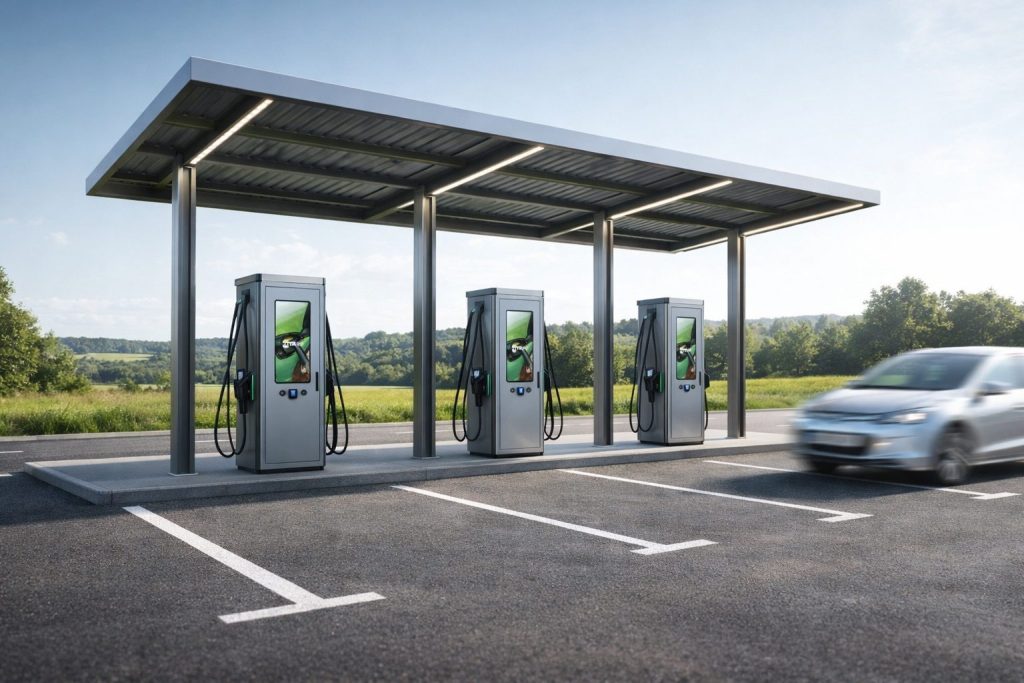
However, businesses and high-traffic locations often require a DC EV charger for rapid charging. DC chargers deliver significantly higher output and are ideal for malls, highways, fleet depots, and public infrastructure.
3) Compatibility with Multiple EV Brands
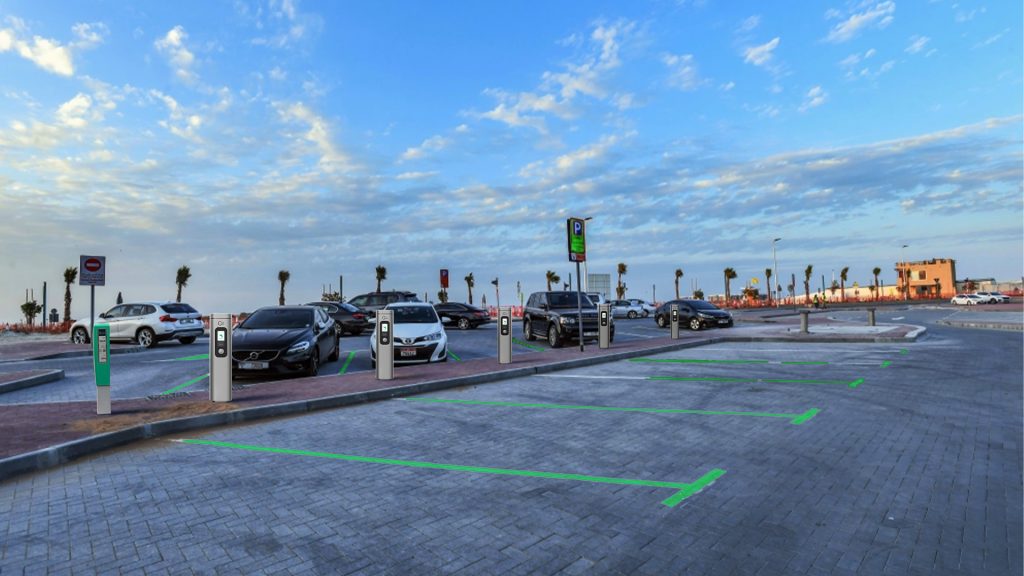
Not all EV chargers support every EV model seamlessly. One of the most overlooked aspects when selecting an electric car charger is universal compatibility. UAE roads feature a diverse mix of EV brands – Tesla, BYD, MG, Nissan, Hyundai, and more – making interoperability essential.
Look for chargers that support global charging standards such as CCS2 connectors and Type 2 AC sockets. A future-ready charger ensures that even if you upgrade your vehicle later, your charging infrastructure remains relevant and functional.
4) Smart Features and Connectivity
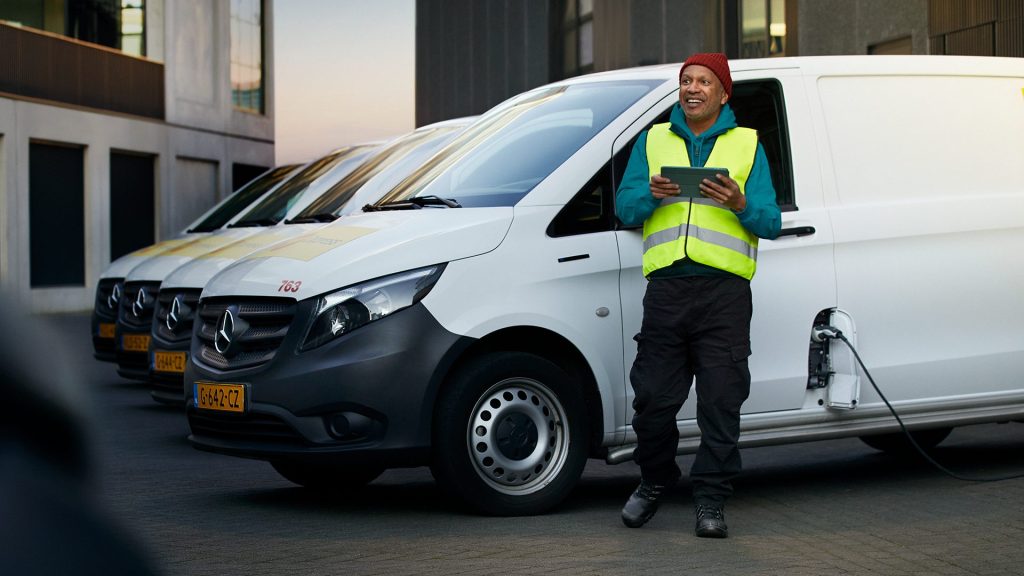
Modern EV charging is moving far beyond basic plug-and-charge functionality. Buyers today expect smart features like mobile app control, usage tracking, and remote diagnostics. Intelligent ev charging solutions often include:
- App-based scheduling and monitoring
- RFID or contactless authentication
- Energy usage analytics
- Load balancing for buildings
Smart EV chargers are particularly valuable for commercial spaces, enabling operators to monitor usage, optimize electricity costs, and improve uptime. In the UAE’s tech-forward ecosystem, connected infrastructure is quickly becoming the norm.
5) Durability and Climate Suitability
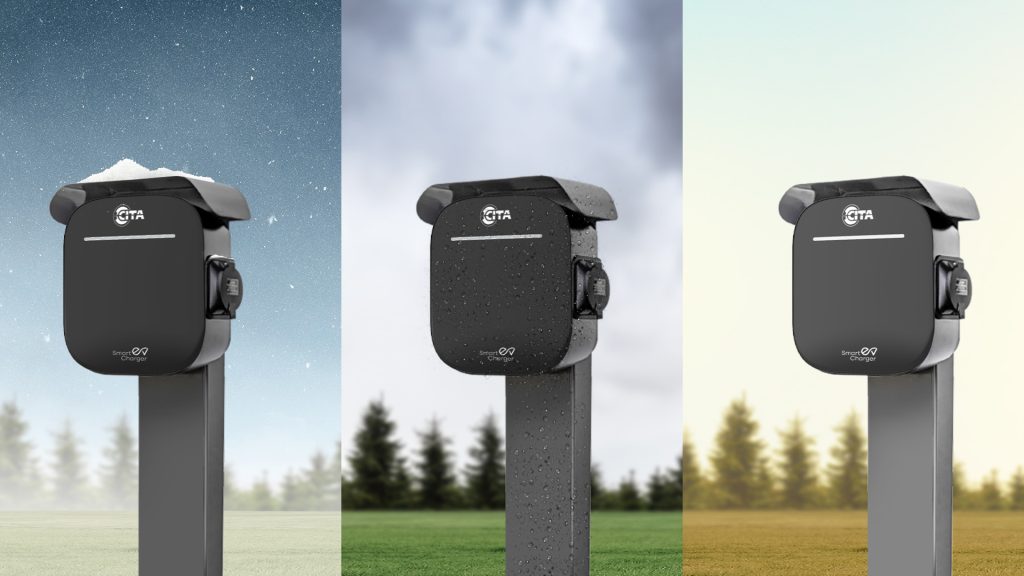
The UAE’s climate presents unique challenges for EV infrastructure. Extreme heat, dust, and humidity demand robust hardware. Always verify IP and IK ratings before finalizing any electric vehicle chargers.
For outdoor installations, IP65-rated chargers provide strong protection against dust and water exposure, while IK10 ratings ensure impact resistance. This is especially critical for public locations, parking lots, and roadside installations exposed to harsh environmental conditions. Durability directly impacts maintenance costs and long-term reliability, making it a key factor when selecting the best ev charger in UAE.
Bonus: Installation and After-Sales Support
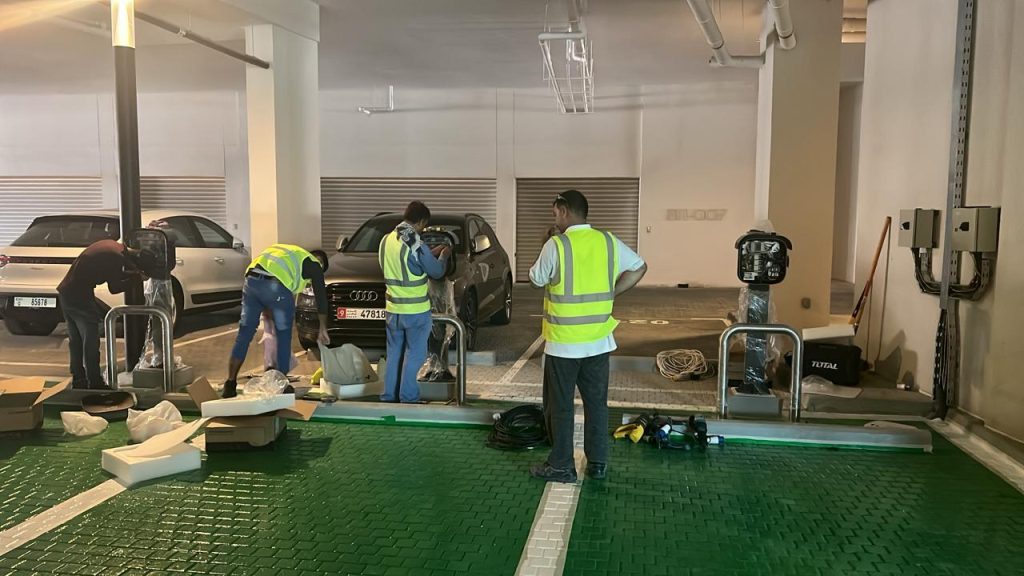
Even the most advanced EV charger can fail without proper installation and support. Always evaluate whether the manufacturer offers certified installers, warranty coverage, and technical assistance. A strong support ecosystem ensures faster issue resolution and long-term peace of mind.
Reliable after-sales service also reflects the brand’s long-term commitment to the region – an important consideration in the UAE’s rapidly evolving EV ecosystem.
Making the Right Charging Investment
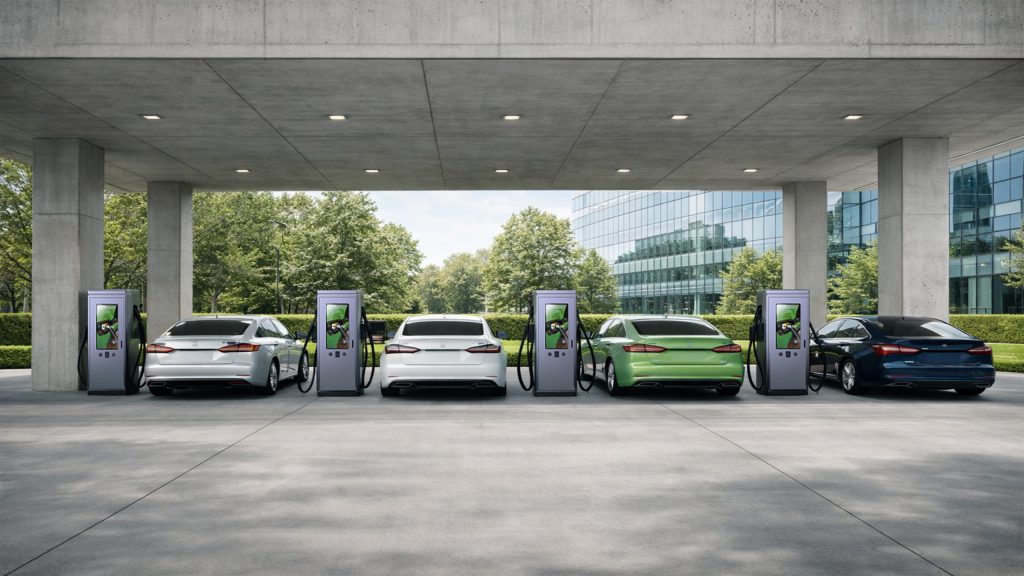
Choosing an EV charger goes beyond hardware – it’s about building a reliable charging ecosystem that supports your mobility needs for years to come. From certifications and compatibility with smart features and durability, UAE buyers must evaluate every detail to ensure long-term performance and safety.
At CITA EV Charger, we design charging solutions specifically for evolving EV markets like the UAE. It also includes residential, commercial, and ultra-fast charging systems built with international certifications, intelligent connectivity, and weather-resistant durability. Whether you’re installing a home charger or scaling commercial infrastructure, we focus on reliability, future readiness, and seamless user experience.
If you’re planning to install EV charging in the UAE, our experts are here to help.
Book a free consultation with the CITA team today and discover the right charging solution for your needs.