Skip to content







Is EV charging still just about powering a vehicle, or has it become part of how people plan their day in the UAE?
As electric vehicles move from early adoption into everyday use, EV Charging is no longer treated as a standalone activity. It is now shaping residential planning, workplace facilities, and commercial infrastructure.
By understanding how different types of EV Charging fit specific lifestyles and use cases, readers can clearly see why charging convenience has become central to modern mobility across the UAE.
EV Charging as an Everyday Utility in the UAE

The UAE’s EV ecosystem has moved far beyond pilot projects and infrastructure rollout. What was once about installing EV chargers has evolved into designing EV Charging around daily behaviour, mobility patterns, and expectations of convenience. In a country known for smart cities, digital services, and future-ready infrastructure, charging an EV is increasingly treated like electricity or internet access – always available, predictable, and easy to manage.
Today, EV Charging in the UAE is expected to be accessible where people already are, matched to how intensively vehicles are used, and designed to function reliably in local climate conditions. This evolution explains why EV charging solutions are no longer one-size-fits-all but purpose-built for homes, shared environments, and high-demand mobility use cases.
Home EV Charging: Convenience That Starts and Ends at Home

Why Residential Charging Feels Effortless in the UAE
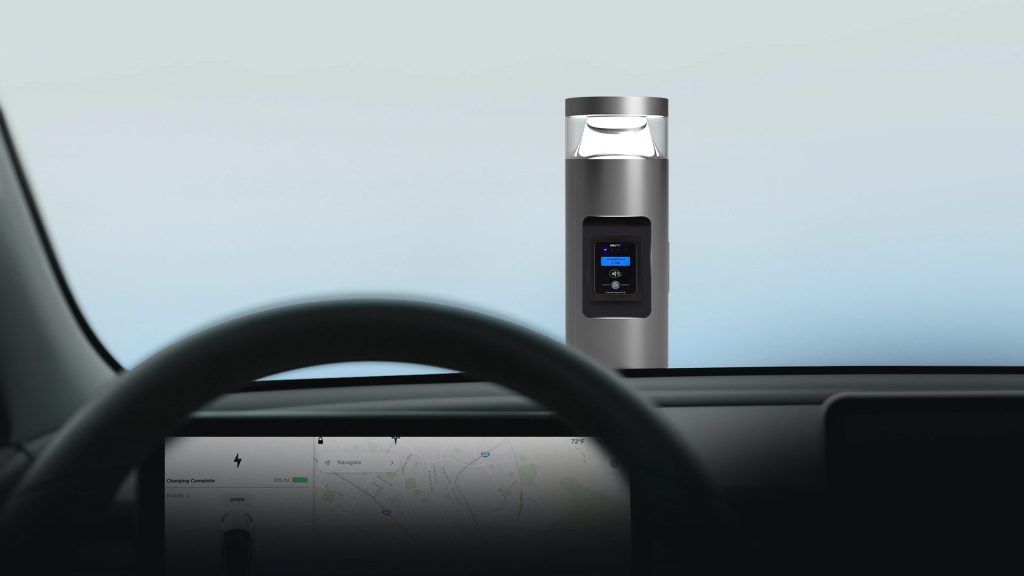
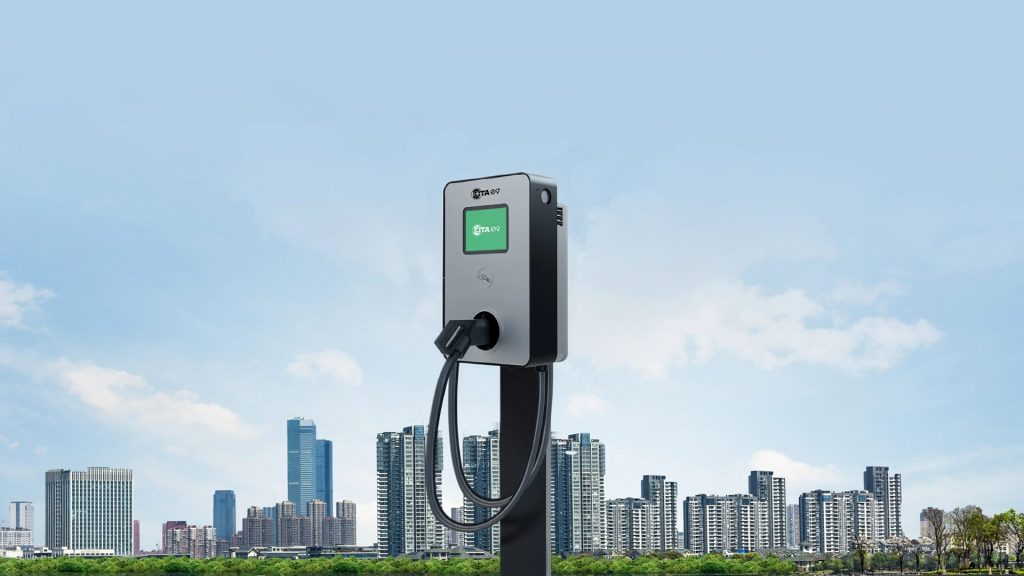
Home-based EV Charging is the clearest example of lifestyle convenience. In the UAE, most private EV owners complete the majority of their charging overnight, aligning perfectly with residential living patterns. A 7 kW to 22 kW AC home EV charger allows drivers to plug in after returning home and wake up to a fully charged vehicle – without queues, apps, or detours.
This approach works particularly well across:
- Villas and townhouses with private parking
- Apartment buildings with allocated or managed EV bays
- Gated residential communities plan long-term EV readiness
Because charging happens during downtime, it becomes an invisible part of daily life rather than an active task. Certified residential charging solutions – designed to meet local authority guidelines such as DEWA – ensure safe operation despite high temperatures and extended daily use, reinforcing trust and reliability.
Dual EV Charging: Shared Convenience for Workplaces and Communities

Making EV Charging Practical in Shared Environments
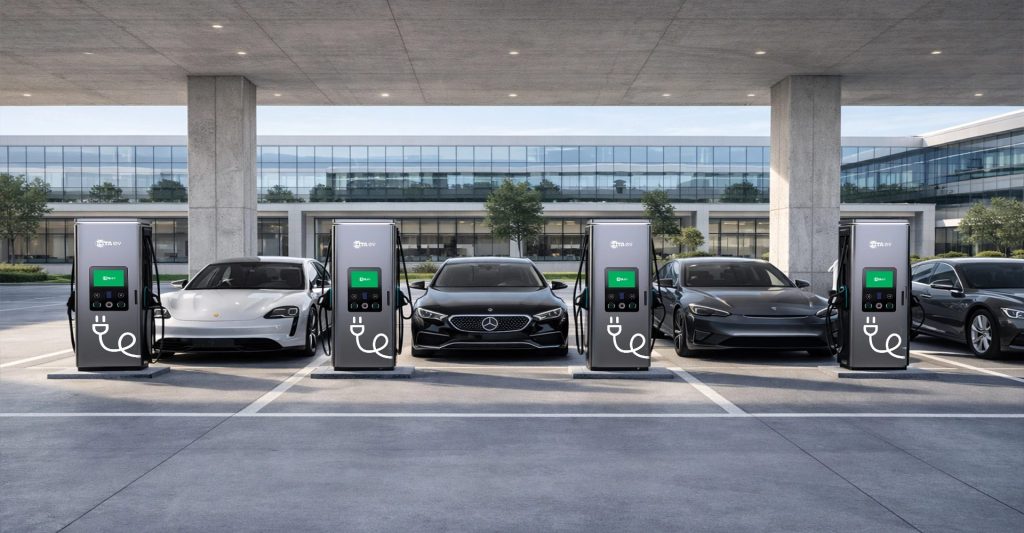
As EV ownership grows, the UAE is seeing increased demand in shared parking environments. Dual EV Charging systems, typically offering 44 kW AC capacity, are designed to support two vehicles charging simultaneously without doubling the infrastructure footprint. This makes them ideal for locations where multiple users rely on predictable daily charging.
Dual charging is particularly effective in:
- Office and business park parking areas
- Residential buildings with shared EV bays
- Hotels, serviced apartments, and mixed-use developments
- Commercial facilities with employee EV usage
In these settings, dual EV Charging reduces wait times, improves charger availability, and supports fair access. Smart load management and centralized monitoring – commonly used in UAE installations – ensure that shared charging remains efficient without overloading electrical systems.
Fast and Super-Fast EV Charging: Powering High-Demand Mobility

Where Speed Defines Convenience
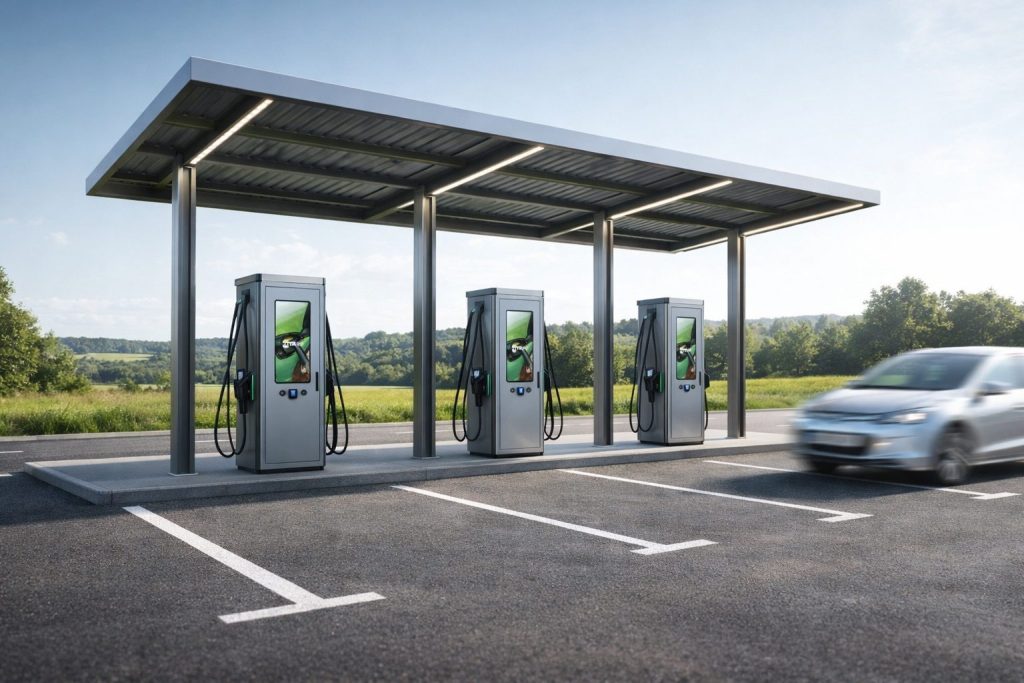
While residential and workplace charging cover daily needs, high-mobility operations depend on speed. Fast and ultra-fast EV Charging, ranging from 60 kW to 360 kW DC chargers, supports environments where vehicles operate continuously and downtime directly impacts productivity.
These charging solutions are typically deployed across:
- Fleet depots and logistics hubs
- Taxi, ride-hailing, and delivery operations
- Retail locations with rapid vehicle turnover
- Highway corridors connecting emirates
- Industrial and heavy commercial zones
In these use cases, EV Charging is not just convenient – it is operationally critical. Rapid charging enables vehicles to return to service quickly, making electric mobility viable for intensive commercial use.
In the UAE’s connected cities and trade corridors, this form of charging supports economic efficiency while aligning with national sustainability goals.
How Different EV Charging Types Fit Everyday UAE Use
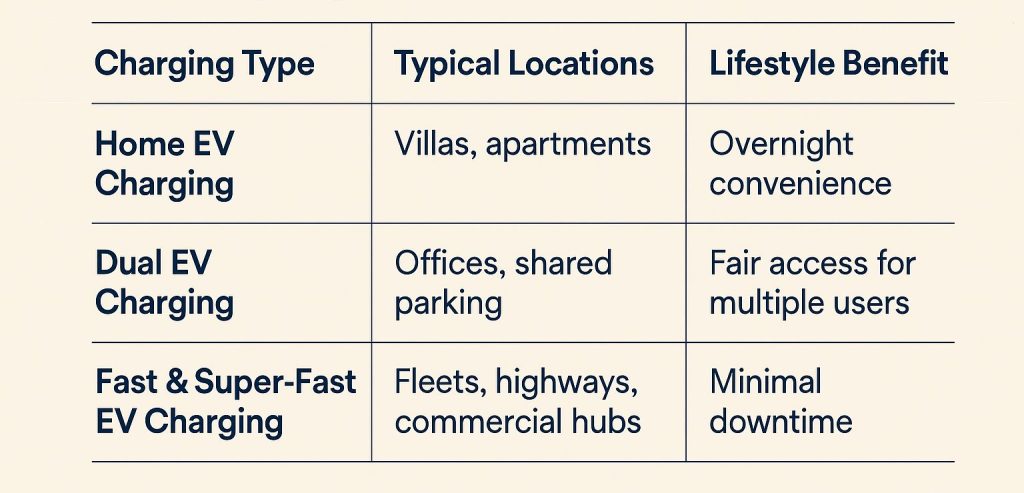
This structure highlights how EV Charging adapts to usage intensity rather than forcing users to adapt to infrastructure.
Why EV Charging Is Becoming a Lifestyle Standard in the UAE

Across the UAE, EV Charging is moving beyond infrastructure planning and becoming part of everyday living.
As electric vehicles increase on local roads and charging points expand across residential communities, business districts, and highways, charging solutions are now expected to be reliable, climate-ready, and easy to manage.
This shift reflects how EV owners in the UAE want charging to fit naturally into their routines – without extra planning, delays, or complexity.
1) Trust Built Through Local Standards and Approvals
In the UAE, confidence in EV Charging starts with compliance. Charging systems that meet local authority requirements are designed to handle regional electrical conditions, temperature extremes, and continuous daily use.
Guidelines and approvals from authorities such as DEWA play a critical role in ensuring that chargers installed in homes, workplaces, and public locations meet safety and performance expectations.
For homeowners and businesses alike, this reliability means charging becomes a routine activity rather than a technical concern, supporting everyday EV use with peace of mind.
2) Smart Charging That Matches Modern UAE Living
Smart EV Charging aligns well with the UAE’s digitally connected lifestyle. Mobile apps and centralized platforms allow users to monitor charging, manage access, and track usage from anywhere.
Whether it’s a homeowner scheduling overnight charging or a facility manager overseeing multiple chargers, this digital control turns charging into a predictable, managed utility.
3) Charging Where People Already Spend Their Time
A key reason EV Charging feels convenient in the UAE is its placement. EV Chargers are increasingly found in villas, residential towers, office parking areas, shopping malls, and hospitality destinations.
EV owners simply charge while they sleep, work, or shop, making EV charging a background activity that blends seamlessly into daily life.
4) Charging Options That Reflect Different Usage Patterns
The UAE’s EV ecosystem supports varied lifestyles. Residential AC charging suits daily commuting, and dual charging supports shared parking at workplaces and communities, while fast and ultra-fast DC charging serves fleets, taxis, and logistics operations.
This layered approach ensures EV Charging adapts to how vehicles are used across the country, from private homes to high-demand commercial zones.
5) Sustainability Without Sacrificing Comfort or Efficiency
For many UAE residents and organisations, EV Charging represents a practical step toward sustainability without compromising convenience. Quiet operation, predictable charging times, and easy access allow EV owners to support cleaner mobility while maintaining the comfort and efficiency expected in modern UAE living.
This balance makes EV adoption feel like a natural lifestyle upgrade rather than a behavioural shift or operational adjustment.
Making EV Charging Work for Every Use Case

As EV Charging becomes a daily expectation, choosing reliable and adaptable solutions matters. CITA EV Charger, trusted by thousands of users across 35+ countries, supports this ecosystem with certified home chargers, dual charging systems for shared spaces, and fast to super-fast DC solutions for high-demand operations.
Explore CITA EV Charging solutions or connect with the CITA team to identify the right charging approach for your home, workplace, or business environment in the UAE.