Skip to content







The UAE Electric Vehicle Market is entering a new stage of growth as electric mobility expands from individual EV ownership into large-scale public charging, commercial fleets, residential infrastructure and ultra-fast charging networks.
Dubai provides one of the clearest indicators of that acceleration. By the end of 2025, the emirate had 47,944 electric vehicles, compared with 37,486 a year earlier, representing an increase of 27.9% in a single year. Dubai’s EV charging infrastructure has expanded alongside that growth, reaching 2,223 charging points by the end of Q1 2026, including DEWA infrastructure and charging points operated by licensed partners.
The national direction is equally significant. Under the UAE’s National Electric Vehicles Policy, the country aims to increase the share of electric vehicles to 50% of total vehicles on UAE roads by 2050, supported by charging-network expansion and cooperation between federal and local stakeholders.
These developments suggest that the next phase of the UAE Electric Vehicle Market will be defined not only by how many electric cars are sold but also by how effectively charging infrastructure can support homes, workplaces, fleets, public transport and high-utilisation commercial locations.
UAE EV Market in 2026: Key Indicators

Rather than relying on conflicting commercial market-size estimates, the clearest picture of EV adoption in the UAE comes from actual vehicle registrations, charging utilisation and infrastructure expansion.
| UAE EV Indicator | Latest Development |
|---|---|
| Dubai EV population | 47,944 EVs by end-2025 |
| Annual Dubai EV growth | 27.9% from 2024 to 2025 |
| Dubai charging network | 2,223 charging points by end-Q1 2026 |
| UAE national ambition | EVs to reach 50% of vehicles on UAE roads by 2050 |
| Abu Dhabi ultra-fast expansion | 50+ Barq chargers rated at 360kW |
| Dubai Taxi charging expansion | 208 ultra-fast charge points planned through DEWA partnership |
Dubai’s EV growth is already translating into higher infrastructure utilisation. DEWA reported that its EV Green Charger initiative supplied more than 55,200MWh of electricity during 2025, supporting more than 276 million kilometres of EV travel.
This is an important shift. EV charging in the UAE is no longer an emerging amenity – it is becoming part of mainstream transport and energy infrastructure.
What's Driving Electric Vehicle Growth in the UAE?

Several structural factors are supporting the continued expansion of the UAE Electric Vehicle Market and the country’s broader transition towards electric mobility.
1) National EV Policy and Net-Zero Objectives
The UAE’s National Electric Vehicles Policy establishes a federal framework for accelerating electric mobility and expanding the country’s charging network.
Its long-term objective of EVs accounting for 50% of vehicles on UAE roads by 2050 connects transport electrification with the country’s wider environmental and energy objectives.
For businesses, property owners and fleet operators, this policy direction provides an important signal: EV infrastructure requirements are likely to grow substantially over the coming decades as the UAE Electric Vehicle Market continues to expand.
2) Rapid Expansion of Dubai's Charging Network
Dubai’s infrastructure is scaling quickly.
DEWA’s network had expanded to more than 1,860 charging points by the end of 2025 and then reached 2,223 points by the end of Q1 2026, demonstrating the rapid development of EV charging infrastructure in the UAE.
The infrastructure model is also changing.
Dubai now operates under a formal regulatory framework that allows independent Charge Point Operators (CPOs) to develop and operate public charging infrastructure after obtaining the appropriate DEWA licence.
That creates greater scope for private investment in charging networks across retail destinations, car parks, residential communities, commercial properties and fleet locations.
3) High-Power Charging for Fleets and Mobility Operators
The UAE Electric Vehicle Market is also moving towards significantly higher charging power.
In Dubai, DEWA entered a long-term partnership with Dubai Taxi Company for the deployment of 208 ultra-fast EV charge points across taxi locations. It has also partnered with Parkin to install chargers at key parking locations and with ENOC to expand fast charging at service stations.
These projects demonstrate how fleet electrification in the UAE changes charging requirements.
A private EV parked overnight may be adequately served by AC charging. A taxi, limousine, logistics vehicle or commercial fleet cannot necessarily remain stationary for several hours between shifts.
For these applications, charger power, uptime, thermal performance and availability become commercially important.
4) Abu Dhabi Is Expanding Ultra-Fast Charging
Abu Dhabi is developing its charging infrastructure in parallel.
In January 2026, the Department of Energy and TAQA Distribution launched Barq, an ultra-fast charging initiative that includes more than 50 chargers rated at 360kW across strategic locations in Abu Dhabi, Al Ain and Al Dhafra. The network is designed around high-speed, reliable public EV charging in the UAE.
This development reinforces a broader UAE trend: charging infrastructure is moving beyond basic public AC charging towards high-power, digitally managed and strategically located networks.
What UAE EV Growth Means for Charging Infrastructure

Growth in the UAE Electric Vehicle Market creates different infrastructure requirements depending on where vehicles spend their time.
1) Residential EV Charging
For many EV owners, the most convenient charging location remains home.
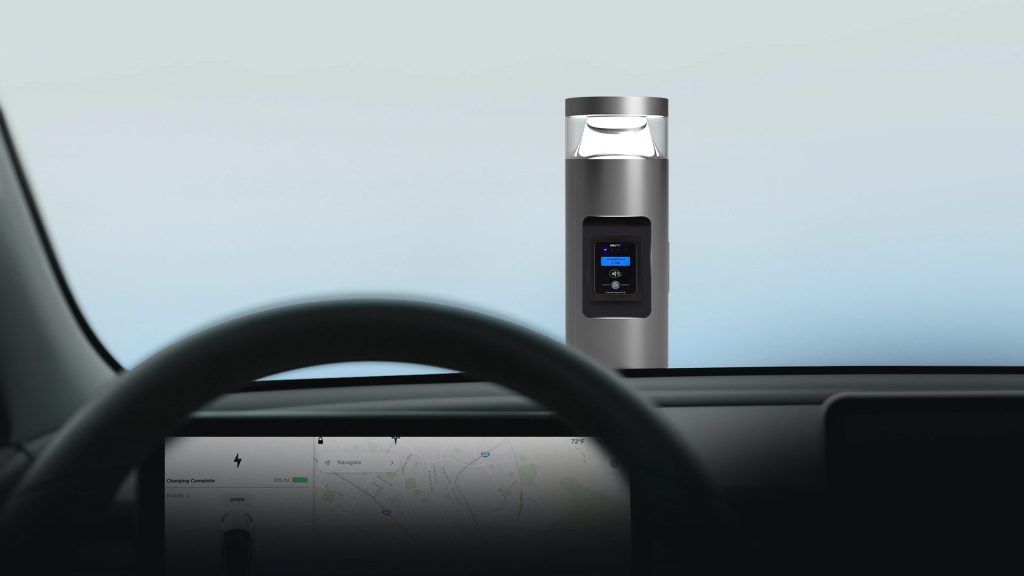
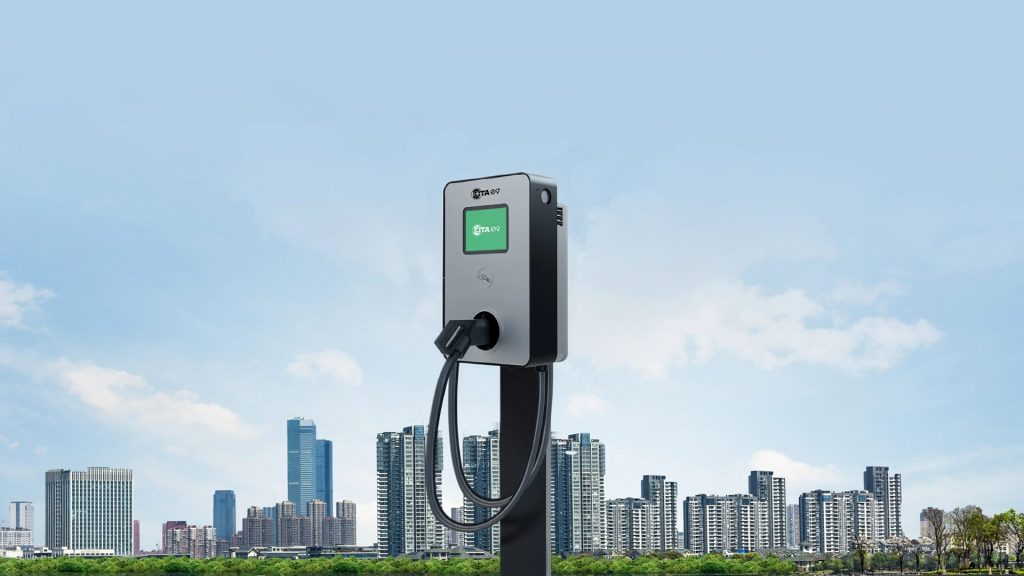
CITA EV provides 7kW, 11kW and 22kW AC charging solutions for residential applications. Charger selection should be based on the vehicle’s onboard AC charging capability, available electrical supply and the amount of time the EV remains parked.
Higher charging power does not automatically mean faster charging. If an EV accepts a maximum of 11kW AC, connecting it to a 22kW charger will not make that particular vehicle charge at 22kW.
For UAE installations, environmental protection is also important. CITA’s AC charging range provides IP65 and IK10 protection, supporting use in demanding parking and outdoor environments.
2) Workplace, Hospitality and Destination Charging
Offices, hotels, residential developments, shopping destinations and other properties typically have longer vehicle dwell times.
For these locations, commercial EV charging solutions can often provide sufficient energy without requiring the electrical capacity associated with high-power DC infrastructure.
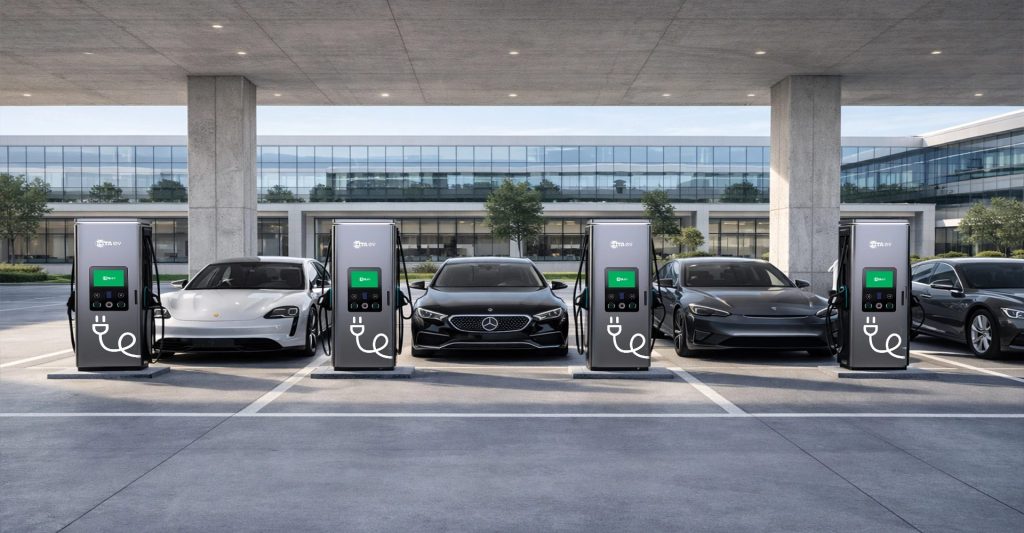
CITA’s 44kW Dual AC Charger, for example, allows two vehicles to charge simultaneously and can support commercial properties where multiple users require access to charging.
3) Fleet and Public DC Charging
Fleet depots, taxi operations, logistics facilities and public charging hubs have very different operational requirements.
Charging speed affects vehicle turnaround, while charger availability can affect how many vehicles a site can serve each day.
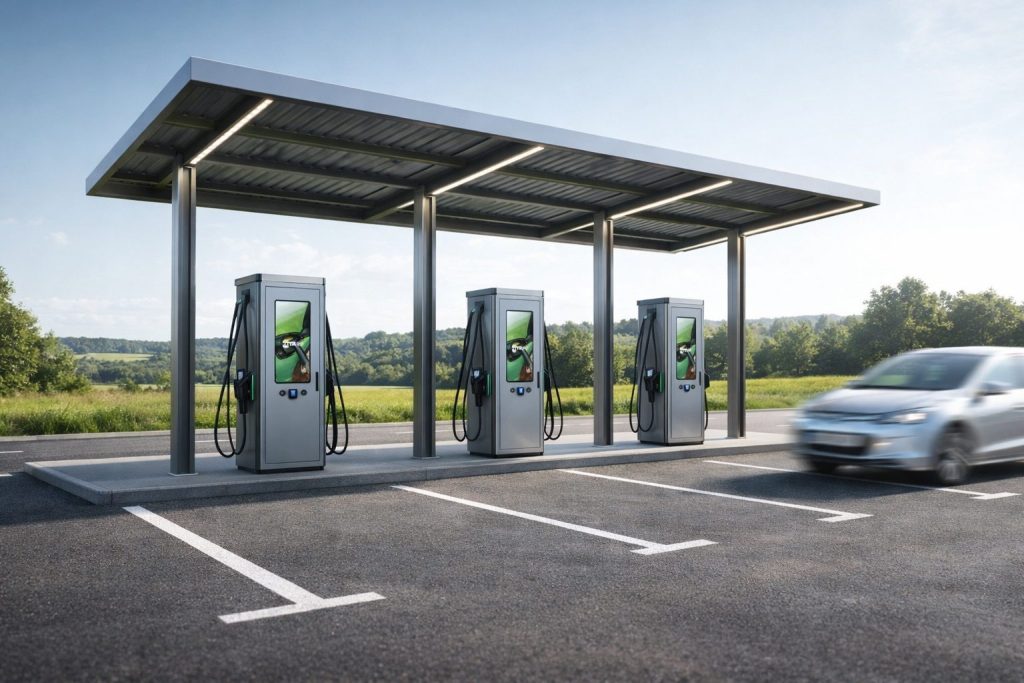
CITA’s current DC portfolio includes the 40kW Smart DC, 80–160kW Smart DC Eco, and 200–480kW Smart DC Pro, providing different power levels for commercial, fleet and DC fast charging in the UAE.
Selecting the correct charger should consider:
- Vehicle maximum DC charging rate
- Daily vehicle throughput
- Available site power
- Simultaneous charging demand
- Battery charging curves
- Charger utilisation
- Future expansion
- Required uptime
For high-utilisation sites, the highest charger rating alone does not determine performance. The entire electrical and operational architecture needs to support the required charging load.
Smart Charging is Becoming Part of the UAE EV Ecosystem

As the UAE Electric Vehicle Market and its charging networks become larger, software becomes increasingly important.
A standalone charger may be manageable individually, but fleets, commercial properties and CPOs need visibility across multiple charge points.
CITA supports smart EV charging in the UAE through the CITA EV App and Charge Point Management System (CPMS), allowing compatible charging infrastructure to be monitored and managed digitally.
Depending on configuration, connected management can support charger-status visibility, charging-session monitoring, user management, energy tracking and multi-charger network supervision.
CITA EV chargers also support OCPP connectivity, enabling compatible equipment to communicate with charging-management platforms.
This aligns with the direction of the wider UAE charging market, where connected infrastructure, digital access and central charger management are becoming increasingly important.
UAE EV Market Outlook Towards 2030 and Beyond

The UAE Electric Vehicle Market is still developing, but the direction is clear.
Dubai’s EV population grew 27.9% in 2025, its charging network exceeded 2,200 points in early 2026, private CPO participation is expanding and major fleet-charging projects are moving towards ultra-fast EV charging infrastructure.
At the national level, the objective of EVs reaching 50% of vehicles on UAE roads by 2050 provides a much longer runway for infrastructure development.
Rather than focusing on one speculative market-value forecast, the stronger indicators to watch over the coming years will be:
- EV registrations
- EV share of new vehicle sales
- Public charging-point growth
- Private CPO investment
- Fleet electrification
- Ultra-fast charging deployment
- Residential and workplace charging adoption
- Charger utilisation
These metrics will show how quickly electric mobility is becoming integrated into everyday transport across the Emirates.
CITA EV Charger Supporting the UAE's Growing EV Market
As the UAE Electric Vehicle Market grows, charging requirements will become increasingly diverse.
A villa owner needs a very different solution from a hotel, property developer, logistics fleet or high-utilisation public charging operator.
CITA EV Charger supports this transition with solutions spanning 7kW residential AC charging, 44kW Dual AC destination charging and DC fast charging up to 480kW, complemented by the CITA EV App, CPMS and connected charger management.
The objective is not simply to install more chargers. It is to deploy the right charging capacity, at the right location, with the connectivity and support required for reliable long-term operation.
As EV adoption in the UAE accelerates towards 2030 and beyond, scalable and dependable charging infrastructure will become one of the foundations of the country’s electric mobility ecosystem.
Planning an EV charging project in the UAE?
Contact CITA EV Charger to discuss residential, commercial, fleet or public charging solutions designed around your vehicles, site capacity and operational requirements.
Frequently asked questions
The UAE Electric Vehicle Market is expanding rapidly as EV adoption, public charging infrastructure and fleet electrification increase. Dubai alone reached 47,944 electric vehicles by the end of 2025, representing 27.9% year-on-year growth, while its charging network exceeded 2,200 charging points in early 2026.
Under the UAE National Electric Vehicles Policy, the country aims for electric vehicles to account for 50% of all vehicles on UAE roads by 2050. Expanding EV charging infrastructure and encouraging electric mobility are important parts of achieving this long-term objective.
Dubai’s EV charging network reached 2,223 charging points by the end of Q1 2026, including DEWA infrastructure and charging points operated by licensed partners. The network is expected to continue expanding as EV adoption and private Charge Point Operator participation increase.
Growth in the UAE Electric Vehicle Market is being supported by government policies, increasing EV adoption, expansion of public and private charging networks, fleet electrification, investment from Charge Point Operators and the deployment of fast and ultra-fast EV charging infrastructure.
The UAE requires a combination of charging solutions. 7kW, 11kW and 22kW AC chargers are suitable for homes and long-dwell locations, while commercial properties can use higher-capacity 44 kW Dual AC solutions. Fleets, taxis, highways and public charging hubs increasingly require upto 480 kW DC fast and ultra-fast chargers to provide faster vehicle turnaround.