Skip to content







EV Charger Regulation 2026 is shaping the next phase of electric mobility in the UAE as the country rapidly transitions toward a sustainable transport future. With EV adoption accelerating under the Net Zero 2050 strategy, the UAE government is moving from incentives to structured regulations that govern how EV chargers are installed, operated, and managed.
The country already has one of the fastest-growing EV ecosystems in the Middle East, with more than 1,500 public charging points in Dubai alone and thousands more planned nationwide.
As infrastructure expands, regulations are evolving to ensure safety, grid stability, and standardised deployment of electric vehicle chargers across the country.
Key Highlights
- EV Charger Regulation 2026 will standardise EV charging rules across the UAE.
- Stricter safety and certification standards are expected.
- Smart charging may become mandatory for new installations.
- Expanded operator licensing will improve compliance.
- EV-ready buildings and regulated tariffs will shape deployment.
Why EV Charging Regulations Are Tightening in the UAE
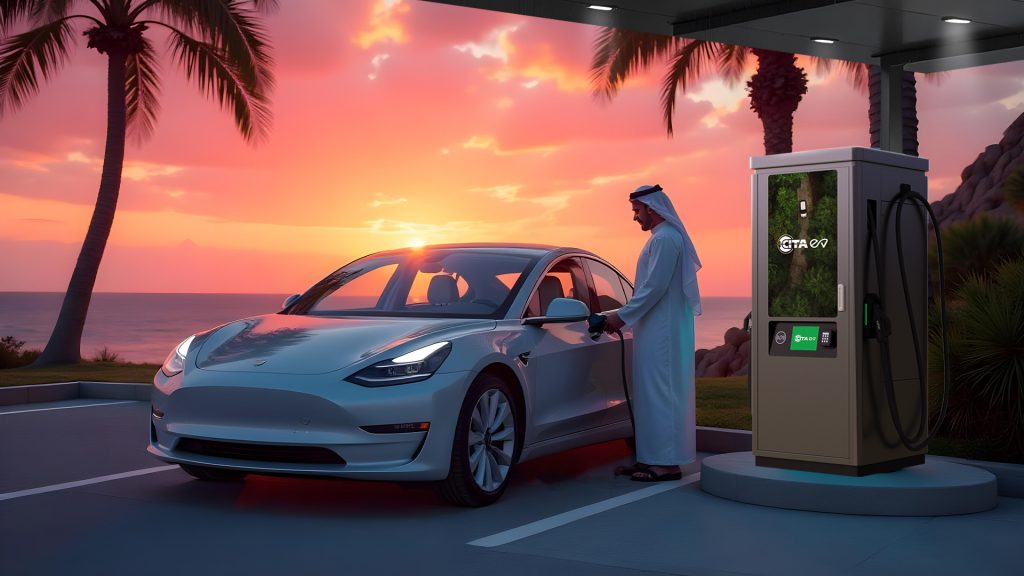
The UAE’s EV transition is no longer experimental – it’s now infrastructure-led. As more residents adopt electric vehicles and businesses electrify fleets, unregulated EV charging installations can create risks such as grid overload, electrical hazards, and inconsistent user experience.
To address this, regulators like DEWA (Dubai Electricity and Water Authority) and other emirate-level authorities have already introduced structured EV charging frameworks. The EV Charger Regulation 2026 should be seen as an evolution of existing policies, pushing the UAE toward a more standardised and scalable EV charging ecosystem.
Existing EV Charging Regulations (2024-2025 Foundations)
Before understanding 2026, it’s important to know what’s already in place.
In 2024, Dubai introduced a formal EV Charging Infrastructure Regulation that governs installation approvals, technical standards, and operator licensing. This regulation requires DEWA approval before deploying most public EV chargers and ensures that infrastructure aligns with grid and safety standards.
In 2025, enforcement expanded further with stricter compliance requirements for charge point operators (CPOs). Public charging networks must now meet licensing standards, creating accountability across the EV charging ecosystem.
These steps form the regulatory backbone that EV Charger Regulation 2026 will build upon.
Key Objectives of EV Charger Regulation 2026
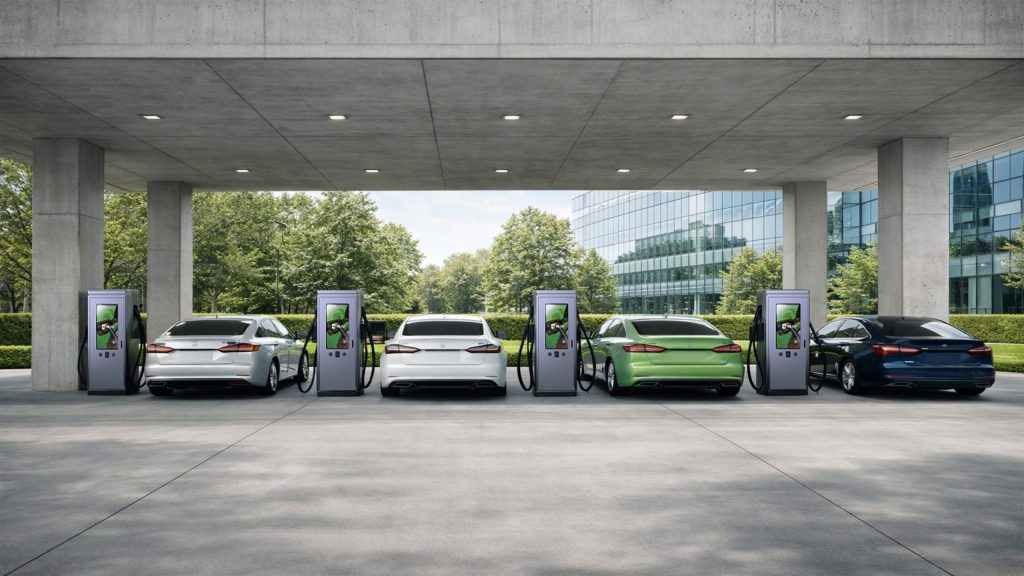
The 2026 framework is expected to strengthen three major areas: safety, interoperability, and scalability.
1) Stronger Safety and Certification Standards
Authorities are increasingly prioritising certified EV charger hardware. Future regulations are expected to mandate internationally compliant electric vehicle chargers that meet IEC and ISO safety standards.
This means uncertified imports or non-compliant installations may gradually be phased out, especially in commercial environments.
2) Smart Grid Compatibility
As EV charging demand rises, unmanaged energy loads can strain national grids. Regulations are shifting toward smart EV charging solutions that support load balancing, dynamic power allocation, and intelligent monitoring.
By 2026, smart charging features may become standard requirements rather than optional upgrades.
3) Unified Standards Across Emirates
Currently, EV charging regulations vary slightly between emirates. The 2026 regulatory direction is expected to align standards nationwide, making compliance easier for developers and EV charging solution providers operating across multiple regions.
This harmonisation will support large-scale EV infrastructure expansion.
Regulated EV Charging Tariffs
Another important regulatory area is pricing transparency. UAE authorities have already introduced structured EV charging tariffs to prevent inconsistent pricing and protect consumers.
Here’s a simplified snapshot:
| EV Charger Type | Regulated Price (Approx.) |
|---|---|
| AC Charging | ~0.7 AED/kWh |
| DC Fast Charging | ~1.2 AED/kWh |
Mandatory Licensing for Public Charging Operators
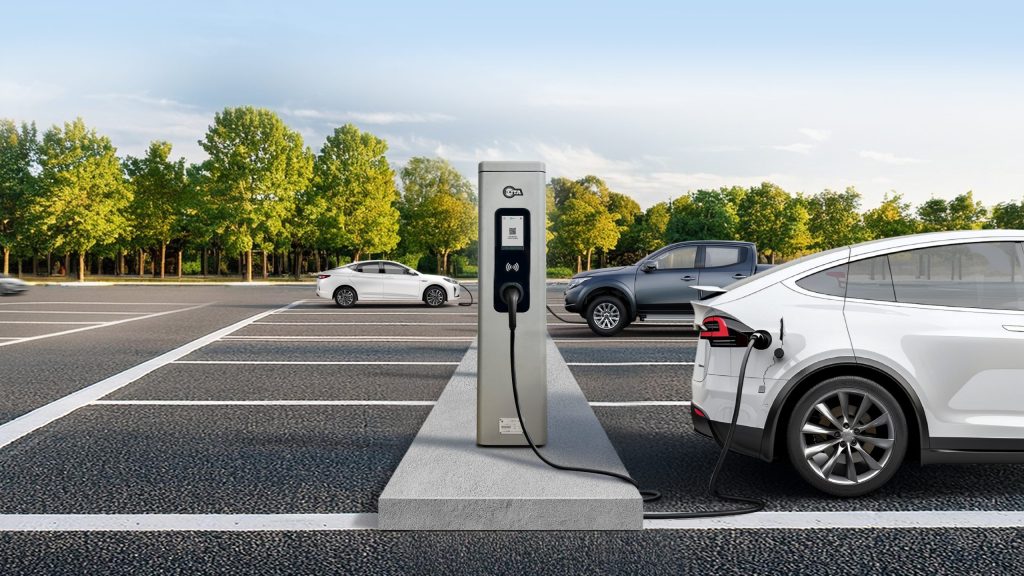
One of the biggest regulatory changes in recent years is the introduction of mandatory licensing for public EV charging operators.
Under current frameworks:
- Public charging providers must obtain regulatory approvals
- Non-compliant operators risk fines or service shutdowns
- Infrastructure must meet technical and cybersecurity standards
By 2026, licensing requirements are expected to expand further, especially as private charging networks grow.
EV-Ready Building Regulations
Another emerging trend shaping EV Charger Regulation 2026 is EV-ready construction.
New real estate developments across the UAE are increasingly required to:
- Allocate EV charging capacity in parking zones
- Install conduit provisions for future EV chargers
- Integrate smart load management systems
This shift aligns with global green building trends and makes EV infrastructure a built-in feature rather than a retrofit.
For developers, EV readiness is quickly becoming both a regulatory expectation and a market differentiator.
UAE EV Charging Growth: Key Numbers
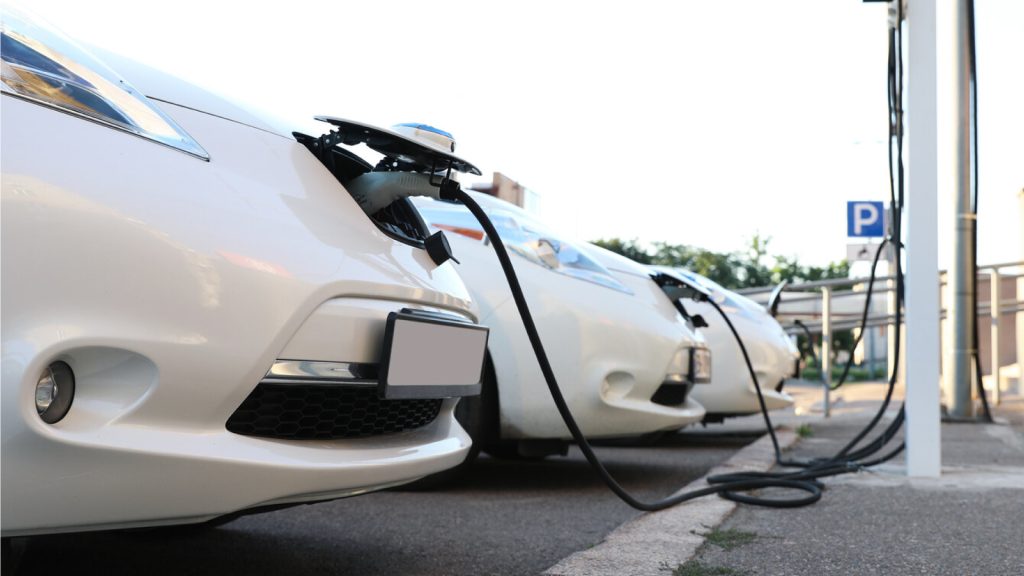
To understand why regulation is accelerating, it helps to look at the growth trajectory.
- Over 1,500 public EV chargers in Dubai
- 2,000 chargers nationwide (and growing rapidly)
- Tens of thousands projected by 2030
- EV users on DEWA’s network have grown dramatically over the past decade
These numbers highlight why structured EV charging regulations are becoming essential for maintaining grid reliability and infrastructure quality.
What EV Charger Regulation 2026 Means for EV Owners
For individual EV drivers, tighter regulations may initially feel complex, but they ultimately bring several benefits.
First, certified electric car chargers will ensure safer installations, reducing risks like overheating or electrical faults. Second, improved interoperability will ensure compatibility with future EV models and charging standards. Third, regulated pricing and infrastructure quality will create more predictable charging experiences.
In short, stronger regulations will make EV charging safer, smarter, and more reliable for everyday users.
Challenges During the Transition Period
Like any regulatory shift, EV Charger Regulation 2026 will bring transitional challenges.
Older or non-compliant electric vehicle chargers may require upgrades or replacement. Businesses with legacy infrastructure may need audits to ensure compliance.
However, these adjustments are part of building a future-ready EV ecosystem.
The long-term benefits – safer infrastructure, improved reliability, and higher consumer trust – outweigh short-term compliance efforts.
Preparing for the Next Phase of EV Mobility
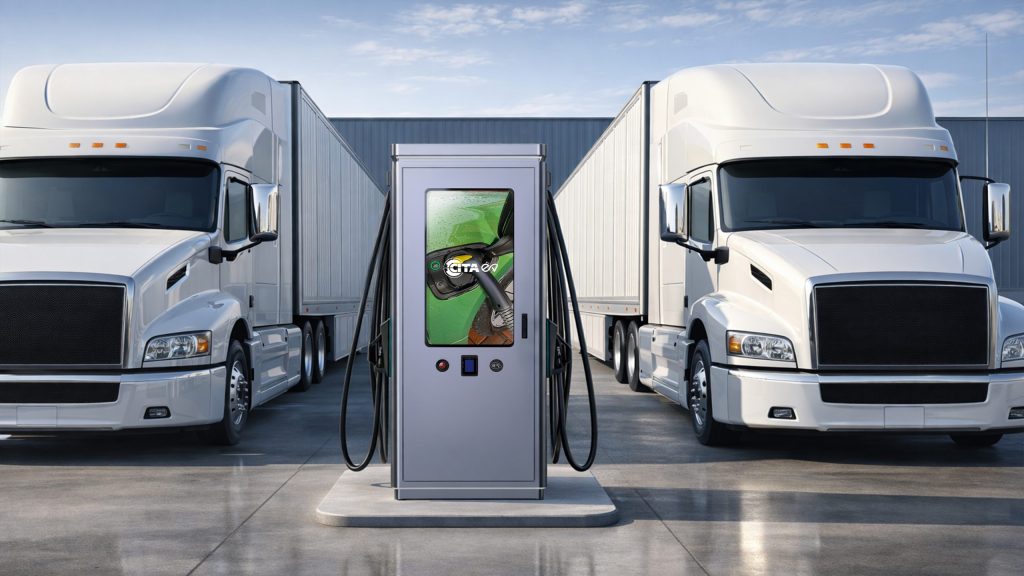
EV Charger Regulation 2026 signals a major step in the UAE’s EV maturity, focusing on safety, certification, and smarter infrastructure. As compliance becomes more important, choosing certified and future-ready electric vehicle chargers will ensure smoother approvals, safer usage, and long-term reliability.
For EV owners, developers, and businesses, preparing early is key. Working with globally compliant providers like CITA EV Charger helps ensure alignment with evolving UAE regulations while building a future-proof EV charging strategy.
Planning EV charging in the UAE?
Choose certified, regulation-ready EV charging solutions to stay future-proof.