Skip to content







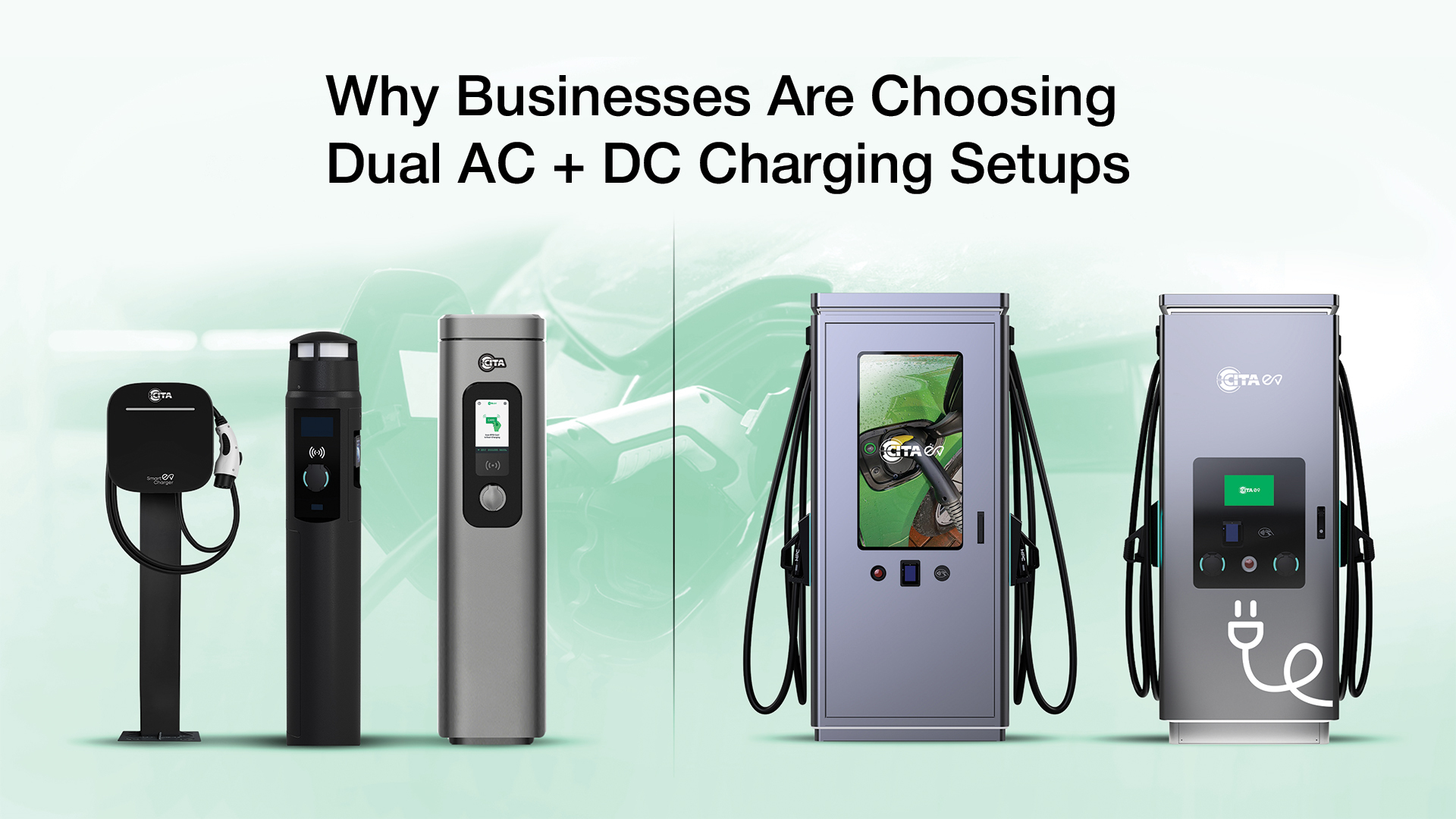
Dual AC + DC Charging Setups are becoming a key part of the UAE’s rapidly evolving EV ecosystem as businesses invest in smarter and more flexible charging infrastructure. The electric vehicle revolution is accelerating across the Middle East, and the UAE is positioning itself as one of the region’s fastest-growing EV markets.
Government sustainability initiatives, rising fuel awareness, smart city developments, and increasing EV adoption are encouraging businesses to rethink how they approach EV charging infrastructure.
According to regional industry projections, the UAE is expected to witness significant growth in electric vehicle adoption over the next few years, especially in cities like Dubai and Abu Dhabi. The expansion of Public EV Charging Stations, government-backed green mobility initiatives, and investments in smart transportation networks are driving demand for more flexible and efficient charging systems.
Understanding Dual AC + DC Charging Setups
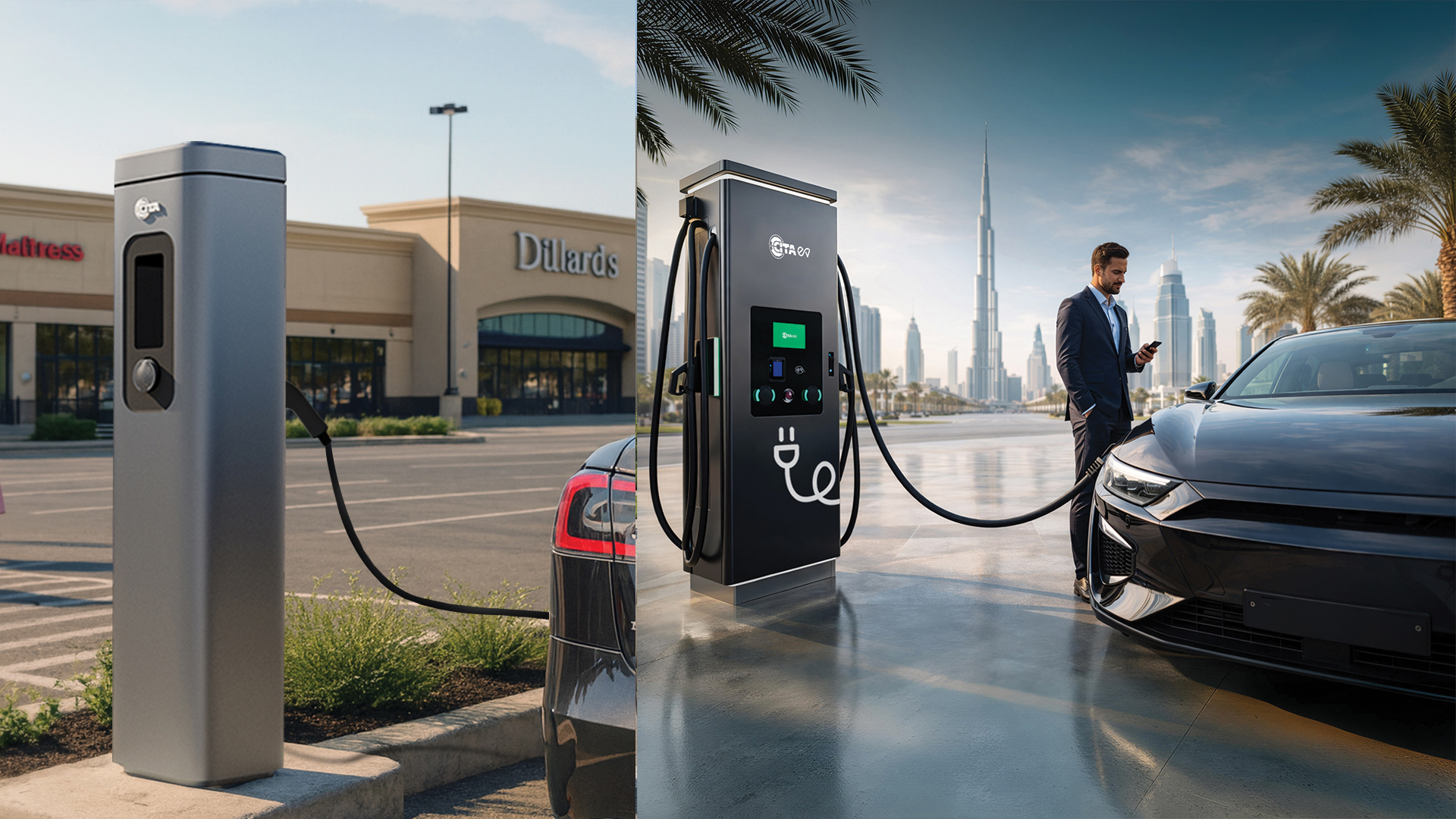
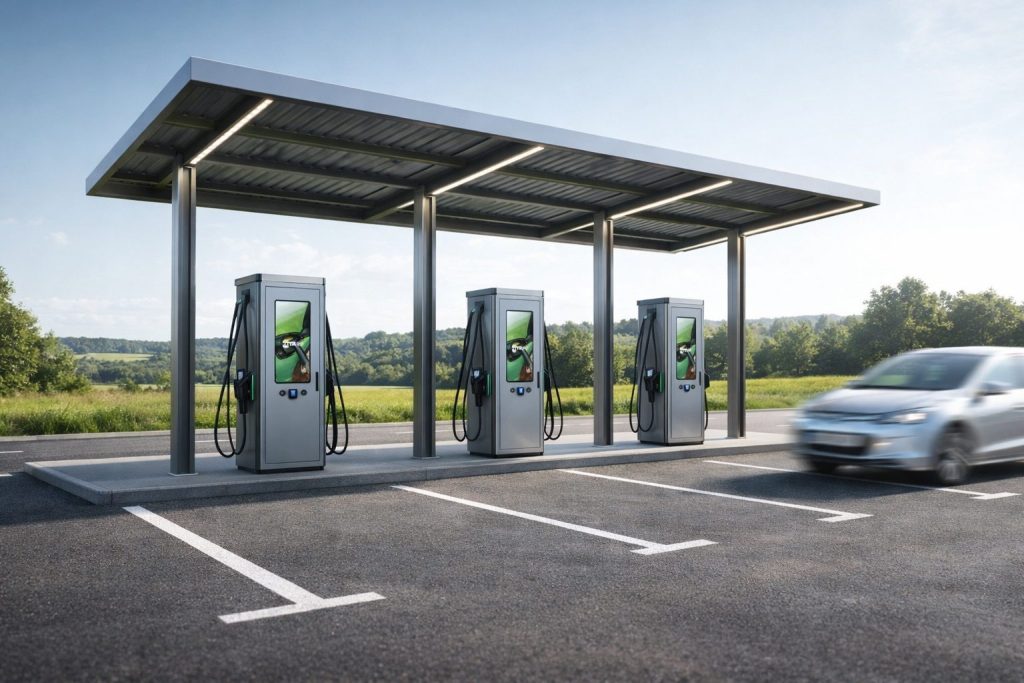
A Dual AC + DC Charging Setup combines standard AC charging units with high-speed DC chargers within the same EV charging location. This approach allows businesses to serve multiple charging needs simultaneously.
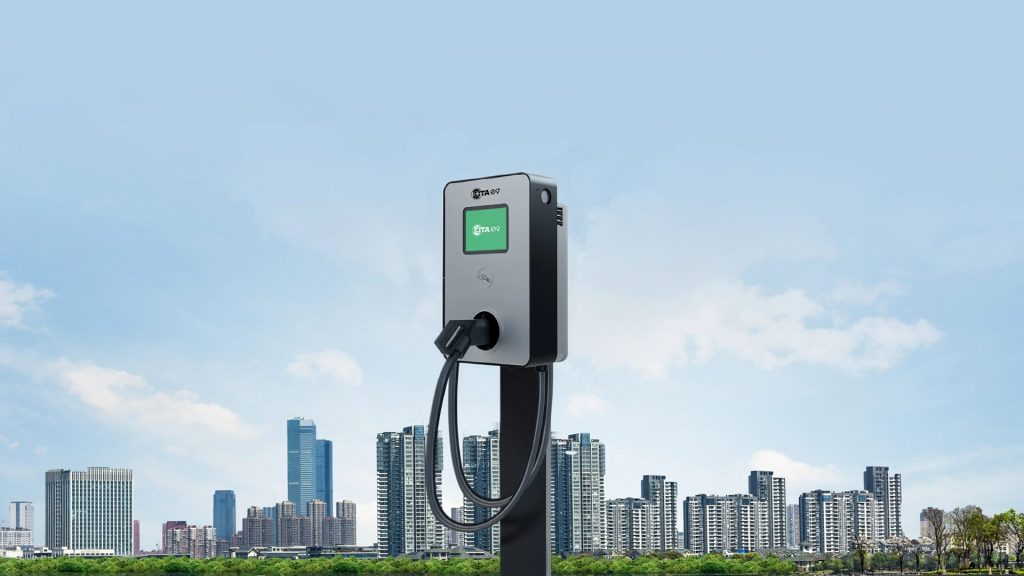
AC chargers are typically ideal for:
- Long-duration parking
- Workplace EV Charging
- Hotels and residential properties
- Employee charging
- Overnight charging sessions
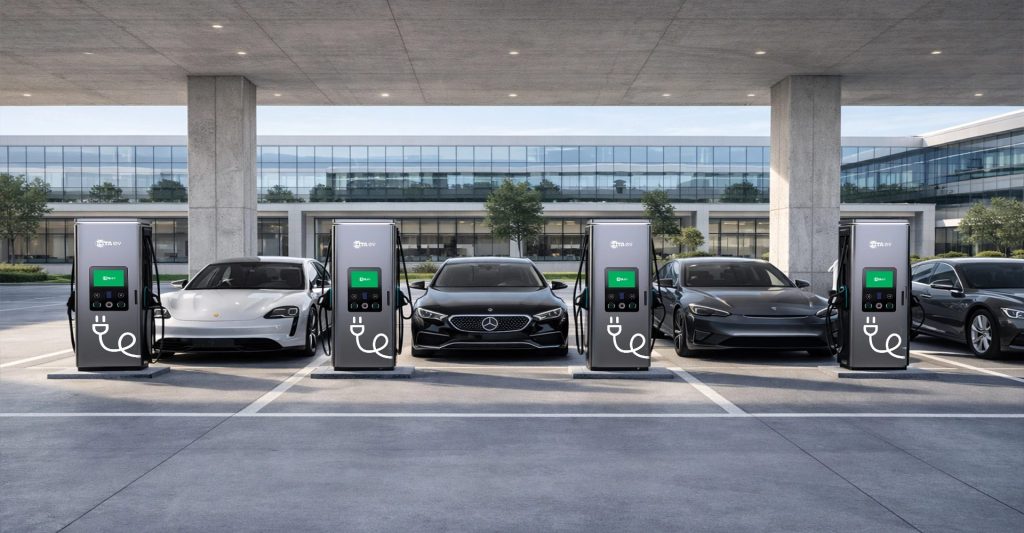
Meanwhile, DC chargers are designed for:
- Fast public charging
- Commercial fleet operations
- Highway charging corridors
- High-turnover retail locations
- Quick top-up charging needs
By integrating both AC and DC EV Chargers, businesses create a balanced EV charging ecosystem that improves operational flexibility while optimizing infrastructure investments.
Why the UAE Market is Driving Demand for Smarter EV Charging Infrastructure
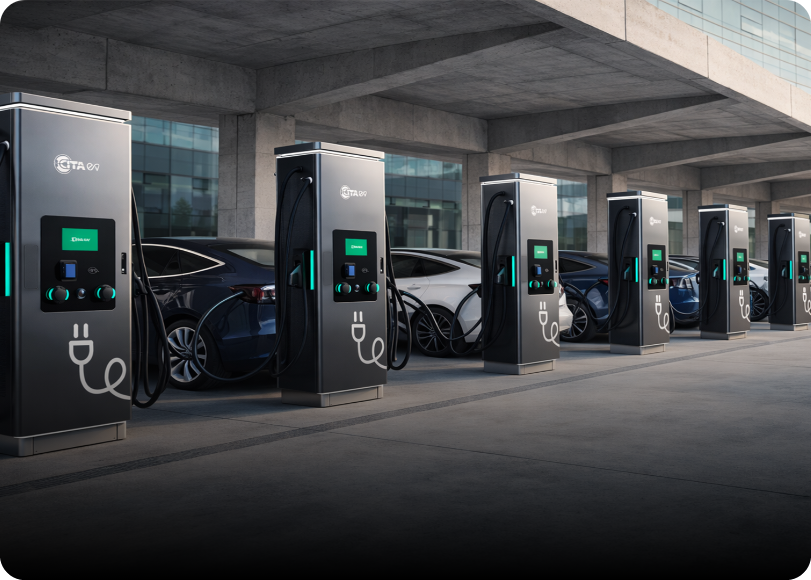
The UAE’s EV ecosystem is evolving rapidly. Major commercial hubs, retail destinations, hospitality projects, and real estate developers are increasingly incorporating EV charging facilities into their properties.
This growing demand has also increased the need for:
- Smart EV Charging Solutions
- Faster charging accessibility
- Future-ready EV Charging Infrastructure
- Scalable EV Charging Systems
- Better energy management solutions
Businesses now understand that EV charging is no longer simply an additional amenity. It has become part of customer experience, sustainability positioning, and long-term commercial competitiveness.
The Shift from Single-Type Charging to Hybrid Charging Networks
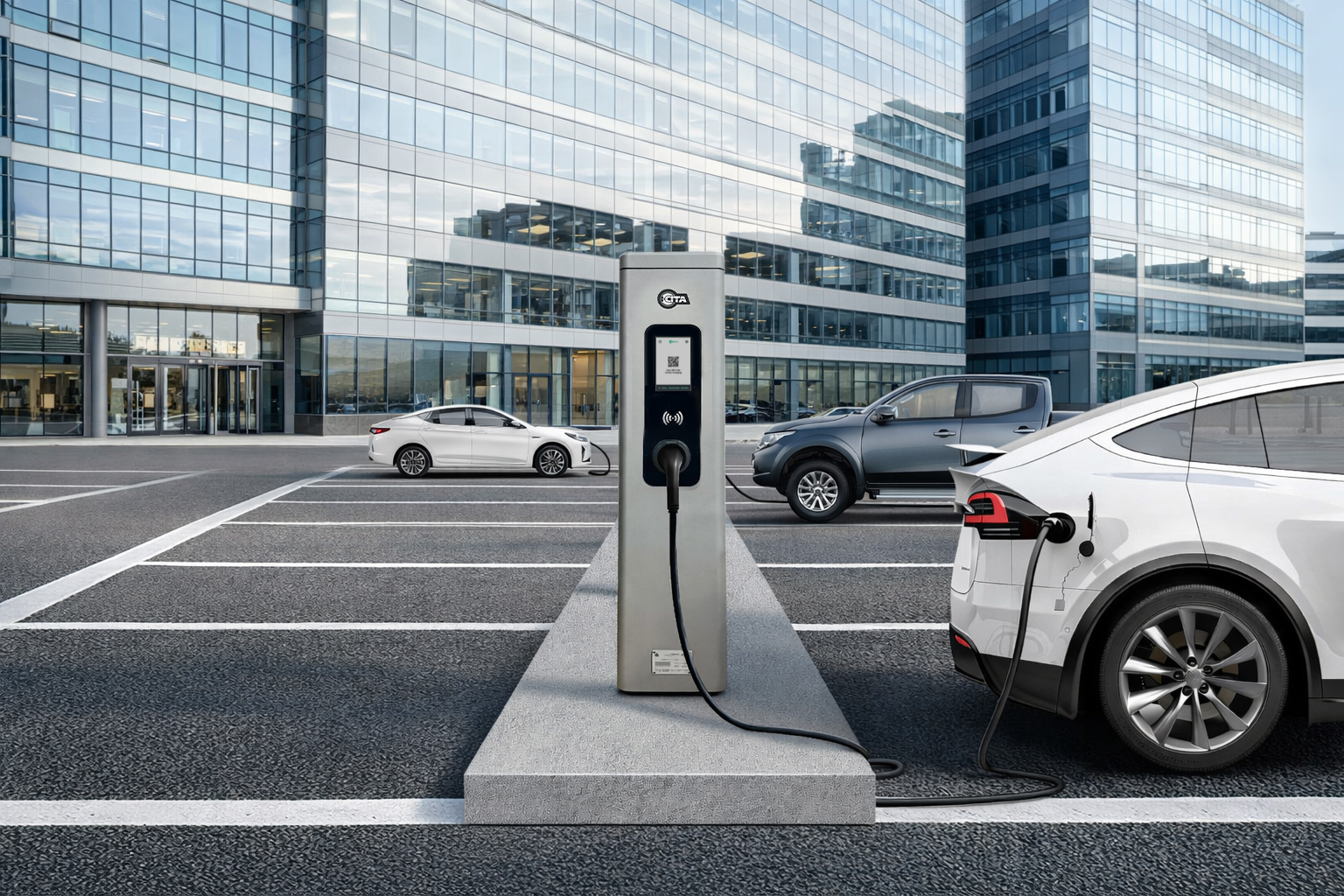
Earlier EV Charger Installation projects often focused on either AC charging or DC fast charging separately. However, businesses are now realizing that relying on only one charging type limits flexibility and user convenience.
For example:
- A shopping mall may need fast DC charging for visitors who stay for 30–45 minutes.
- The same location may also require AC chargers for employees working eight-hour shifts.
- Fleet operators may need overnight AC charging combined with rapid daytime DC charging.
This shift has made Dual AC + DC Charging Setups one of the most practical and commercially viable approaches for modern EV charging deployment.
Key Benefits of Dual AC + DC Charging Setups
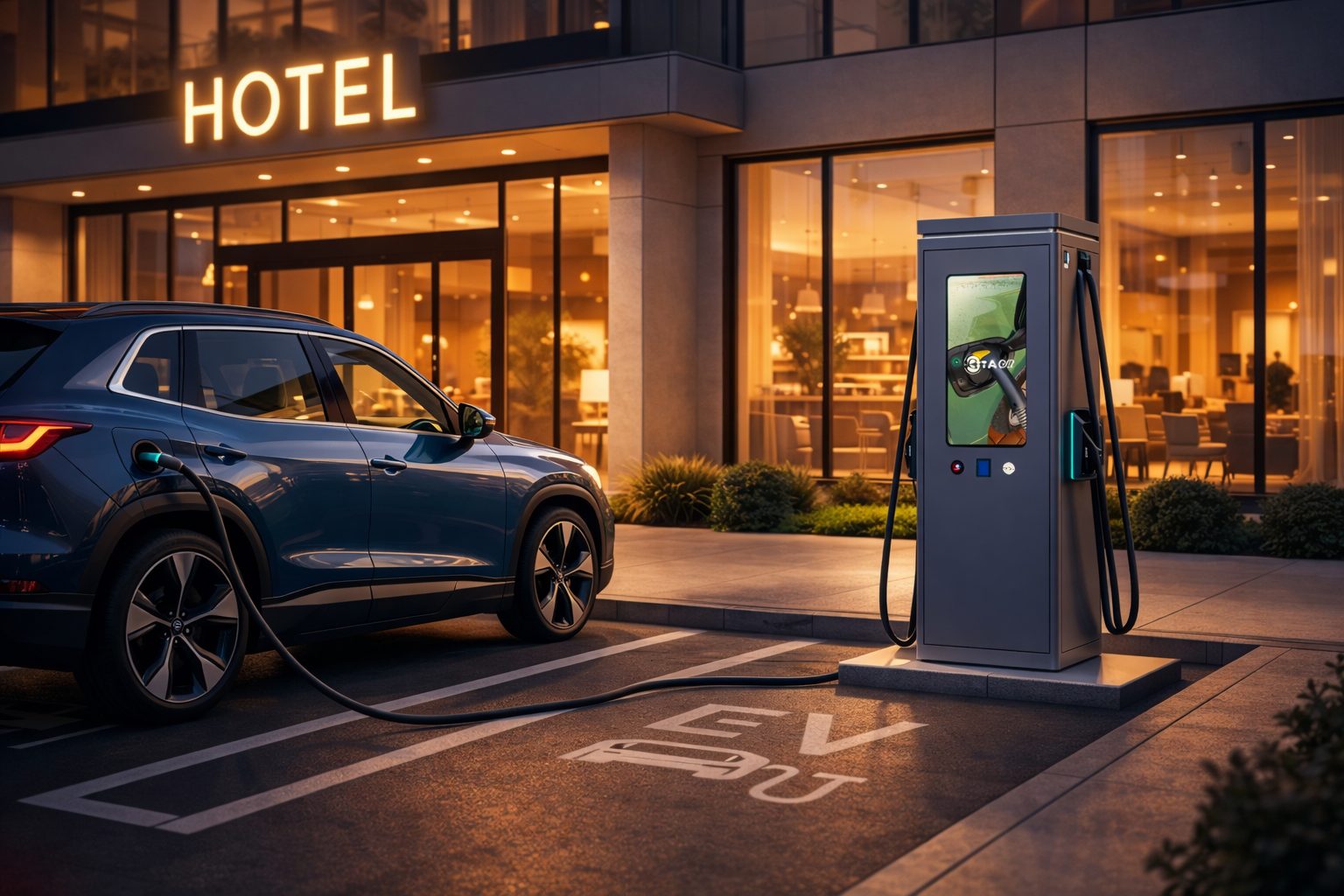
As businesses face growing EV charging demand, Dual AC + DC Charging Setups offer a smarter and more flexible approach to modern EV Charging Infrastructure.
By combining both charging technologies, businesses can improve user convenience, support multiple charging needs, and build scalable charging environments for long-term growth.
1) Supports Multiple User Types Simultaneously
One of the biggest advantages of combining AC and DC EV Chargers is the ability to serve different categories of EV users at the same location.
Some users prefer slower charging during extended parking periods, while others require quick charging for immediate travel needs. Dual charging systems help businesses accommodate both requirements without limiting charger accessibility.
This flexibility significantly improves customer satisfaction while increasing charger utilization rates.
2) Improves Revenue Opportunities for Businesses
Commercial properties are increasingly monetizing EV charging services. Businesses with Dual AC + DC Charging Setups can offer multiple pricing models based on charging speed and usage duration.
For example:
- Premium pricing for Fast DC Charging Solutions
- Standard charging rates for AC charging sessions
- Subscription-based Workplace EV Charging programs
- Fleet charging contracts for commercial operators
This diversified charging strategy creates stronger long-term revenue potential while maximizing infrastructure value.
3) Enhances Workplace EV Charging Experience
Employee charging demand is growing steadily across UAE businesses. Many organizations are introducing Workplace EV Charging to support sustainability goals and employee convenience.
AC chargers are highly suitable for employees who leave their vehicles parked throughout the workday. However, adding DC charging capability provides flexibility for:
- Visitors
- Corporate fleets
- Emergency top-up requirements
- High-priority vehicle charging
This combination helps organizations create a more efficient and employee-friendly charging environment.
4) Supports Commercial Fleet Operations
The UAE is also witnessing increased electrification in logistics, delivery services, taxis, and commercial transportation fleets.
Fleet operators require flexible Fleet EV Charging Solutions capable of handling different charging schedules. AC charging can support overnight depot charging, while DC chargers help minimize vehicle downtime during operational hours.
Businesses operating delivery fleets, ride-sharing vehicles, or commercial transport systems increasingly rely on Dual AC + DC Charging Setups to maintain operational continuity and charging efficiency.
5) Future-Proofs EV Charging Infrastructure
One of the most important reasons businesses are adopting hybrid charging systems is future scalability.
As EV adoption rises, charging behavior will continue evolving. Some vehicles will require ultra-fast charging, while others will still rely on affordable AC charging solutions.
Installing scalable EV Charging Infrastructure today allows businesses to expand gradually without needing complete system redesigns later. Scalable EV Charging Systems help businesses adapt to:
- Growing EV traffic
- Larger battery capacities
- Faster charging technologies
- Increased energy demand
This future-ready approach reduces long-term infrastructure costs and operational disruptions.
Comparison Between AC and DC Charging Solutions
| Feature | AC Charging | DC Charging |
|---|---|---|
| Charging Speed | Moderate | Very Fast |
| Ideal Use Case | Long-duration parking | Quick top-ups |
| Installation Cost | Lower | Higher |
| Power Requirement | Moderate | High |
| Best For | Offices, hotels, homes | Highways, retail, fleets |
| User Stay Duration | Several hours | 15–60 minutes |
| Infrastructure Complexity | Simpler | Advanced |
Businesses using Dual AC + DC Charging Setups benefit from the strengths of both technologies instead of relying on a single charging model.
Build Smarter EV Charging Infrastructure with CITA EV Charger
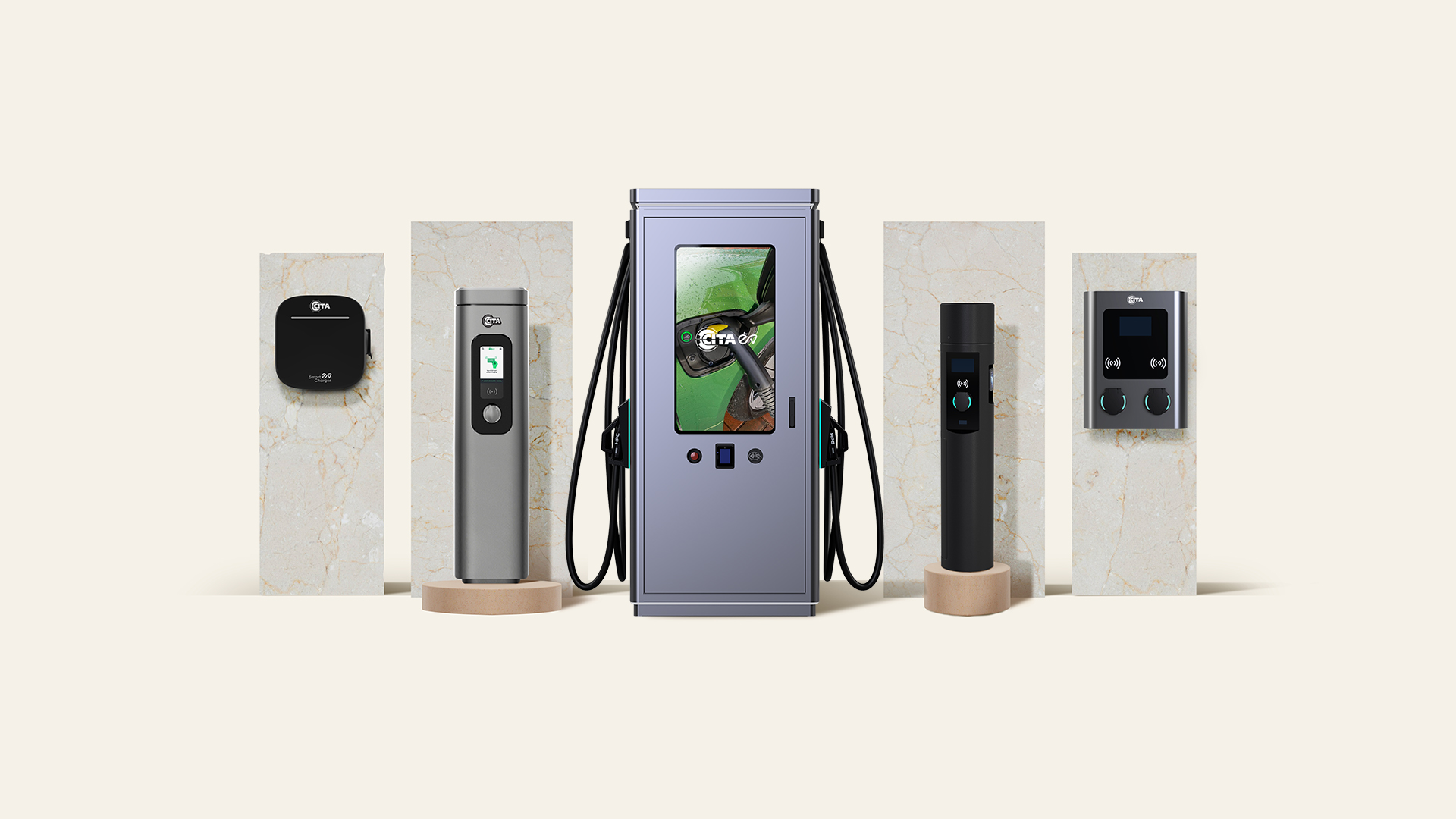
As EV adoption continues accelerating across the UAE, businesses need charging infrastructure that is flexible, scalable, and future-ready. Dual AC + DC Charging Setups provide the perfect balance between convenience, charging speed, operational efficiency, and long-term growth potential.
At CITA EV Charger, we deliver advanced Smart EV Charging Solutions designed for commercial environments, fleet operations, workplaces, retail destinations, and public charging networks. Our AC and DC EV Chargers are engineered for performance, reliability, scalability, and seamless integration with modern EV Charging Infrastructure.
Whether you are planning Commercial EV Charging Stations for a new development or upgrading your existing charging network, our experts can help you build the right solution tailored to your business needs.
Contact CITA EV Charger today for a free consultation and discover how scalable Business EV Charging Solutions can support your sustainability goals, customer experience, and long-term business growth.