Skip to content







The UAE now has over 1,000 public charging stations—and with more EVs on the road, regenerative braking is quickly becoming one of the most talked-about features among new and experienced drivers. With long city commutes, frequent stop-start traffic, and rising demand for better energy management, understanding how regenerative braking works is key to improving range, reducing energy waste, and getting more out of every charge. One feature that plays a major role in this is regenerative braking, a key technology that helps EVs recover energy and extend their driving range.
Understanding how regenerative braking works and how it interacts with EV charging habits, charger types, and overall energy use can make a noticeable difference in your day-to-day driving—and your bottom line.
What Is Regenerative Braking?
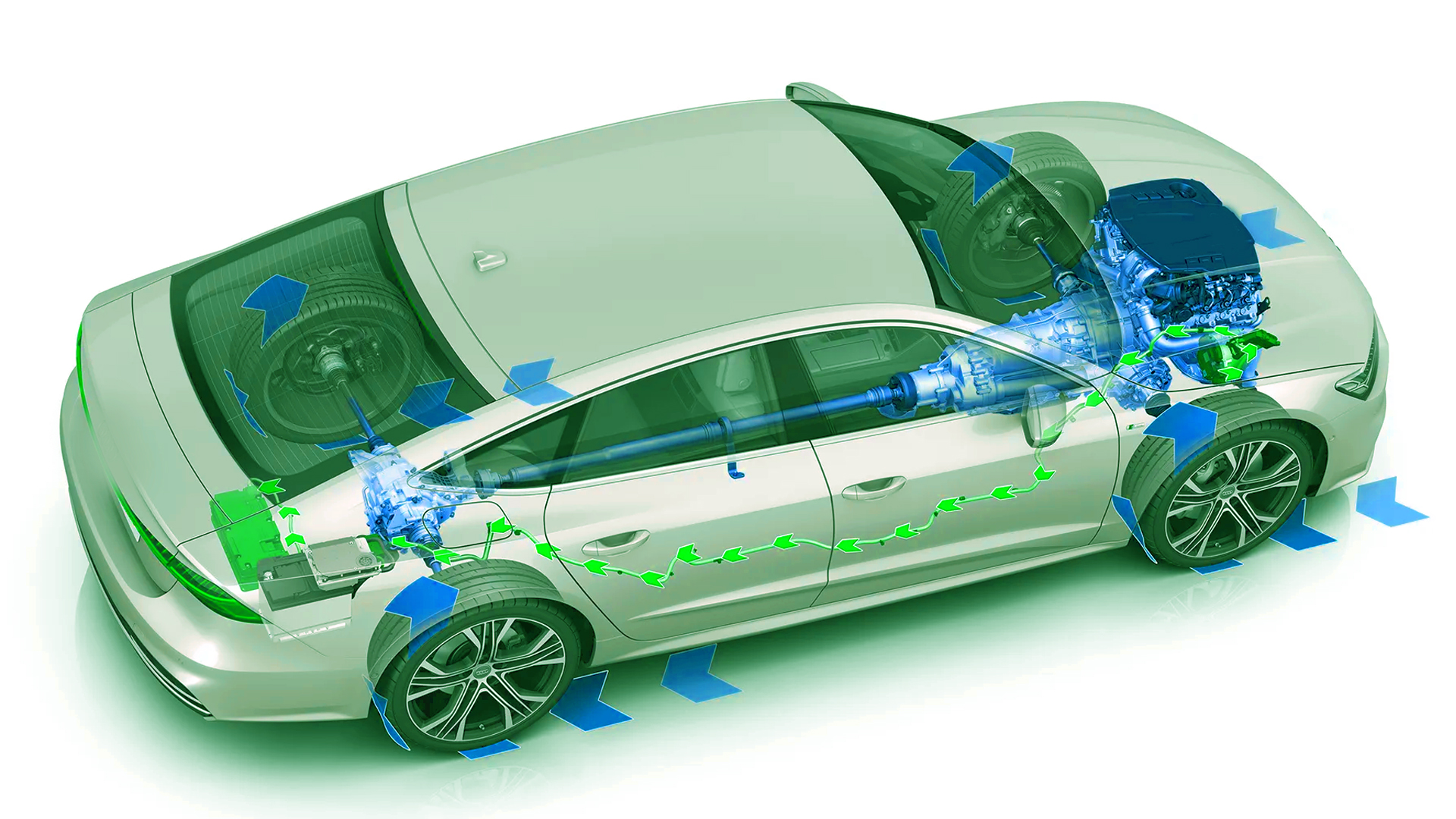
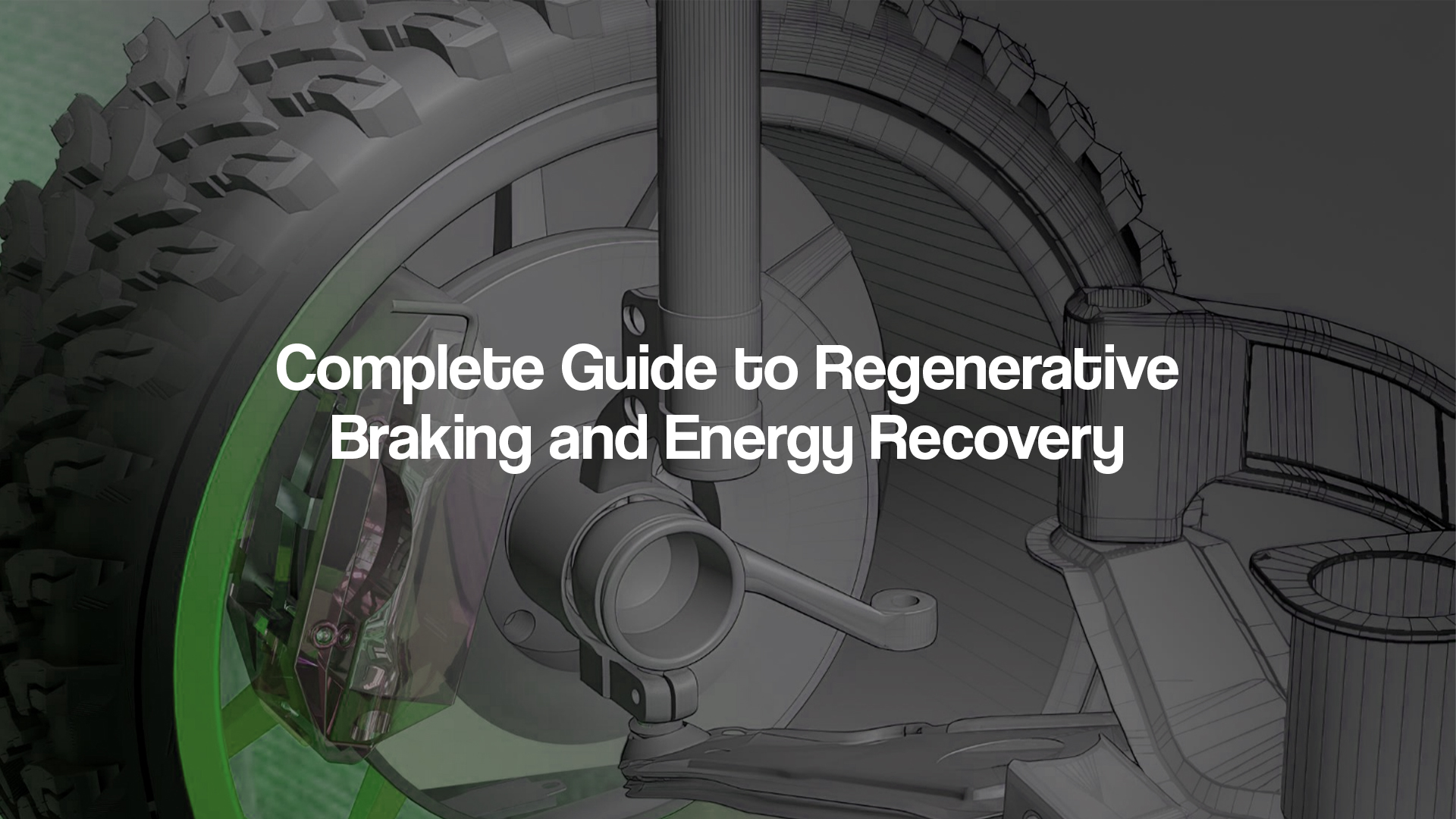
At its core, regenerative braking is a system that converts the kinetic energy produced while slowing down or braking into electrical energy. Instead of wasting that energy as heat (as traditional brakes do), the EV captures it and sends it back to the battery. This not only reduces energy waste but also improves vehicle range.
When you lift your foot off the accelerator or tap the brake, the electric motor shifts into reverse mode, acting as a generator. It slows the vehicle while simultaneously producing electricity—an elegant and efficient energy recovery process.
Why It Matters for EV Drivers in the UAE
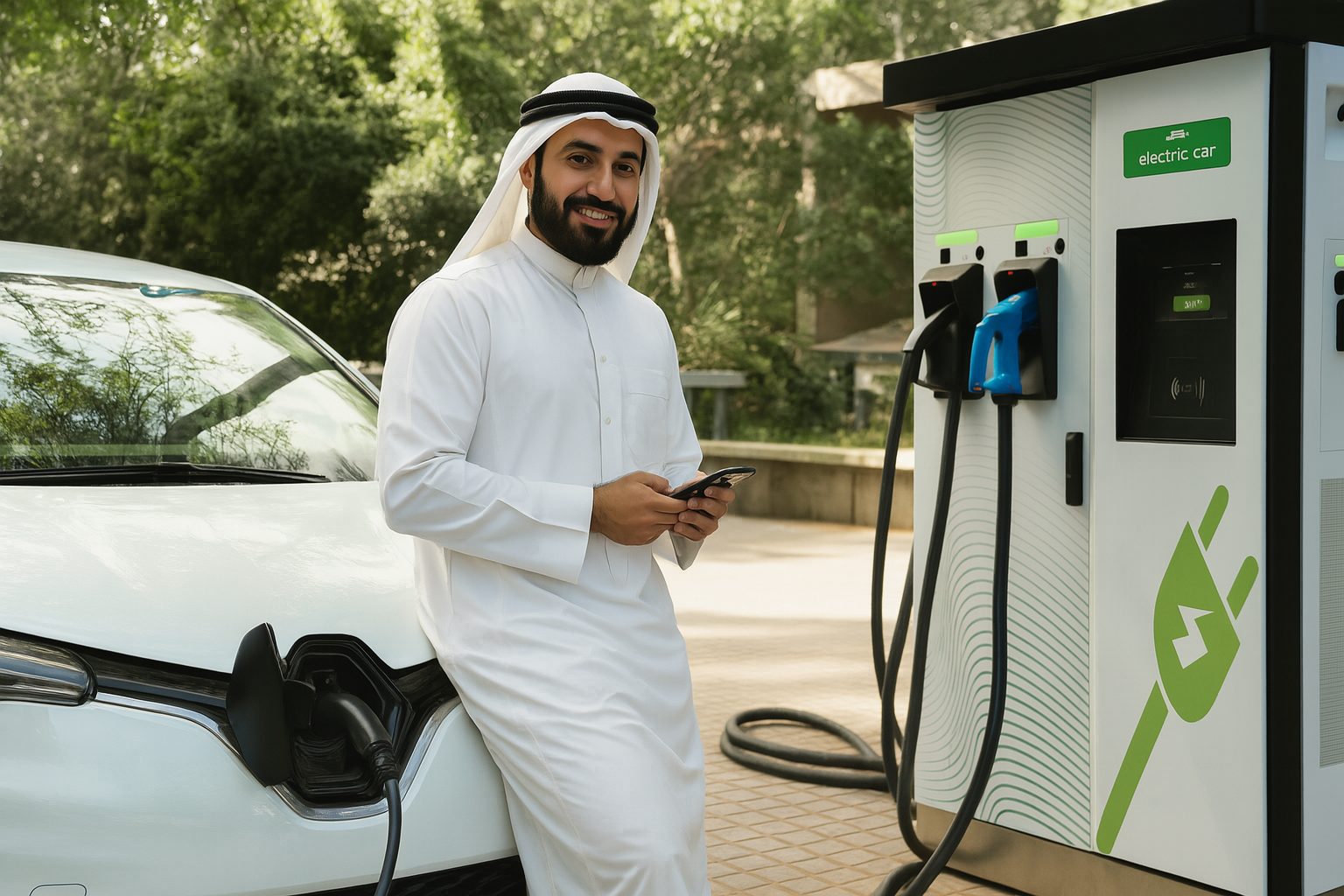
In cities like Dubai and Abu Dhabi, with frequent stop-and-go traffic and long commutes, regenerative braking can help drivers reclaim a surprising amount of energy over time.
Here’s what that means practically:
- Better range between charges: Regenerative systems can extend driving range by 10–25%, reducing the frequency of plugging into an ev charger.
- Reduced brake wear: Less dependence on mechanical brakes means lower maintenance costs—important for fleet operators and everyday drivers alike.
Greater charging efficiency: When used alongside smart EV charger setups and certified EV chargers, regenerative braking reduces how often full recharges are needed.
How Regenerative Braking Works with EV Charging
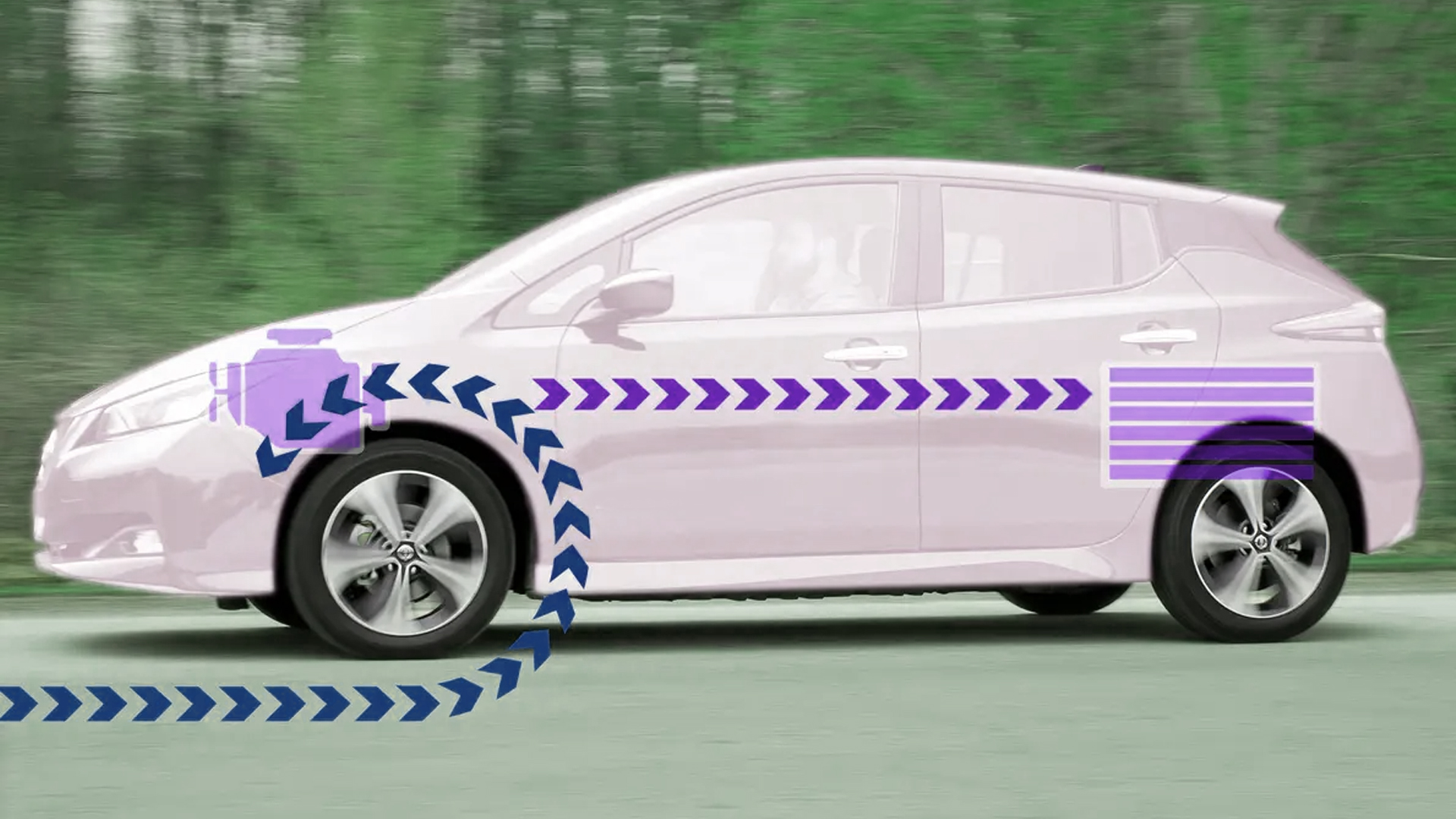
Even though regenerative braking doesn’t replace external charging, it works with your EV charging strategy to improve overall energy use.
Think of it like this:
- Charging your EV at home using an approved EV charger replenishes the main battery.
- Regenerative braking gives you mini “top-ups” while you drive.
- Together, they help reduce dependency on fast public chargers, especially in high-demand areas.
If you’re using a smart EV charger from a trusted ev charger manufacturer, you can even track how regenerative braking impacts your overall energy consumption through app integrations and energy analytics.
Tips to Maximise Regenerative Braking Efficiency
To make the most of regenerative braking, here are a few driver-friendly habits to adopt:
1) Drive in one-pedal mode
Many EVs offer a mode that increases regenerative braking when you lift off the accelerator. It allows for smoother driving and better energy recovery, especially in city conditions.
2) Anticipate traffic flow
Look ahead and slow down early instead of braking suddenly. This gives the system more time to convert energy efficiently.
3) Customise regen settings
Some Electric vehicles let you adjust the strength of regenerative braking. Experiment to find the balance between comfort and efficiency.
4) Pair with a reliable EV charger setup
Whether you’re using a home charger or charging at work, pair your driving style with a certified EV charger to ensure every bit of recovered energy counts.
Choosing the Right EV Charger to Support Energy Efficiency
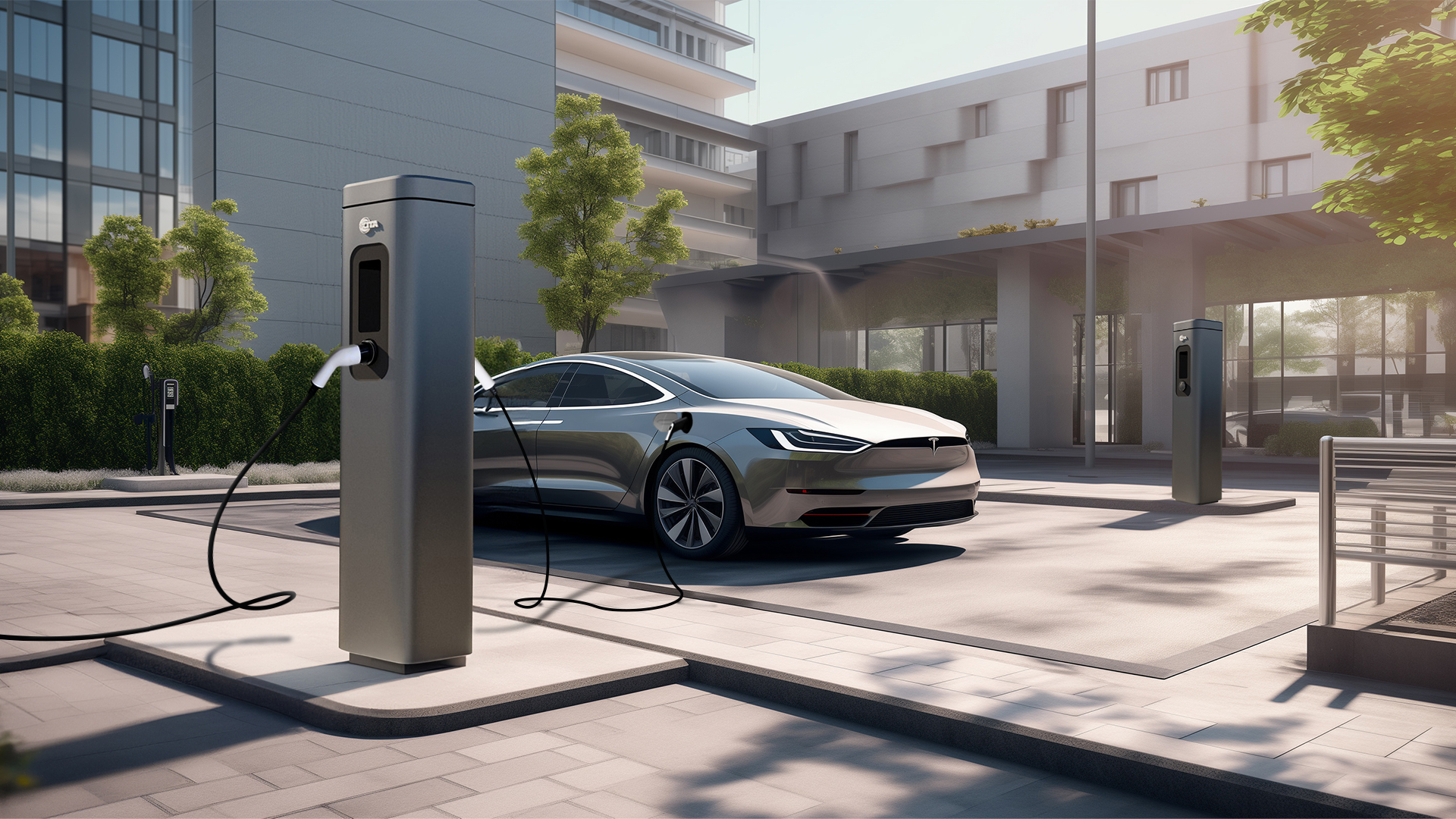
Regenerative braking helps save energy on the road—but the charging process itself also plays a critical role. For the best results, drivers in the UAE should use approved EV chargers that are built for safety, speed, and durability under local conditions.
A few things to look for:
- UKCA, CE, or regional certifications
- Compatibility with your vehicle’s voltage and charging mode
- Smart charging options to schedule low-tariff sessions
- Mobile app support to monitor both charging and regen efficiency
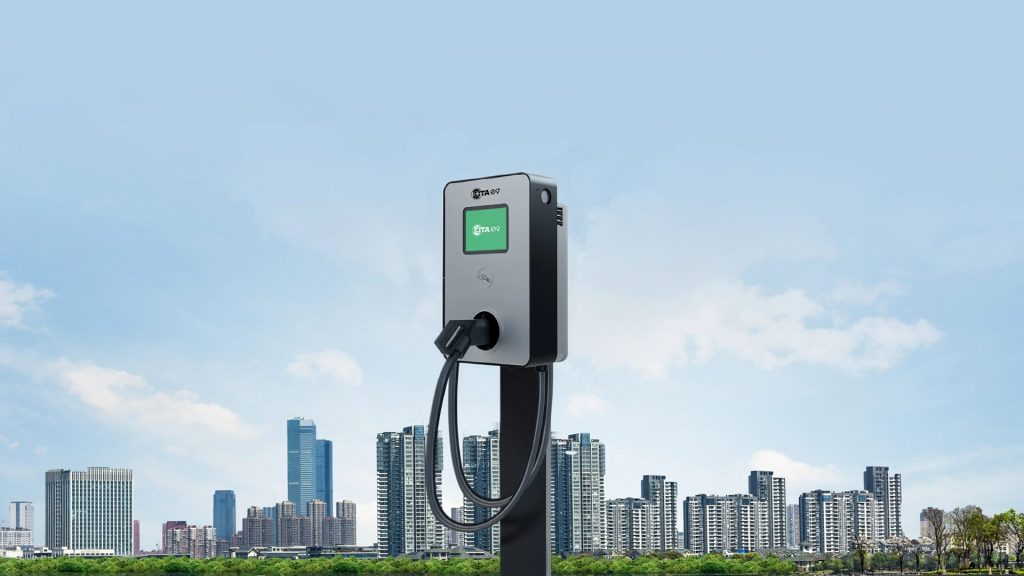
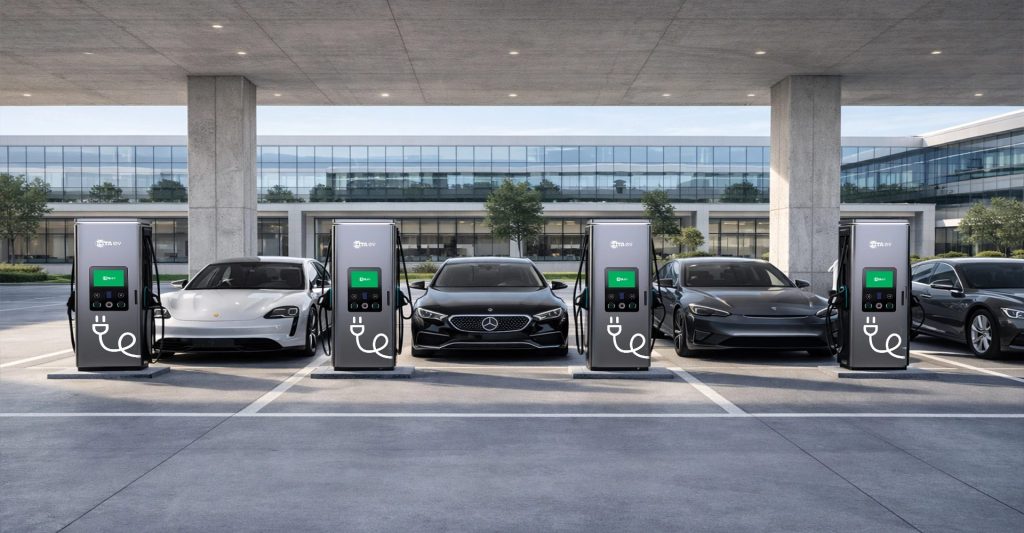
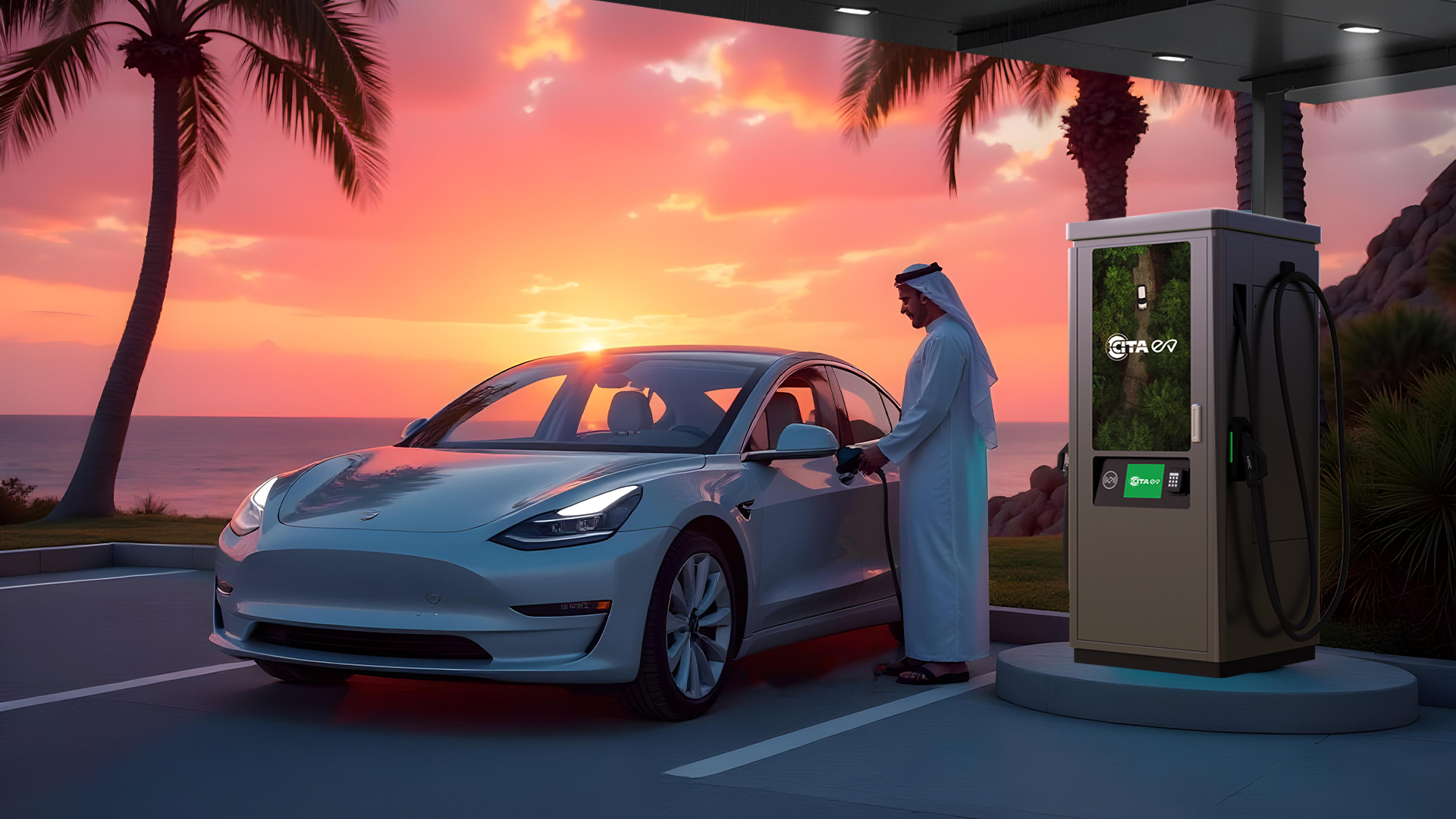
Brands like CITA EV Charger, a trusted EV charger supplier, offer AC and DC chargers with full certification, user-friendly design, and compatibility with most electric vehicles in the region.
Bottom Line: Regen Saves, Charging Completes the Picture
Regenerative braking is a powerful energy-saving tool, especially when paired with smart driving habits and the right EV infrastructure. While it won’t eliminate your need to plug in, it does mean you’ll get more miles from every kilowatt—reducing wear, extending range, and easing strain on your EV chargers.
If you’re serious about maximising efficiency—on the road and at the plug—investing in a certified, smart EV charger is just as important as understanding your vehicle’s braking tech.
Look for a reliable EV charger manufacturer like CITA EV Charger that offers future-ready, approved solutions that work with your EV’s regen system.
Get a free Consultation.