Skip to content







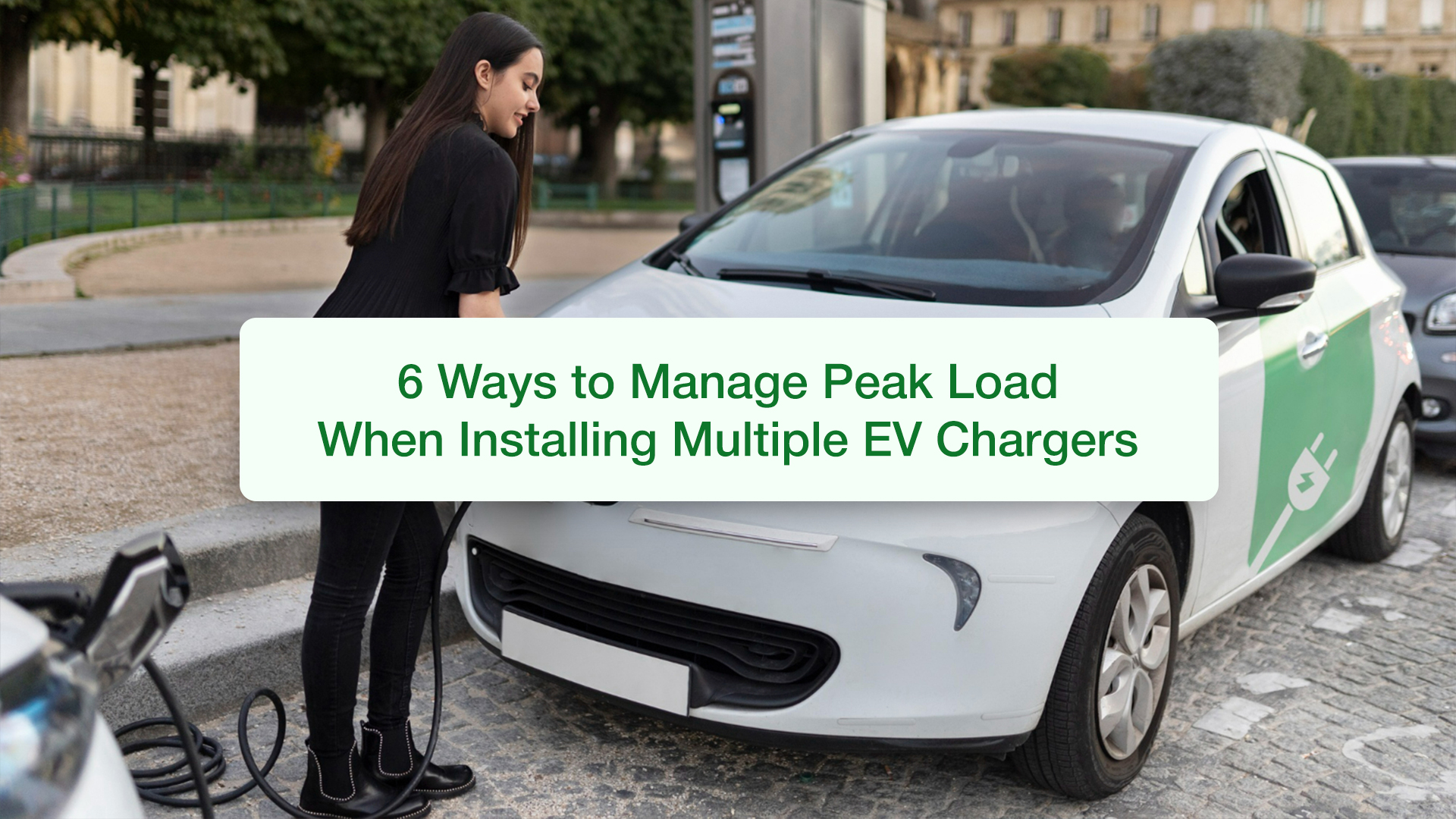
Installing Multiple EV Chargers is becoming a key priority as electric vehicle adoption continues to grow across the UAE. Cities like Dubai and Abu Dhabi are witnessing a steady rise in EV ownership as the country expands its charging infrastructure to support cleaner mobility.
According to industry estimates, the UAE aims to significantly increase the number of electric vehicles on its roads by 2030, which means more residential buildings, workplaces, and commercial hubs are installing electric vehicle chargers.
However, deploying several chargers in one location can create peak load challenges if not properly managed. Understanding how to balance energy demand is essential for efficient ev charging solutions and long-term system reliability.
Why Peak Load Management Matters for EV Charging
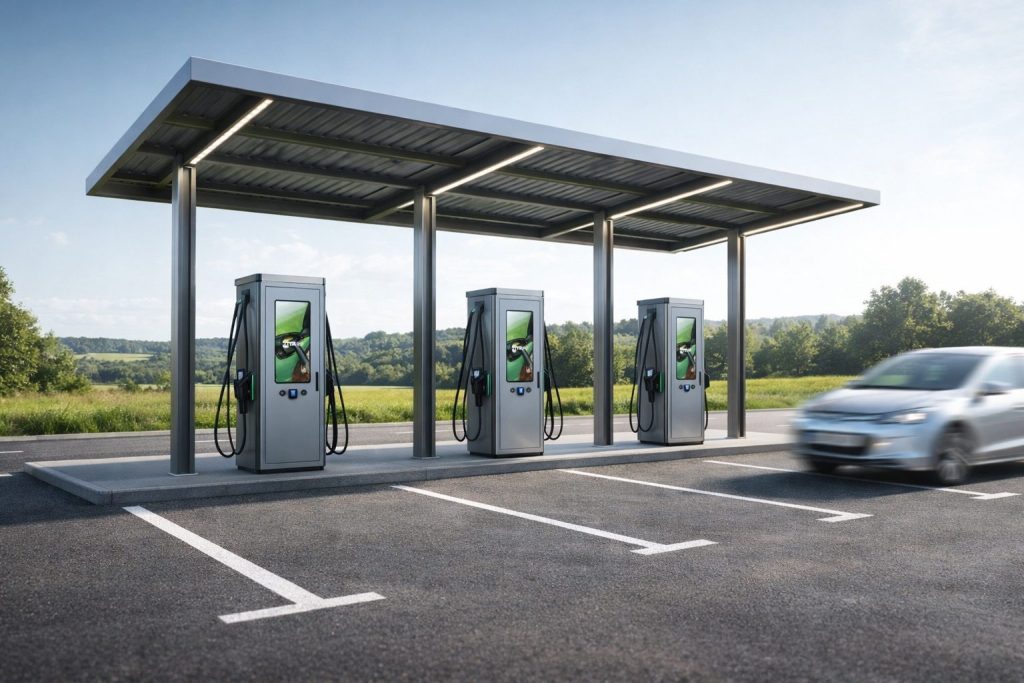
Before installing multiple charging units, it is important to understand how peak demand works. When several EVs charge at the same time, the combined electricity consumption can exceed the available capacity of the building’s electrical system.
Without proper energy management, this may lead to:
- Overloaded electrical circuits
- Increased electricity bills due to peak demand tariffs
- Reduced charging efficiency
- Potential disruptions in building power supply
To avoid these challenges, businesses and property managers must adopt intelligent strategies that balance energy demand while maintaining a smooth charging experience.
Smart Strategies to Balance EV Charging Demand
When installing multiple charging stations, proper energy planning becomes essential.
The following six strategies help manage peak electricity demand while ensuring efficient, reliable, and scalable EV charging operations.
1) Implement Smart Load Management Systems
One of the most effective ways to manage power demand is through smart load management technology. These systems automatically distribute available electricity across multiple chargers based on real-time demand.
Instead of allowing all electric vehicle chargers to draw maximum power simultaneously, the system dynamically adjusts power allocation to ensure the total load remains within the building’s capacity.
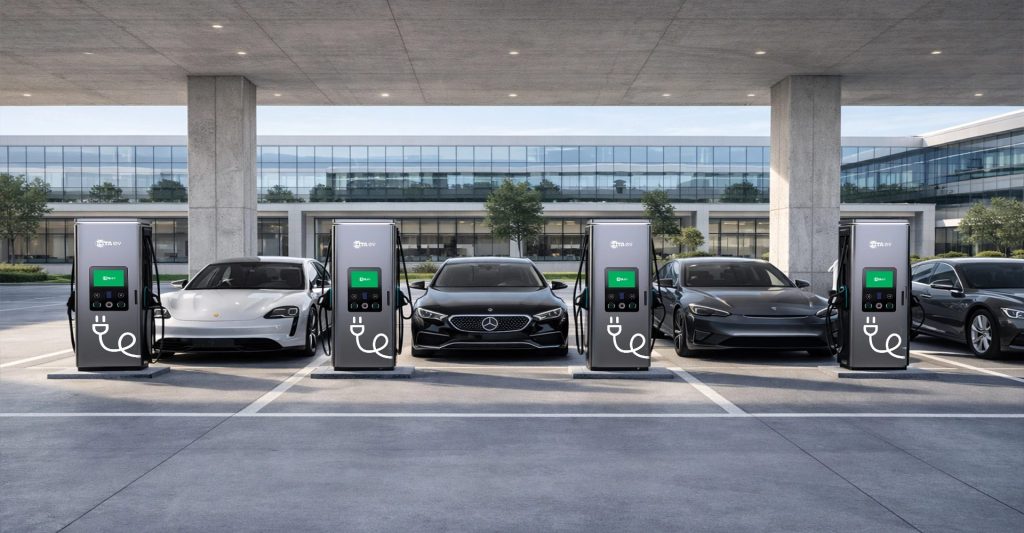
For example, if ten vehicles are connected to chargers at the same time, the system can intelligently distribute energy across them rather than exceeding the power limit. This helps prevent electrical overload while maintaining consistent charging performance.
2) Schedule Charging During Off-Peak Hours
Encouraging EV users to charge during off-peak electricity hours can significantly reduce peak load stress. Many smart charging platforms allow scheduling of charging sessions based on time-of-use electricity rates.
For businesses and fleet operators, scheduling can ensure that vehicles charge overnight or during periods of lower electricity demand. This approach not only helps manage peak load but also reduces energy costs associated with peak tariffs.
Scheduled charging is particularly useful for workplaces or residential parking facilities where vehicles remain parked for extended periods.
3) Install Energy Monitoring and Management Systems

Energy monitoring systems provide valuable insights into how electricity is being used across multiple charging points. These systems track power consumption patterns and identify potential peak demand issues before they become problematic.
With real-time data, facility managers can adjust charging strategies, redistribute loads, or upgrade infrastructure when necessary.
When planning ev charger installation, integrating an energy management system helps maintain visibility over the entire charging network and ensures efficient operation.
4) Use Dynamic Power Sharing Between EV Chargers
Dynamic power sharing allows multiple EV chargers connected to the same electrical circuit to automatically distribute power among themselves.
For example, if two vehicles are connected to a dual charger and one vehicle completes charging earlier, the system can redirect the available power to the remaining vehicle. This maximizes charging efficiency without increasing overall energy demand.
Dynamic load balancing is an important feature in modern ev charging solutions, particularly in locations with limited electrical capacity.
5) Upgrade Electrical Infrastructure When Necessary

While smart software solutions can optimize power distribution, in some cases the existing electrical infrastructure may require upgrades to support large-scale EV charging deployments.
This could include:
- Increasing transformer capacity
- Installing higher-capacity distribution panels
- Adding dedicated circuits for charging stations
For large facilities installing EV chargers in UAE, infrastructure upgrades may be required to support future EV growth. Planning for scalability from the beginning ensures that additional chargers can be added without major disruptions.
6) Integrate Renewable Energy or Energy Storage
Another effective approach to managing peak load is integrating renewable energy sources or battery storage systems.
Solar panels or battery storage units can supply additional power to charging stations during high-demand periods. This reduces reliance on the grid and stabilizes electricity consumption.
Energy storage systems are particularly useful for commercial charging sites where several electric car charger units operate simultaneously throughout the day.
By combining renewable energy with smart charging infrastructure, businesses can significantly reduce operational costs while supporting sustainable transportation.
Smarter Charging Infrastructure for the Future
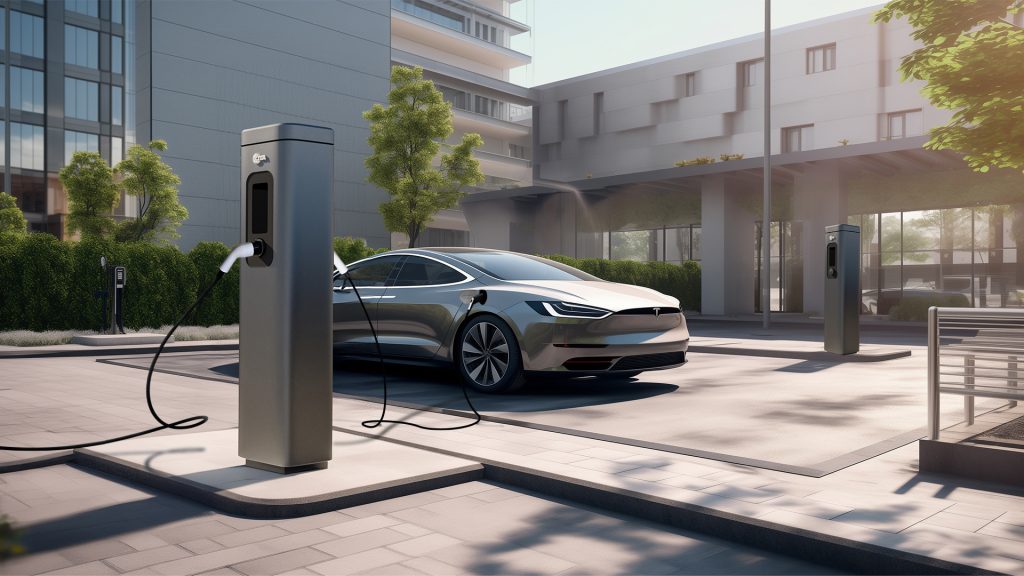
Managing peak load is essential when deploying multiple EV chargers, especially as electric mobility continues to grow. By using smart load management systems, scheduling charging sessions, monitoring energy consumption, enabling dynamic power sharing, upgrading infrastructure, and integrating renewable energy, organizations can build efficient and scalable charging networks. These strategies help maintain grid stability while supporting increasing EV demand.
If you are planning charging infrastructure for workplaces, commercial properties, or fleets, selecting the right technology partner is important. CITA EV Charger offers advanced solutions designed with built-in load management capabilities to support reliable and efficient charging networks. Our chargers are engineered to optimize power distribution and deliver consistent performance for modern EV environments.
Looking to install EV chargers for your project?
Connect with the CITA team or visit our website to explore our full range of smart EV charging solutions.