Skip to content







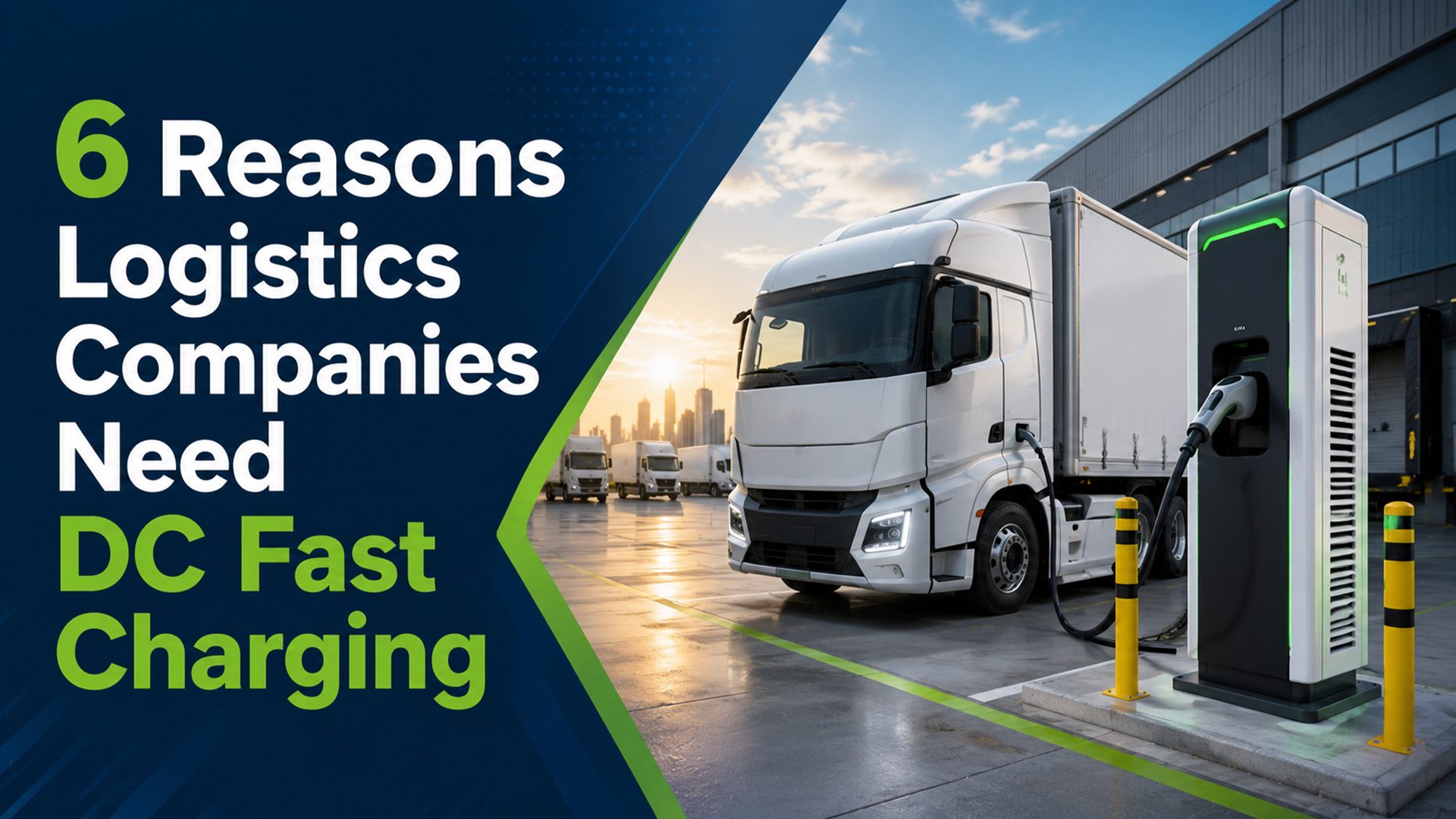
The logistics industry is undergoing a major transformation as electric vehicles become an increasingly important part of commercial transportation. From last-mile delivery services to large distribution fleets, businesses are exploring ways to reduce fuel costs, improve sustainability, and comply with evolving environmental regulations.
DC Fast Charging is becoming a critical part of this transition. Unlike conventional charging solutions that may require several hours to recharge a vehicle, fast-charging technology allows logistics operators to keep vehicles moving with minimal downtime. As electric fleet adoption accelerates across global markets, including the UAE, investing in the right charging infrastructure is becoming a strategic business decision rather than simply an operational upgrade.
Dubai, for example, continues to expand its electric mobility ecosystem through public and private charging investments, supporting the growth of commercial EV fleets across logistics, transportation, and delivery sectors. As fleet operators seek greater efficiency, reliable charging infrastructure is playing an increasingly important role in daily operations.
Why Fast Charging Infrastructure Matters for Modern Logistics Fleets
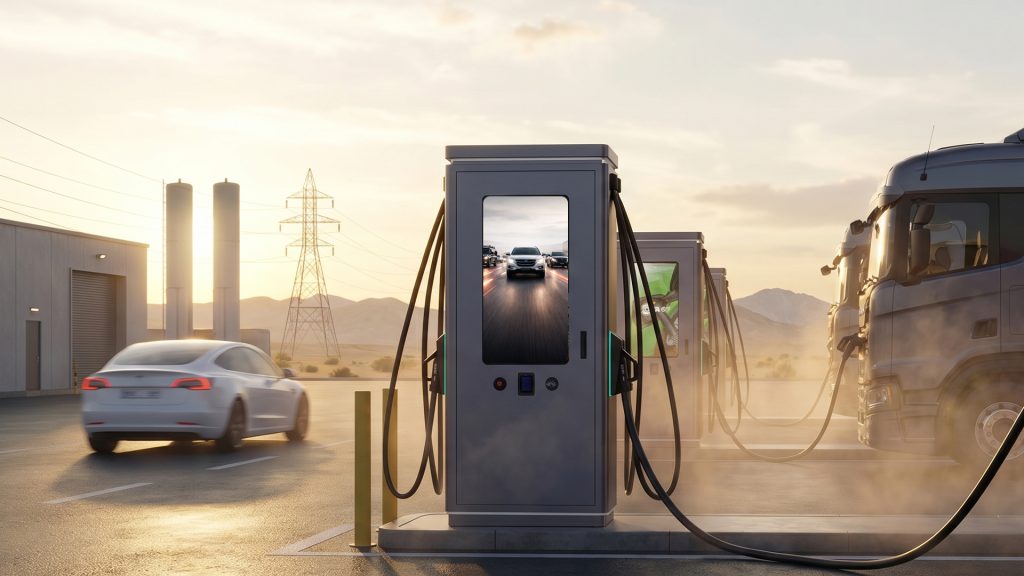
Fleet managers face unique operational challenges. Vehicles spend most of their day on the road, delivery schedules are tightly planned, and every hour of downtime directly affects productivity and profitability.
This is where EV Fleet Charging Solutions built around high-power charging technology can make a significant difference. The ability to recharge vehicles quickly enables operators to maximize vehicle utilization, improve route flexibility, and support future fleet expansion.
Below are six key reasons why logistics companies should consider investing in Commercial EV Charging Infrastructure powered by fast-charging technology.
1) Minimize Vehicle Downtime
Time is one of the most valuable assets in logistics operations.
Traditional charging methods can require several hours to fully recharge a vehicle, potentially reducing fleet availability. Fast charging dramatically shortens charging times, allowing vehicles to return to service much sooner.
For delivery companies operating multiple shifts or managing time-sensitive deliveries, reduced charging downtime translates directly into improved operational efficiency. Vehicles spend less time parked and more time completing routes.
This advantage is particularly valuable for Electric Delivery Fleet Charging, where vehicle availability can directly impact customer satisfaction and delivery performance.
2) Improve Fleet Productivity
Every logistics business aims to maximize asset utilization.
When charging sessions are shorter, fleet operators can schedule more deliveries, complete additional routes, and improve overall vehicle productivity. This creates opportunities to generate greater value from existing fleet investments without necessarily increasing vehicle numbers.
Companies implementing DC Fast Charging for Logistics Fleets often find it easier to maintain demanding delivery schedules while supporting the transition to electric mobility.
Higher vehicle utilization also improves return on investment for EV fleet purchases.
3) Support Growing Fleet Electrification
Many logistics companies are planning long-term sustainability initiatives that include transitioning a significant portion of their fleets to electric vehicles.
As adoption grows, charging infrastructure must scale accordingly.
A robust charging strategy supports Logistics Fleet Electrification by ensuring that increasing numbers of vehicles can be charged efficiently without creating bottlenecks. High-power charging systems help future-proof operations and accommodate expanding fleet requirements.
Businesses that invest early in scalable charging infrastructure are often better positioned to manage future growth and changing operational demands.
4) Enable Flexible Route Planning
One of the key concerns for fleet operators is ensuring vehicles can complete assigned routes without disruption.
Fast charging allows drivers to quickly top up batteries during scheduled breaks, loading periods, or between shifts. This flexibility can help fleet managers optimize route planning and respond more effectively to changing delivery requirements.
For logistics businesses operating across large metropolitan regions such as Dubai and Abu Dhabi, fast charging infrastructure helps reduce concerns around vehicle range and charging availability.
As Fast EV Charging for Logistics Companies becomes more widely available, route planning becomes increasingly efficient and predictable.
5) Reduce Operational Costs Over Time
While installing charging infrastructure requires an upfront investment, the long-term operational benefits can be substantial.
Electric fleets generally offer lower energy and maintenance costs compared to conventional fuel-powered vehicles. Efficient charging infrastructure further strengthens these savings by maximizing vehicle uptime and reducing productivity losses associated with lengthy charging sessions.
Well-designed Fleet EV Charging Stations can also help businesses manage charging schedules, optimize energy usage, and support intelligent load management strategies.
Over time, these efficiencies contribute to a lower total cost of ownership for electric fleet operations.
6) Strengthen Sustainability and Business Reputation
Sustainability is becoming a major competitive advantage across many industries.
Customers, investors, and regulatory authorities increasingly expect businesses to demonstrate measurable environmental commitments. Adopting electric vehicles supported by reliable EV Charging for Commercial Vehicles helps companies reduce emissions while showcasing their commitment to cleaner transportation solutions.
In regions such as the UAE, where governments continue investing heavily in sustainable mobility initiatives, businesses that embrace electric transportation can align more closely with national sustainability goals.
A visible commitment to cleaner logistics operations can also enhance brand reputation and strengthen relationships with environmentally conscious customers and partners.
Preparing for the Future of Logistics Charging
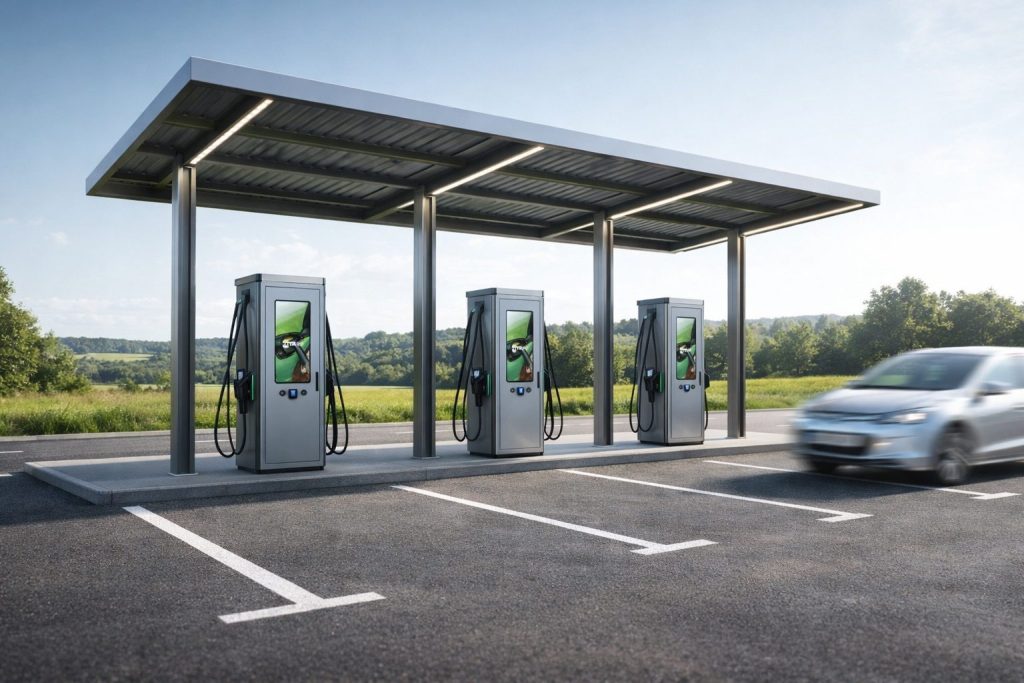
The future of logistics is increasingly electric. As battery technology advances and charging networks continue expanding, businesses that establish reliable charging infrastructure today will be better prepared for tomorrow’s transportation demands.
Modern Commercial EV Charging Infrastructure is no longer simply about powering vehicles. It is about improving operational efficiency, supporting fleet growth, enabling smarter route planning, and building a more sustainable logistics ecosystem.
Organizations that proactively invest in advanced charging solutions can gain a competitive advantage while positioning themselves for long-term success in an evolving transportation landscape.
Powering the Next Generation of Logistics Fleets
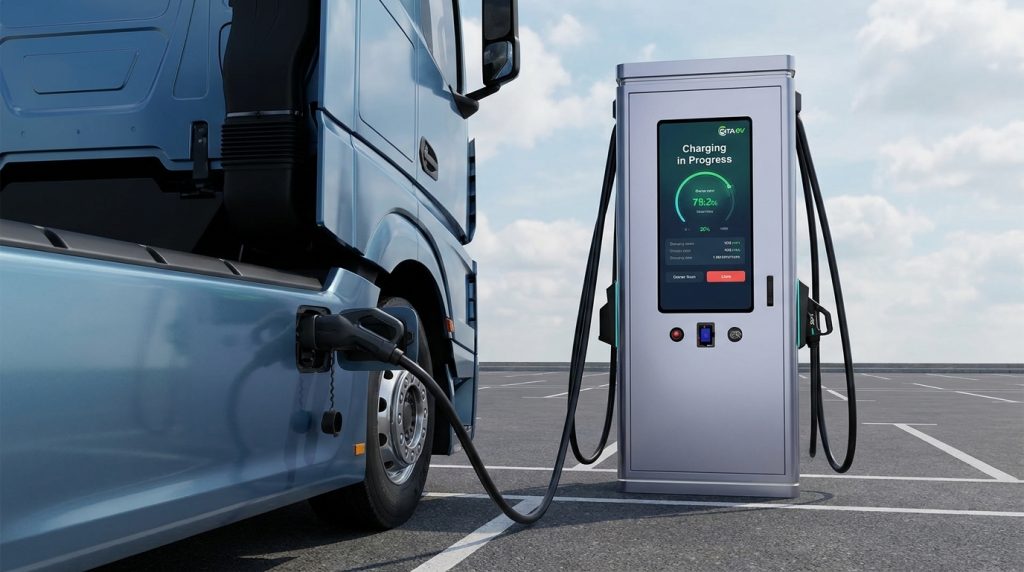
As logistics companies accelerate their transition toward electric mobility, choosing the right charging partner becomes just as important as selecting the right vehicles. Investing in DC Fast Charging infrastructure can help fleet operators reduce downtime, improve vehicle utilization, support future expansion, and maintain efficient day-to-day operations.
CITA EV Charger offers intelligent charging solutions designed for modern logistics environments, including depot charging, fleet hubs, warehouses, and commercial charging facilities. With scalable AC and DC charging technologies, smart management capabilities, and reliable performance, CITA helps businesses build charging ecosystems that are ready for future growth.
Planning to electrify your fleet or expand your charging infrastructure?
Contact CITA EV Charger today for a free consultation and discover the right EV charging solution for your logistics operations.