Skip to content







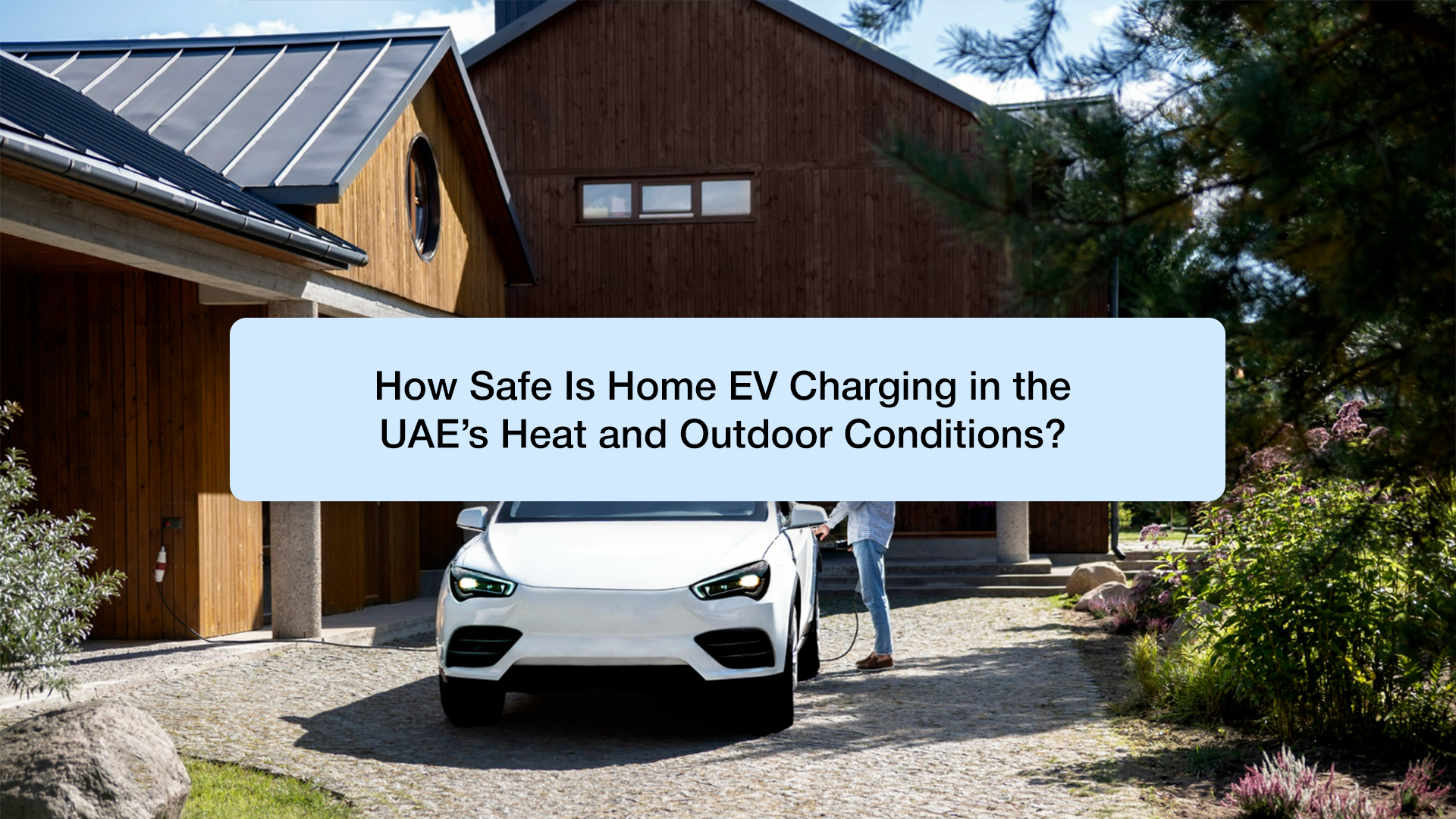
Home EV Charging in the UAE has become an everyday reality as more residents switch to electric vehicles across Dubai, Abu Dhabi, Sharjah, and beyond. With government initiatives supporting clean mobility and EV ownership rising steadily each year, installing a home EV charger is no longer a niche upgrade – it’s a practical necessity.
However, with summer temperatures frequently crossing 50°C, many homeowners naturally ask an important question:
Is home EV charging safe in the UAE’s extreme heat and outdoor conditions? Understanding how heat affects electric vehicle chargers, batteries, and charging behaviour is key to making confident, informed decisions.
Key Highlights
- Home EV charging safety in extreme UAE heat
- Heat impact on EV chargers, batteries, and charging speed
- Importance of certified, IP-rated home EV chargers
- Common home EV charging myths explained clearly
- Practical best practices for UAE summer charging
Understanding Heat and EV Charging: The Basics
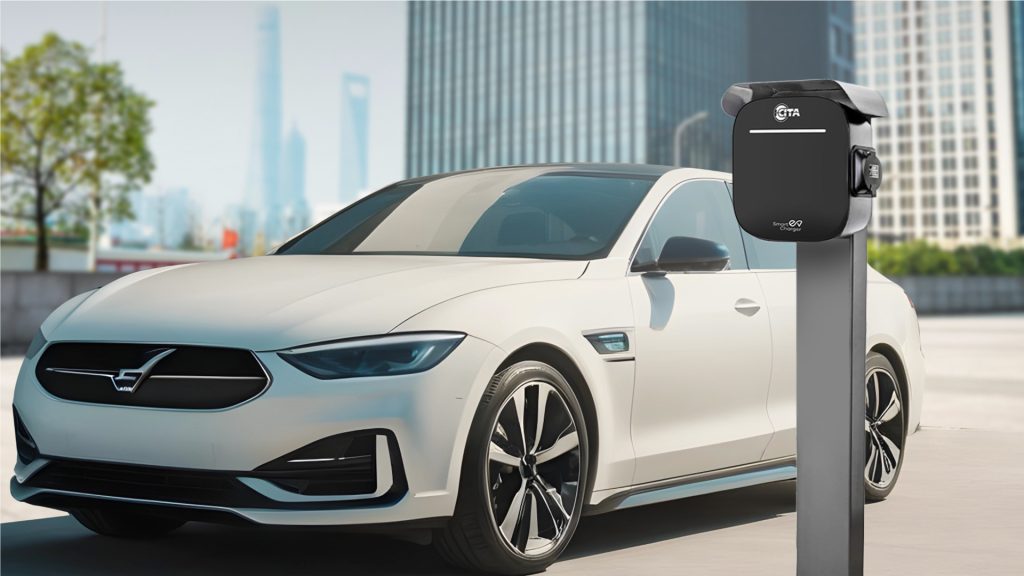
Heat plays a significant role in how any electrical system operates, and ev charging is no exception. While EV chargers are engineered to handle demanding environments, extreme ambient temperatures can influence charging speed, efficiency, and long-term durability.
Most electric car charger systems are designed to operate safely within a wide temperature range, but sustained exposure to very high heat forces systems to work harder to regulate internal components. This is why modern ev charging solutions include built-in temperature monitoring and automatic safety controls. In the UAE, these safeguards are not optional – they are essential.
How UAE Heat Affects EV Chargers at Home
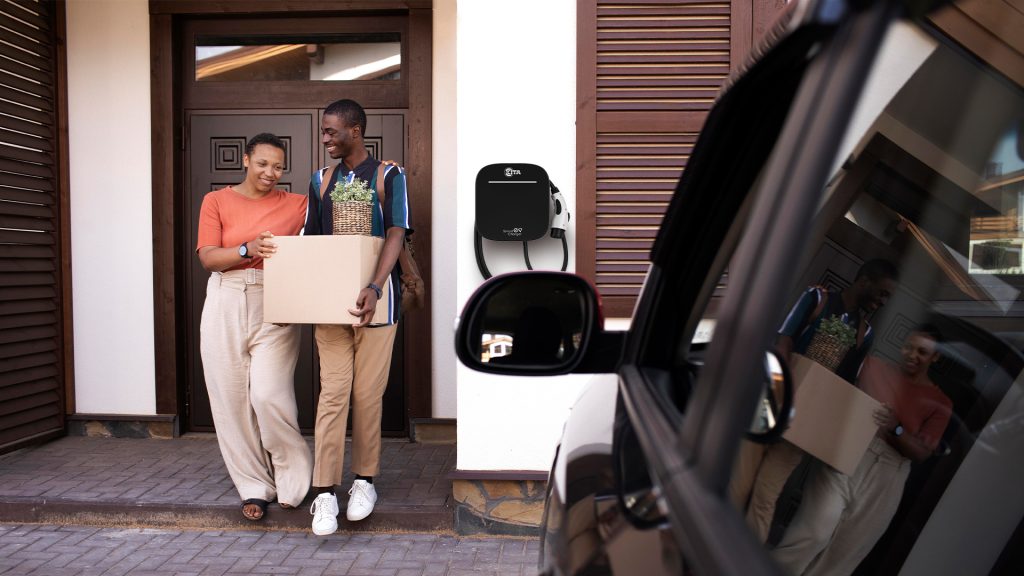
For homeowners, Home EV Charging in the UAE usually involves outdoor or semi-covered installations such as parking bays, driveways, or shared residential spaces. Prolonged heat exposure can lead to:
- Automatic power reduction (known as derating) to prevent overheating
- Temporary pauses in charging during peak afternoon temperatures
- Gradual wear on internal electronics if chargers are not properly rated
This is why selecting a Certified EV Charger matters. EV Chargers that meet UAE authority standards are built to withstand heat, dust, humidity, and voltage fluctuations without compromising safety.
What Happens to Your EV Battery in Extreme Heat?
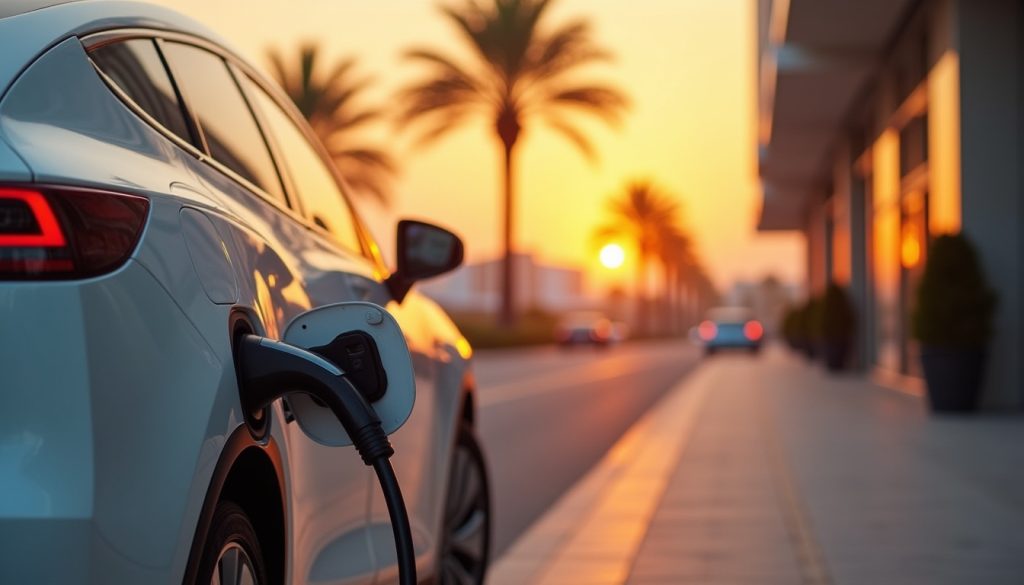
The battery is the most sensitive component in an electric vehicle. During Home EV Charging in the UAE, high ambient temperatures can cause the vehicle’s battery management system to slow charging intentionally. This isn’t a fault – it’s protection.
In hot conditions:
- EV Charging speed may be reduced to keep battery cells within safe limits.
- Energy is redirected toward cooling rather than charging.
- Long-term battery degradation can accelerate if heat exposure is unmanaged.
This is why many EV manufacturers recommend limiting charging to 80% during peak summer months, especially when using fast charging. For daily residential use, a properly installed AC EV charger offers a gentler, safer charging profile that aligns perfectly with home charging needs.
Why Certified EV Chargers Matter in UAE Heat & Outdoor Conditions
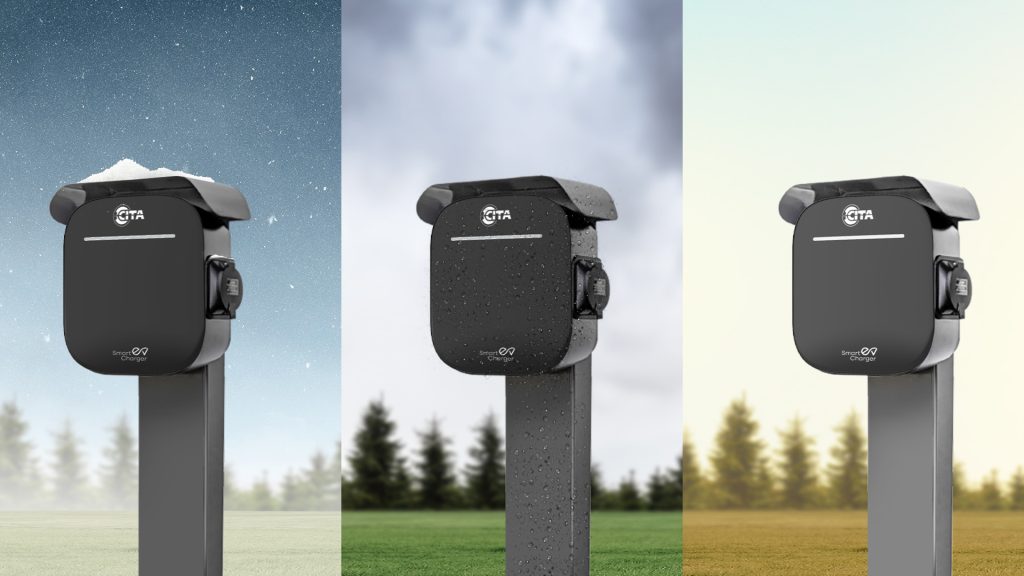
One of the biggest reasons Home EV Charging in the UAE remains safe – even in extreme summer temperatures – is strict local certification. Chargers approved by UAE authorities are tested for heat tolerance, electrical safety, dust resistance, and outdoor durability. These certifications ensure that chargers can operate reliably in temperatures exceeding 50°C without posing safety risks.
Using a Certified EV Charger also means built-in protections such as automatic shut-off, temperature monitoring, and controlled power delivery. For homeowners, this eliminates guesswork and ensures that daily charging remains stable, safe, and compliant with UAE standards – regardless of weather conditions.
Common Myths About Home EV Charging in Hot Climates
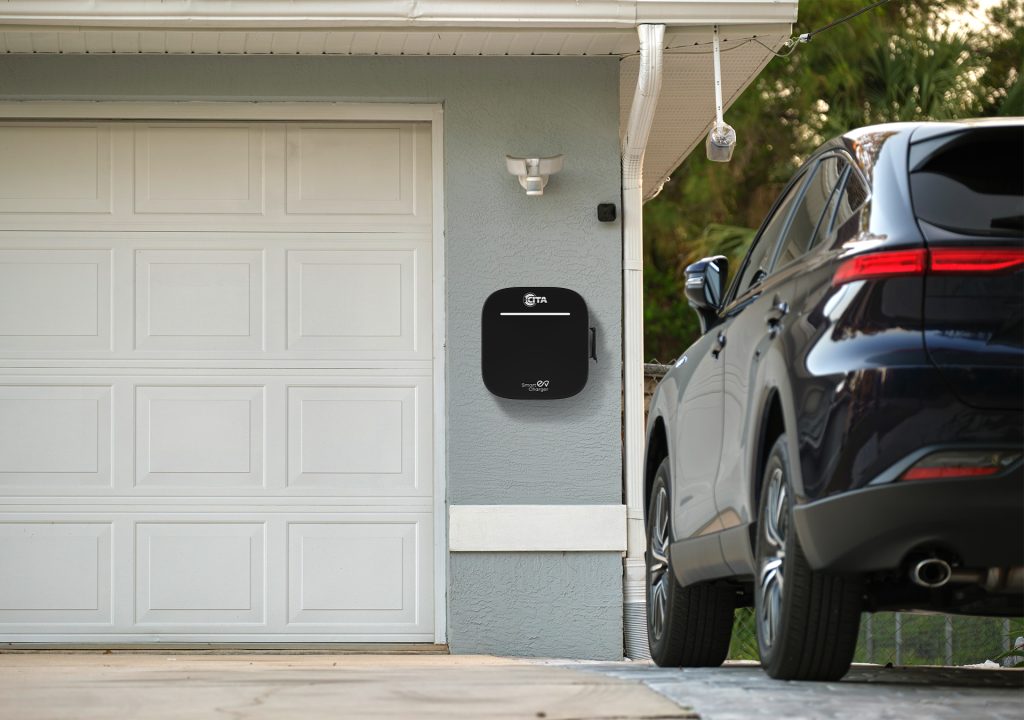
As EV adoption grows across the UAE, many homeowners still rely on outdated or incomplete information about charging in extreme heat.
Let’s address some of the most common myths around Home EV Charging in the UAE – and separate fact from fiction.
Myth 1: Charging an EV in Extreme Heat Is Dangerous
High temperatures do not make home charging unsafe. Modern electric vehicle chargers and EVs continuously monitor temperature and automatically reduce or pause charging when needed. These built-in protections ensure safe operation even during peak UAE summer conditions.
Myth 2: Outdoor Home EV Charging Is Not Safe in the UAE
Myth 3: Fast Charging Is the Best Option for Home Use
Simple Best Practices for UAE Homeowners
Safe Home EV Charging in the UAE is not only about choosing the right hardware – it’s also about how you charge. Extreme heat, direct sunlight, and outdoor exposure make everyday charging habits especially important.
The following best practices help homeowners protect their home EV charger, maintain charging efficiency, and ensure long-term safety in UAE weather conditions.
1) Charge During Cooler Hours Whenever Possible
One of the simplest ways to protect ev chargers and EV batteries is to charge during late evenings or early mornings. Lower ambient temperatures reduce thermal stress on both the electric car charger and the vehicle’s battery.
Nighttime charging also improves efficiency and works seamlessly with a smart EV charger and scheduled charging features.
2) Allow the Vehicle to Cool After Long Drives
After driving in high UAE heat, EV batteries retain internal warmth. Starting ev charging immediately – especially at higher power – can increase thermal load.
Allowing the vehicle to cool before plugging into your home EV charger helps protect battery health, improves charging stability, and reduces unnecessary strain on electric vehicle chargers.
3) Use Shaded or Covered Charging Locations
Whenever possible, install or park near shaded charging areas. Direct sun exposure can raise surface temperatures significantly, even for outdoor-rated chargers.
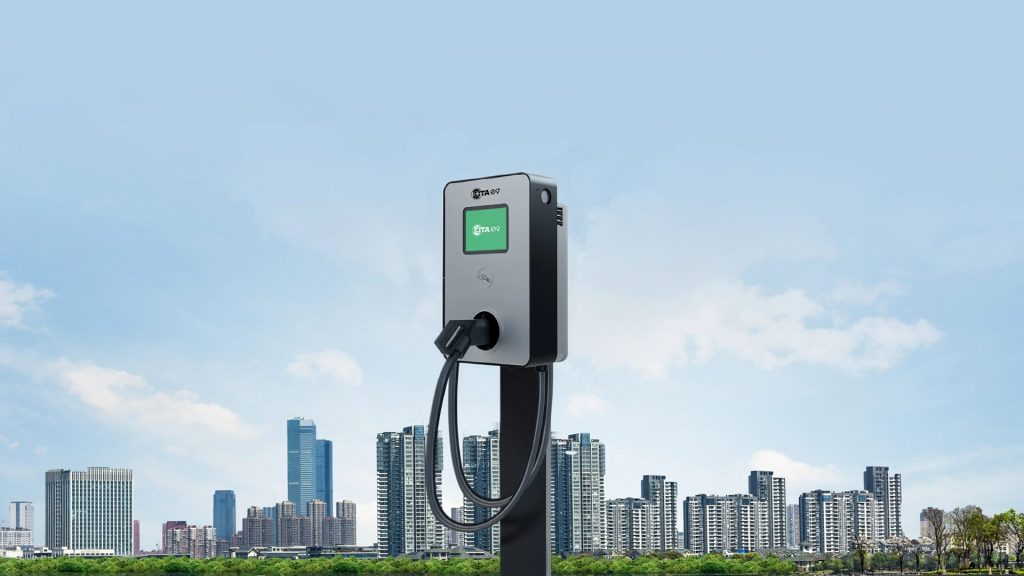
Choosing a Certified EV Charger with IP65 and IK10 ratings, like CITA EV AC Chargers, ensures resistance to dust, water, and impact – while shade further enhances safety and durability.
4) Avoid Overcharging During Peak Summer Heat
In extreme heat, charging to 100% is not always necessary for daily use. Limiting charging to around 80–90% during peak summer months reduces battery stress and improves longevity.
This practice works particularly well with AC EV chargers, which provide a steady, battery-friendly charging experience ideal for Home EV Charging in the UAE.
5) Rely on Smart Charging Features for Better Control
A smart EV charger plays a key role in safe home charging. Using tools like the CITA EV App allows homeowners to monitor sessions, schedule charging during cooler hours, and track performance.
Smart controls help balance power, protect equipment, and ensure ev charging solutions adapt smoothly to UAE outdoor conditions.
Safe Home EV Charging Starts with the Right Choices
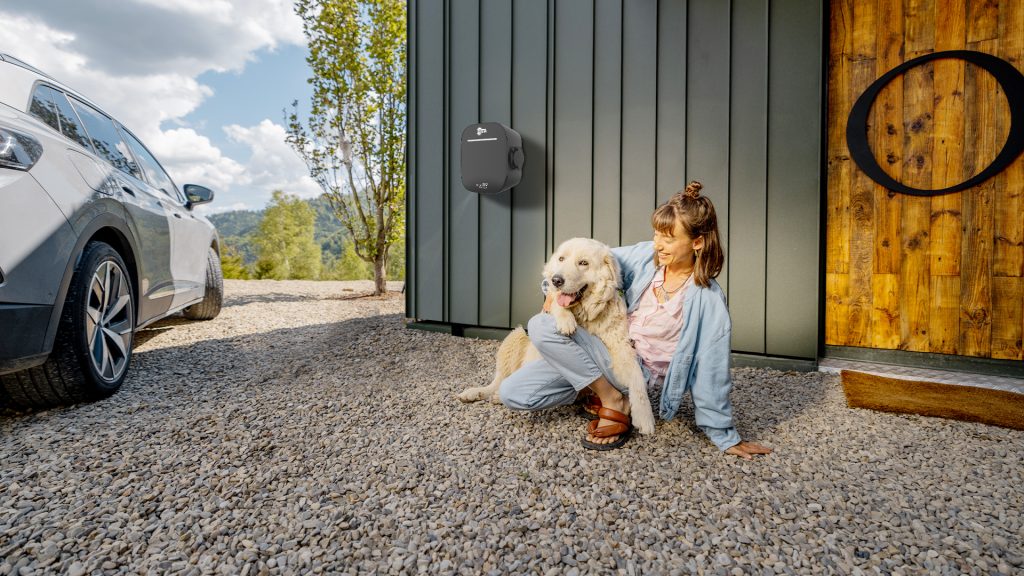
So, how safe is Home EV Charging in the UAE? When done correctly – with certified hardware, smart software, and professional installation – it is extremely safe, reliable, and well-suited to the region’s demanding climate.
Choosing a Certified EV Charger, investing in a smart EV charger, and following proven best practices ensures your electric car charger performs efficiently even in extreme heat. With trusted ev charging solutions from CITA EV Charger, UAE homeowners can charge confidently, sustainably, and comfortably – no matter how high the mercury rises.
Planning a home EV charger installation? Speak with CITA EV Charger experts to find the safest, certified solution built for UAE conditions.
Explore CITA’s home EV charging solutions and make your switch to electric mobility stress-free and future-ready.