Skip to content







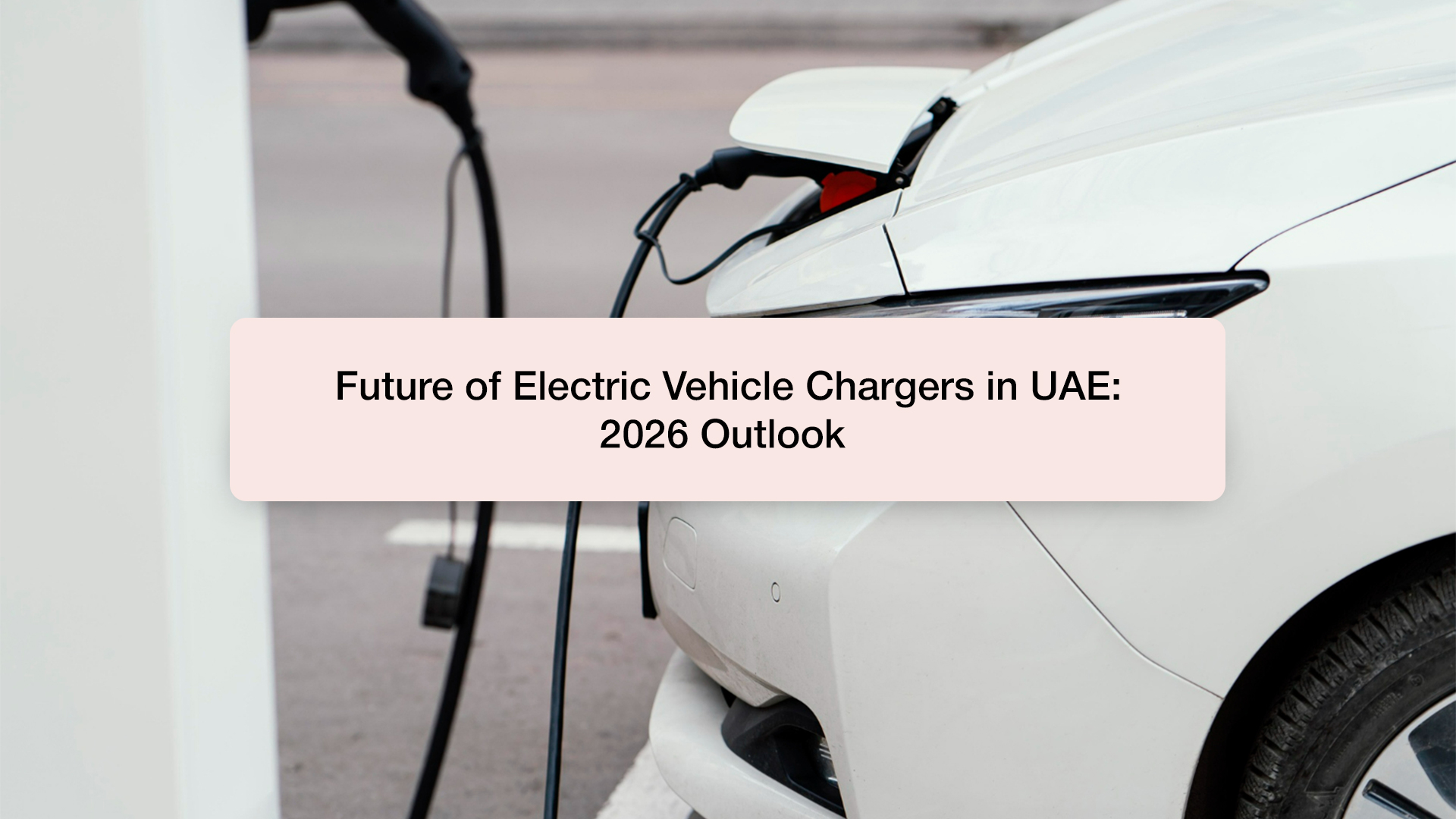
The UAE’s roads are undergoing a quiet transformation. By 2026, electric vehicles will no longer be a niche presence limited to early adopters – they will be a common sight across residential communities, business districts, and highways. As this shift accelerates, Electric Vehicle Chargers in UAE are emerging as a critical foundation for the country’s next phase of mobility.
The conversation is no longer just about owning an electric vehicle. It is now about how efficiently, safely, and intelligently those vehicles can be charged. From home garages and office parking to fleet depots and public spaces, EV charging infrastructure is becoming a strategic investment rather than a supporting feature.
This blog explores how EV charging in the UAE is evolving, what changes are shaping the market, and what individuals and businesses should expect as 2026 approaches.
Key Highlights
- How EV charging demand is evolving in the UAE
- The role of government policy and infrastructure planning
- Key challenges shaping EV charger deployment
- What EV charging will look like by 2026
- How users and businesses can prepare for the transition
The Changing Landscape of EV Charging in the UAE
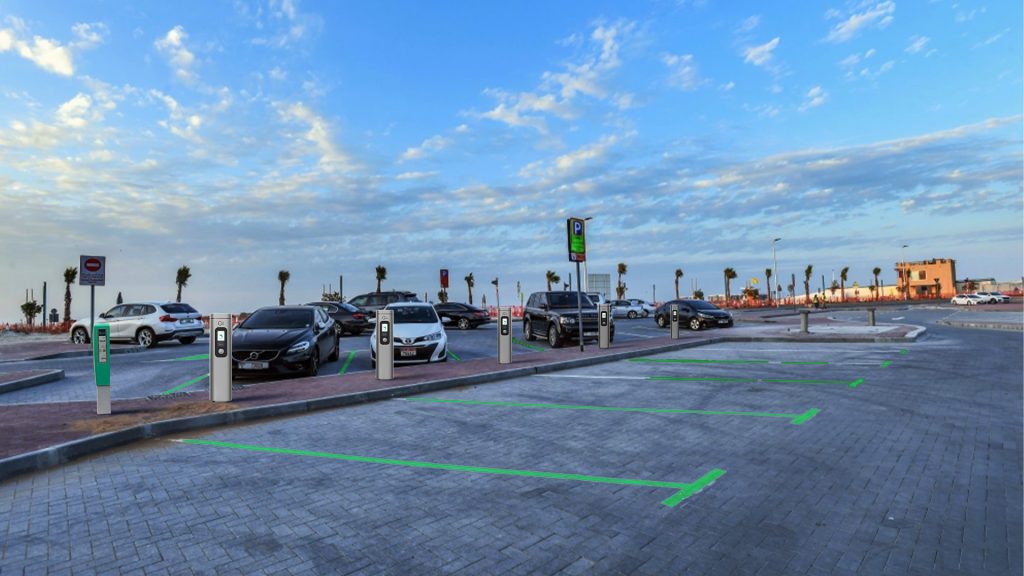
The UAE’s push toward cleaner transportation has placed EV charging infrastructure at the core of urban planning, real estate development, and mobility strategy. As EV adoption accelerates, charging access is becoming as critical as road connectivity itself.
Studies and government targets indicate that a significant majority of EV charging – often over 70% – takes place at homes and workplaces, driving strong demand for reliable AC EV chargers that integrate easily with existing electrical systems.
At the same time, public venues such as malls, hotels, office parks, and fleet depots are rapidly expanding DC EV charger installations to support fast turnaround times, reflecting a balanced shift toward both private and high-capacity public charging across the UAE.
Government Direction and EV Charger Infrastructure Planning
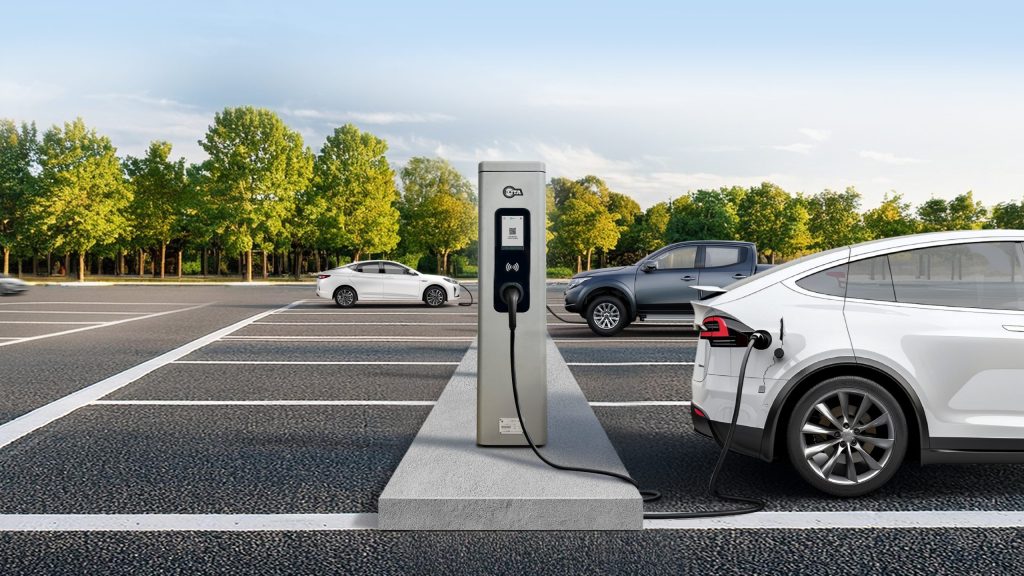
The UAE government continues to shape the future of EV charging infrastructure with ambitious sustainability targets, regulatory clarity, and strategic planning for Electric Vehicle Chargers in UAE.
Through frameworks such as the National Electric Vehicles Policy and targeted expansions of public networks, authorities are building a cohesive ecosystem that supports cleaner transportation while ensuring quality and safety.
This sets the stage for robust growth in certified EV charging solutions across homes, businesses, and public domains.
1) Regulatory Frameworks and National EV Policy
Federal and local authorities have introduced structured EV policies to guide infrastructure growth and ensure compliance across the sector.
The UAE’s National Electric Vehicles Policy outlines a roadmap for building an integrated national charging network, promoting electric adoption, and regulating safety and quality standards for installations.
This framework encourages investment in EV charging infrastructure while supporting responsible energy use and long-term grid planning.
2) Charging Network Expansion and Public Incentives
The UAE is rapidly expanding its public charging infrastructure to meet growing EV demand.
For example, Dubai’s EV Green Charger initiative has already deployed hundreds of stations, and plans aim to grow toward one charger per 20 EVs by 2030, improving accessibility in urban and suburban areas.
Additionally, programs offer benefits such as free or discounted public charging and reduced registration fees for electric vehicles, easing the transition for drivers and boosting confidence in EV ownership and adoption of Electric Vehicle Chargers in UAE.
3) Encouraging Certified and Quality EV Charging Solutions
To ensure reliability and safety, authorities such as DEWA and ADQCC support the adoption of Certified EV Charger products that meet strict technical and performance criteria.
This regulatory emphasis helps stakeholders – whether homeowners, developers, or fleet operators – install solutions that are both compliant and future-ready.
By aligning certification standards with infrastructure planning, the UAE ensures its EV charging ecosystem is resilient and well-coordinated.
Key Challenges Influencing EV Charging Growth

Despite strong momentum, the deployment of electric vehicle chargers in the UAE must navigate several practical and technical challenges.
Addressing these early is essential to ensure reliable performance, regulatory compliance, and long-term sustainability as EV adoption accelerates.
1) Power Management and Load Constraints
High-density EV charging – particularly in residential towers, office complexes, and mixed-use developments – places significant demand on existing electrical infrastructure.
Without proper planning, multiple chargers operating simultaneously can overload systems. As a result, smart EV charging, dynamic load management, and energy balancing are becoming essential to support growth without requiring costly grid upgrades.
2) Climate and Environmental Conditions
The UAE’s extreme heat, dust exposure, and outdoor installation environments pose serious challenges to charger reliability. High temperatures can affect internal components, while dust and humidity impact long-term performance.
This has increased demand for AC and DC EV chargers designed specifically for harsh climates, with high ingress and impact protection ratings rather than adapted indoor solutions.
3) Long-Term Scalability and Future Demand
Early EV adopters are increasingly realising that charging infrastructure installed today must support higher vehicle volumes in the future. Fixed, non-upgradable systems can quickly become limiting.
This has driven interest in modular, upgrade-ready EV charging solutions that allow businesses and property owners to scale power capacity and charger count as demand grows.
4) Certification, Compliance, and Approval Processes
Regulatory compliance remains a critical factor in EV charging deployment. EV Chargers must meet local authority standards set by utilities and regulators to ensure safety and grid compatibility across Electric Vehicle Chargers in UAE.
This makes Certified EV Chargers essential, as uncertified equipment can lead to installation delays, rework, or operational risks – particularly in commercial and public projects.
5) User Experience and Operational Reliability
As EVs become mainstream, users expect charging to be simple, reliable, and intuitive. Inconsistent performance, downtime, or complex interfaces can discourage adoption.
This challenge highlights the importance of dependable hardware combined with smart software – such as monitoring apps and management systems – to deliver a seamless charging experience for both drivers and operators.
What EV Charging in the UAE Will Look Like by 2026
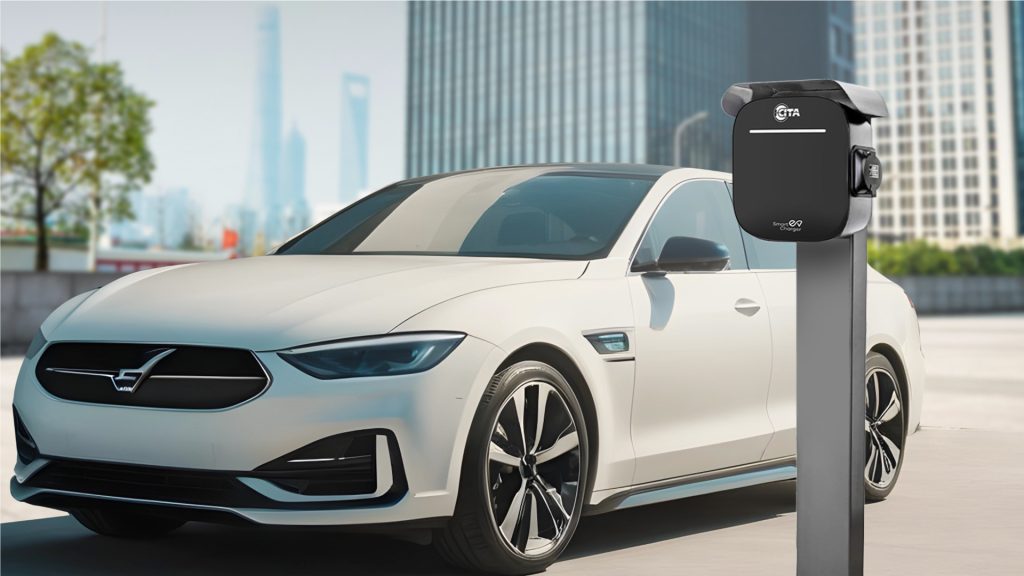
By 2026, EV charging in the UAE will move beyond early adoption into a more mature, intelligent, and standardised ecosystem. As electric vehicles become mainstream, charging infrastructure will be designed not just for availability, but for efficiency, user experience, and long-term grid sustainability.
The following developments are expected to define the next phase of Electric Vehicle Chargers in UAE.
1) Smarter Charging Becomes the Default Standard
Basic plug-and-charge setups are rapidly being replaced by intelligent charging platforms. By 2026, most new installations will feature smart functionality such as real-time monitoring, load optimisation, user authentication, and usage analytics.
Homeowners, businesses, and fleet operators will expect visibility into charging behaviour and energy consumption.
This shift makes smart EV charging solutions essential, particularly in shared residential and commercial environments where efficiency and control directly impact operating costs.
2) EV Charging Integrated as a Standard Utility
EV charging will increasingly be treated like water, internet, or air conditioning – an expected utility rather than an optional add-on.
New residential communities, mixed-use developments, offices, and retail spaces will integrate charging infrastructure at the planning stage.
Municipal guidelines and developer requirements are already pushing this direction, ensuring that electric car chargers are embedded into daily life across cities, not retrofitted later at higher cost.
3) Balanced and Purpose-Driven Use of AC and DC Charging
The UAE’s EV charging landscape will move away from a one-size-fits-all approach. Instead, charging strategies will be tailored to usage patterns:
- AC EV chargers will dominate homes, workplaces, and long-stay parking, supporting daily and overnight charging efficiently.
- DC EV chargers will expand across highways, commercial hubs, fleets, and public locations where rapid turnaround is critical.
This balanced deployment will improve grid stability while delivering the right charging speed for each use case.
4) Greater Focus on Grid Readiness and Load Management
As charger density increases, grid coordination will become a priority for Electric Vehicle Chargers in UAE. By 2026, new EV charging projects will increasingly incorporate dynamic load management, peak shaving, and energy optimisation to avoid overloading existing infrastructure.
Utilities and developers will favour Certified EV Chargers that align with grid planning requirements and support smarter energy distribution without costly upgrades.
5) Reliability, Certification, and Performance as Key Decision Factors
With EV charging becoming mission-critical infrastructure, reliability will outweigh novelty. Buyers will prioritise chargers that are certified by local authorities, tested for harsh climates, and backed by long-term support.
This trend will strengthen the role of experienced EV charger manufacturers who can deliver compliant, climate-ready, and upgradeable solutions – positioning certified brands as long-term partners rather than just equipment suppliers.
Types of EV Chargers Defining the UAE Market in 2026
As the UAE’s EV ecosystem matures, charging infrastructure is becoming more specialised. Different environments now require different charger types based on dwell time, power availability, and usage patterns.
From private homes to high-traffic fleet operations, the market is clearly segmenting into three core EV charging categories.
1) Home EV Chargers for Daily Residential Charging
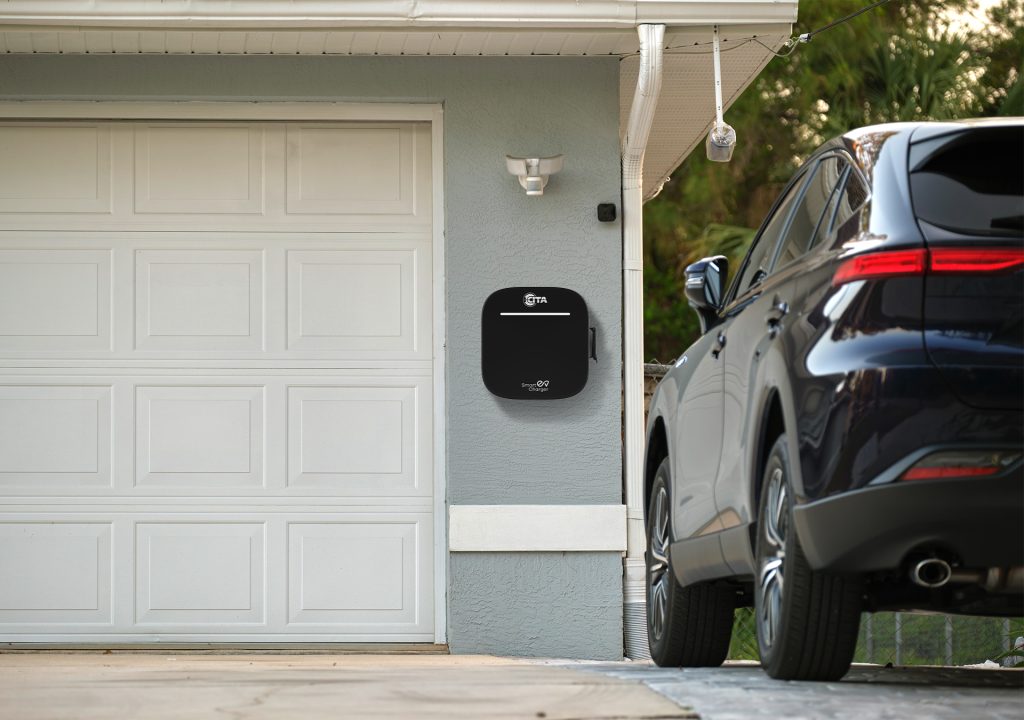
Home EV chargers form the foundation of EV charging in the UAE, as a majority of charging happens during overnight or extended parking periods.
AC EV chargers ranging from 7 kW to 22 kW are ideal for villas, townhouses, and apartment parking areas, offering safe, efficient, and cost-effective daily charging.
These chargers integrate well with residential electrical systems and are suitable for drivers with predictable daily routines. As EV ownership increases in gated communities, home charging is increasingly viewed as an essential residential utility rather than a premium feature.
2) Dual EV Chargers for Shared and Semi-Private Locations
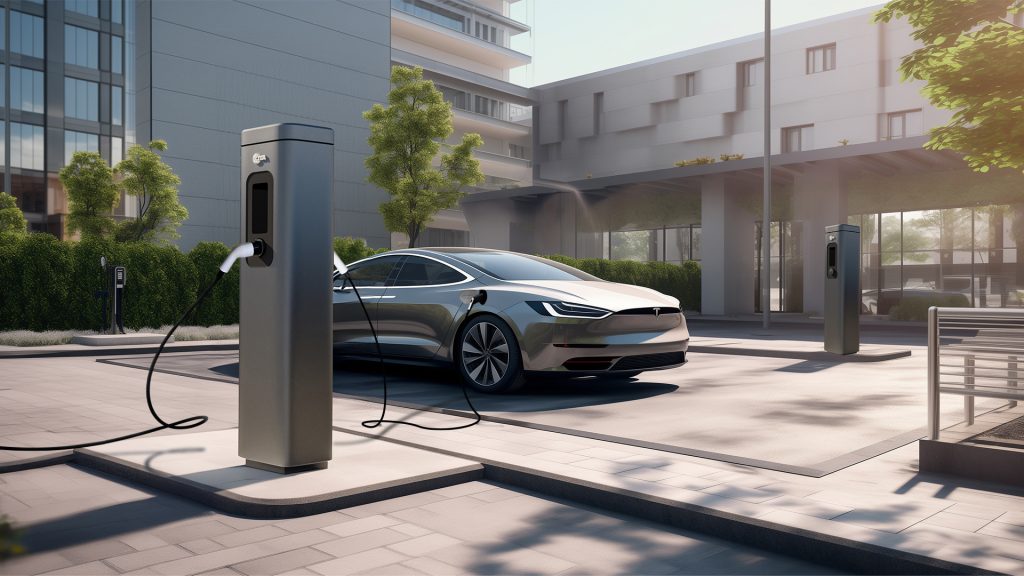
In shared environments such as apartment complexes, hotels, office buildings, and commercial parking areas, Dual AC EV chargers are gaining popularity as part of the broader Electric Vehicle Chargers in UAE ecosystem. 44 kW Dual AC chargers allow two electric vehicles to charge simultaneously from a single unit, optimising both space and electrical infrastructure.
These solutions are especially practical where multiple EVs need access without installing multiple standalone chargers.
For property managers and developers, dual chargers provide a balanced solution – supporting growing EV demand while keeping installation and operational complexity under control.
3) Fast and Ultra-Fast EV Chargers for Fleets and Public Use
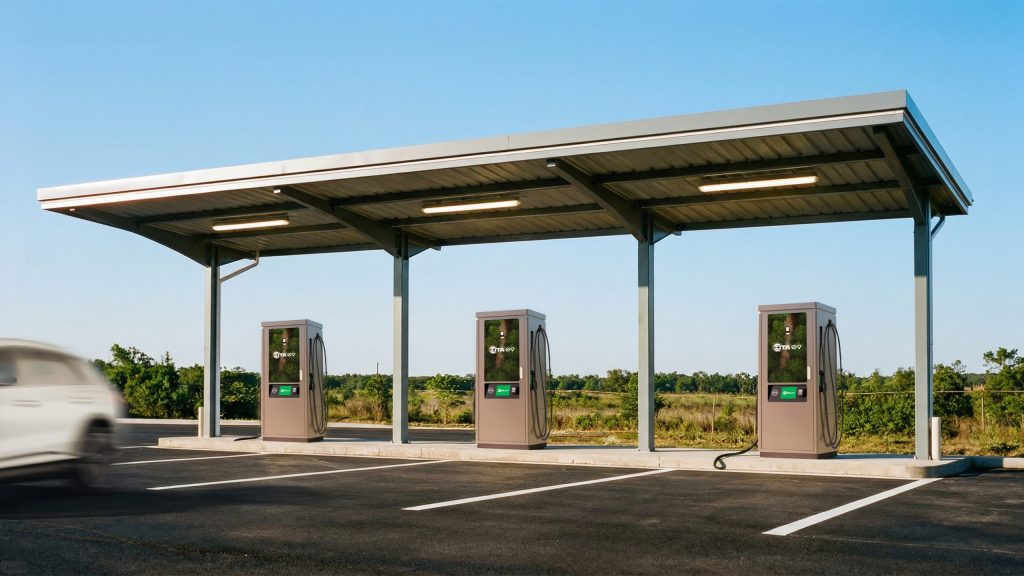
For commercial operations, fleets, highways, and public charging hubs, speed is critical. DC EV chargers ranging from 60 kW to 360 kW enable fast and ultra-fast charging, significantly reducing vehicle downtime.
These high-capacity systems are essential for taxi fleets, logistics providers, retail destinations, and long-distance travel corridors where vehicles must return to service quickly.
As EV traffic volumes rise across the UAE, DC charging infrastructure is becoming a key enabler of scalable, high-throughput electric mobility.
Preparing Today for the UAE’s Electric Tomorrow
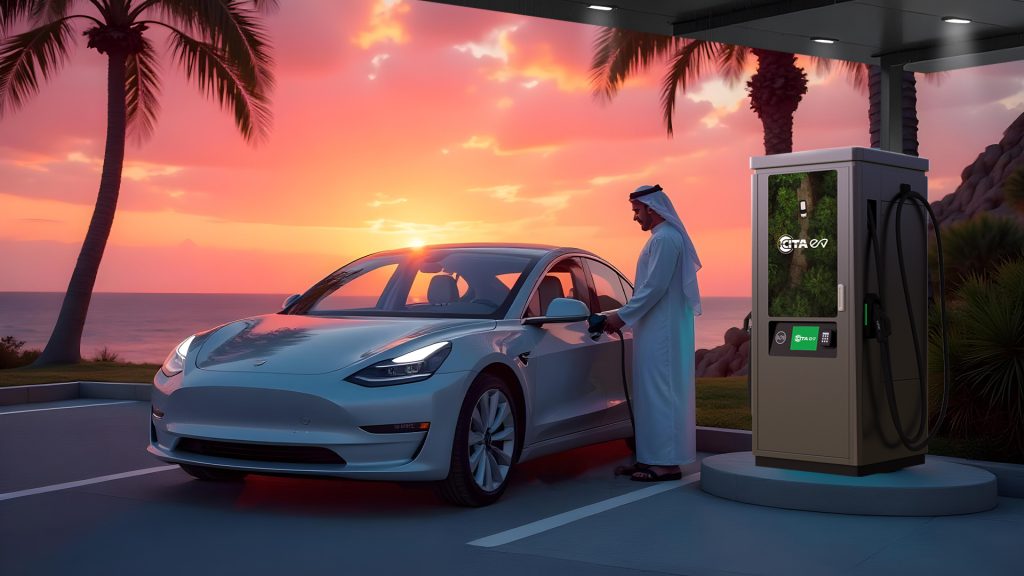
The future of Electric Vehicle Chargers in UAE is being shaped by smart technology, certified safety standards, and long-term infrastructure planning. By 2026, EV charging will no longer be a supporting feature – it will be an essential part of everyday life, seamlessly integrated into homes, workplaces, commercial developments, and public spaces across the country.
Making the right charging decisions today is critical to staying aligned with this transition. As the best EV charger company in the UAE, CITA EV Charger is actively supporting the nation’s electric mobility goals by delivering certified AC and DC charging solutions built for performance, regulatory compliance, and scalability. With continuous product innovation, smart software platforms, and a strong focus on UAE authority approvals, CITA is helping future-proof EV charging infrastructure for the demands of 2026 and beyond.
The shift to electric mobility is already underway – and the quality of today’s charging choices will define how smoothly that journey continues.
Explore CITA EV Charger’s certified EV charging solutions for homes, businesses, and fleets in the UAE.
Connect with the CITA team to plan a future-ready EV charging setup tailored to your needs.