Skip to content







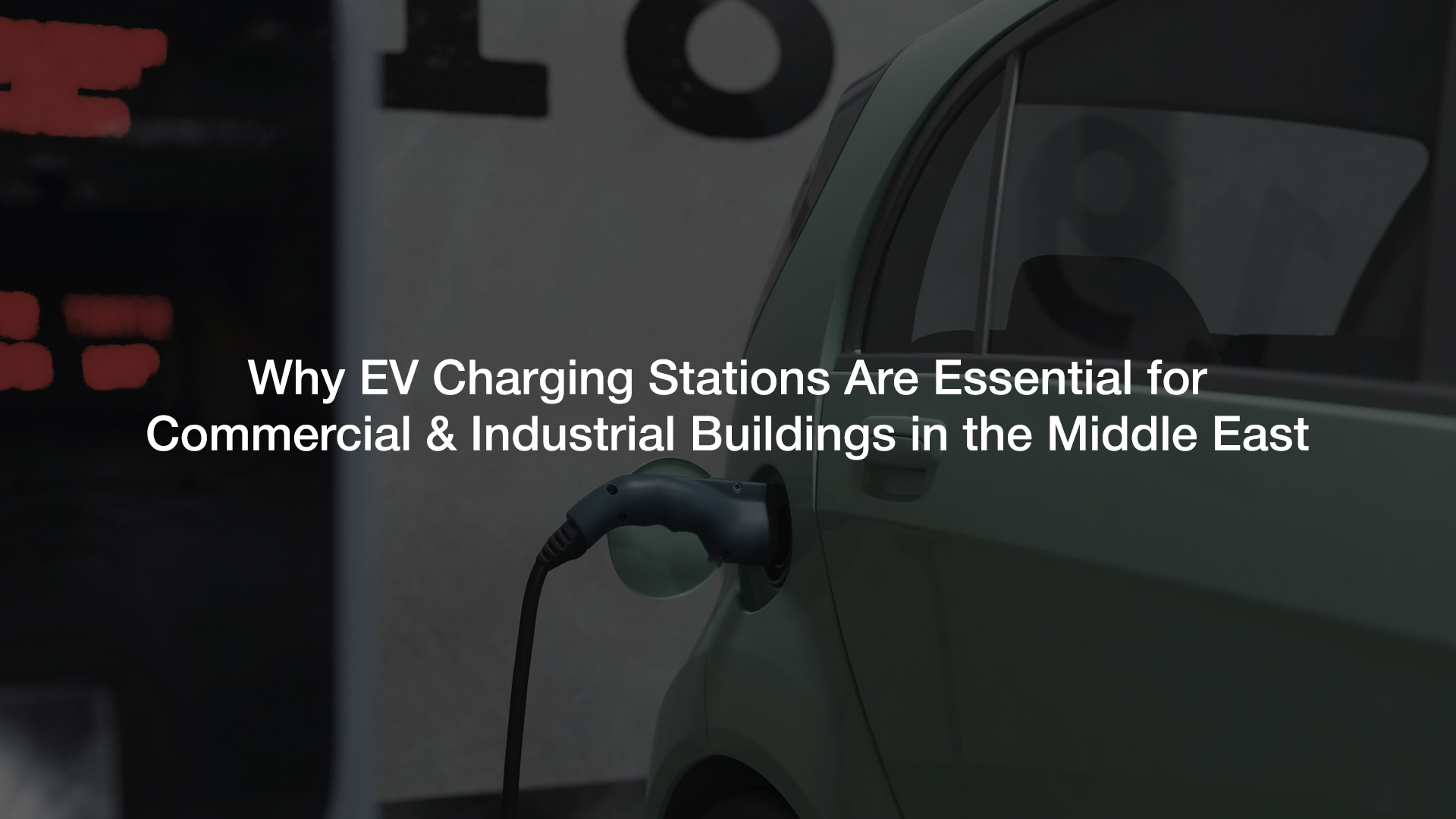
EV Charging Station Installation is rapidly becoming a core part of the UAE’s infrastructure conversation – but an important question remains: where should EV charging be deployed to create the most value and long-term impact? As electric vehicle adoption grows across Dubai, Abu Dhabi, and other emirates, the demand for dependable and scalable EV charging is rising faster than public networks alone can support.
The UAE’s commitment to clean energy, smart cities, and sustainable mobility has accelerated interest in electric vehicle chargers, yet not all locations are equally equipped to support them. Commercial and industrial buildings are increasingly recognized as ideal environments for Charging Station Installation, offering the power capacity, space, and operational flexibility that modern charging infrastructure requires.
The UAE’s EV Charging Reality - Why EV Infrastructure Matters More Than Ever
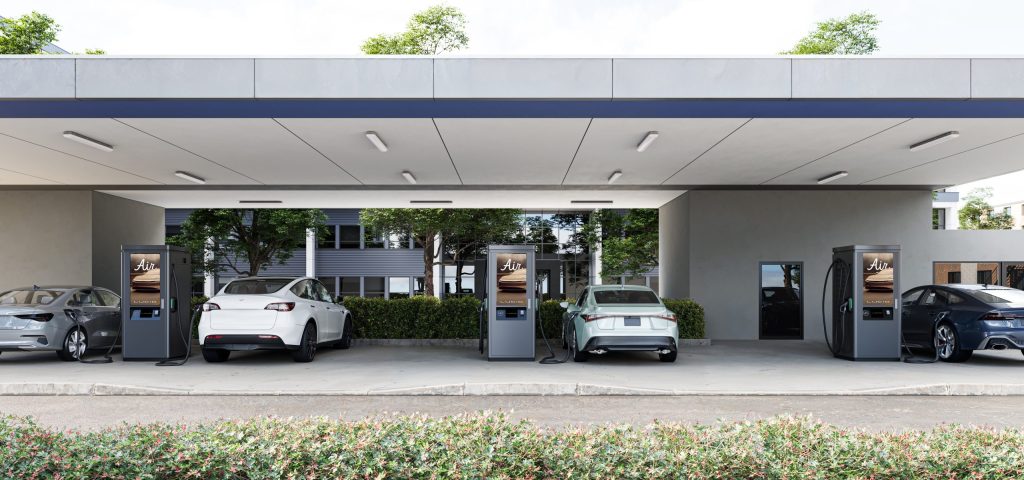
The UAE has positioned itself as a regional leader in electric mobility through policy support, smart infrastructure investments, and sustainability targets aligned with net-zero goals. As a result, EV charging demand is increasing not only among private EV owners but also across fleets, logistics providers, and commercial developments.
However, rapid EV adoption has also revealed gaps:
- Residential buildings often lack sufficient electrical capacity
- Apartment dwellers face approval and installation challenges
- Public charging stations experience peak-time congestion
This growing imbalance has highlighted the need for more structured EV Charging Station Installation strategies – particularly in locations that can support consistent usage and future expansion.
Why Commercial & Industrial Buildings Are Naturally Suited for EV Charging Station Installation
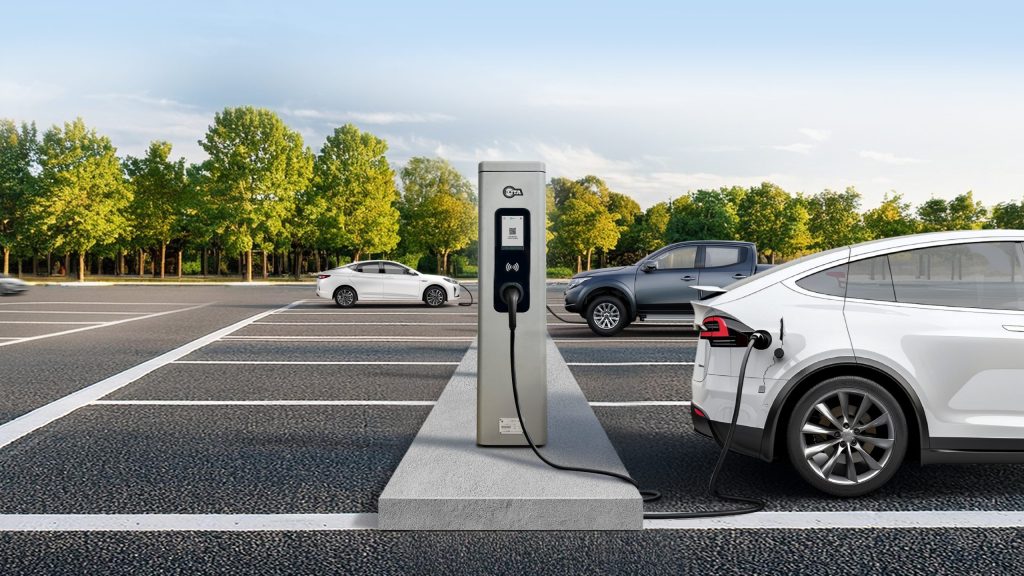
Commercial and industrial buildings are fundamentally designed for higher energy consumption, controlled access, and long-duration vehicle parking. These characteristics align closely with the technical and operational requirements of EV Charging Station Installation.
Unlike residential environments, commercial and industrial sites typically feature:
- Centralised electrical infrastructure
- Professionally managed facilities
- Purpose-built parking layouts
These factors allow electric vehicle chargers to be integrated as part of the building’s energy ecosystem rather than treated as add-on installations.
Commercial Buildings: The Natural Hub for Daily EV Charging
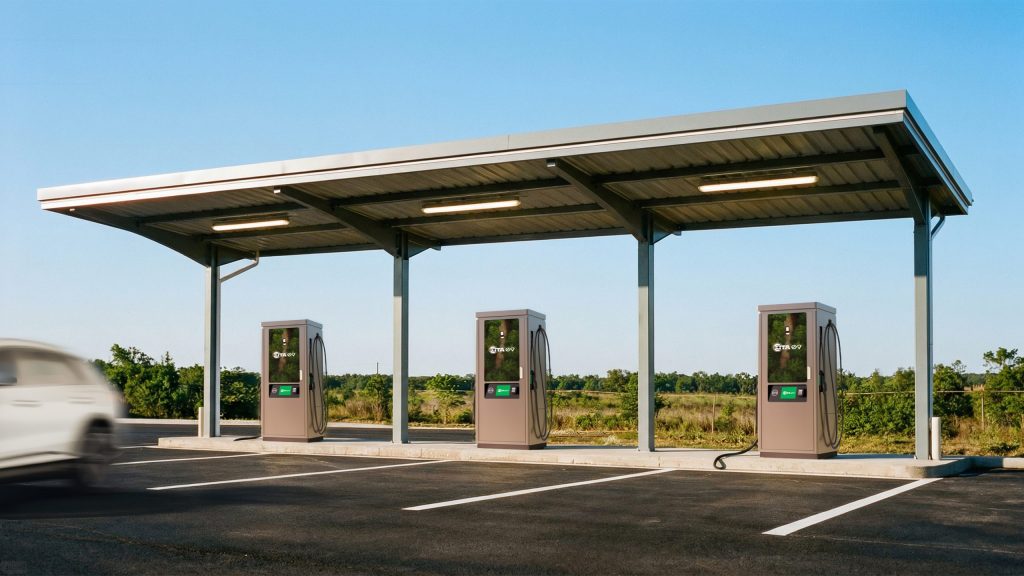
Commercial buildings are where vehicles remain parked for extended periods – perfect for efficient EV charging. Employees, visitors, and fleet vehicles can charge without disrupting daily operations.
Key advantages include
- Predictable dwell time for vehicles
- Centralised electrical infrastructure
- High visibility and accessibility
This makes Charging Station Installation in commercial properties a logical extension of workplace amenities rather than a standalone utility.
Industrial Facilities: Built for High-Capacity EV Charging

Industrial sites such as factories, warehouses, ports, and logistics centres offer unmatched advantages for EV Charging Station Installation:
- Higher grid capacity
- Larger physical footprints
- Fewer zoning restrictions
These environments are particularly suited for fast and ultra-fast electric vehicle chargers, supporting heavy-duty fleets and high-utilisation vehicles.
Advantages of EV Charging Station Installation in Commercial and Industrial Buildings
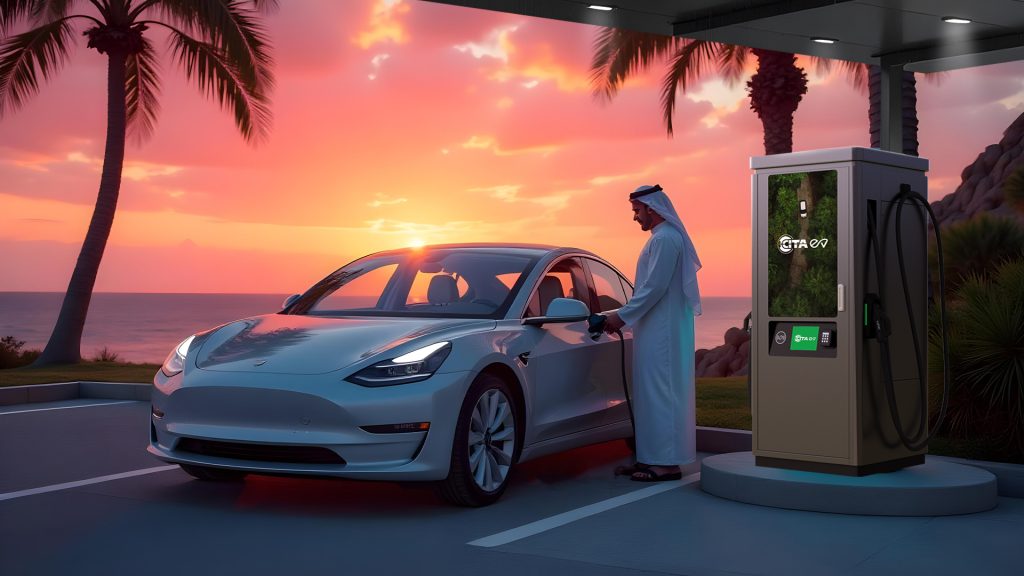
As EV adoption accelerates across the UAE, the success of Charging Station Installation increasingly depends on choosing the right locations. Industrial and commercial sites offer a combination of electrical capacity, spatial flexibility, and operational control that residential and public spaces often lack.
Below are the key advantages that make these sites ideal for scalable, reliable, and future-ready EV charging deployment in the Middle East.
1) High Electrical Capacity for Scalable EV Charging
In the UAE, confidence in EV Charging starts with compliance. Charging systems that meet local authority requirements are designed to handle regional electrical conditions, temperature extremes, and continuous daily use.
Guidelines and approvals from authorities such as DEWA play a critical role in ensuring that chargers installed in homes, workplaces, and public locations meet safety and performance expectations.
For homeowners and businesses alike, this reliability means charging becomes a routine activity rather than a technical concern, supporting everyday EV use with peace of mind.
2) Space Availability and Flexible Charger Layouts
Industrial warehouses, logistics hubs, and commercial campuses offer ample space for organised charger placement. This flexibility supports efficient traffic flow, dedicated charging bays, and future charger additions.
For Charging Station Installation, such layouts are ideal for installing multiple EV chargers without congestion – especially in high-usage environments like factories, offices, and retail complexes.
3) Better Performance in UAE Climate Conditions
The UAE’s heat, dust, and humidity demand durable infrastructure. Commercial and industrial sites allow better ventilation, shaded installations, and protective enclosures, improving the long-term performance of electric vehicle chargers.
These environments reduce overheating risks and downtime, ensuring EV Charging Station Installation remains reliable even during peak summer conditions common across Dubai and Abu Dhabi.
4) Ideal Support for Fleet and Operational EV Charging
Fleet electrification across logistics, delivery, and public transport sectors requires predictable and controlled EV charging access. Industrial sites enable dedicated fleet charging zones, scheduled overnight charging, and load-managed operations.
In such settings, Charging Station Installation becomes a strategic asset – supporting uptime, reducing operational risk, and improving overall fleet efficiency in the Middle East.
5) Easier Compliance, Management, and Long-Term ROI
Commercial and industrial developments in the UAE typically follow structured compliance and facility management processes. This simplifies approvals, maintenance, and monitoring for EV Charging Station Installation.
With higher charger utilisation and centralised energy management, these sites achieve better long-term returns – making them a preferred choice for many commercial ev charger manufacturer solutions and enterprise-grade EV charging solutions.
Example Charging Configurations for Commercial & Industrial Sites
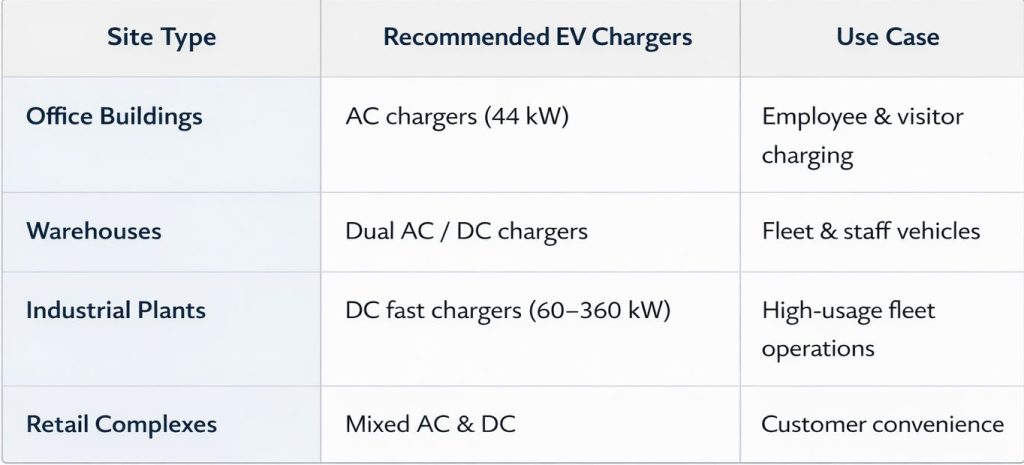
These configurations demonstrate how Charging Station Installation can be tailored to site-specific needs.
How to Choose the Right EV Charging Solution for Commercial and Industrial Buildings
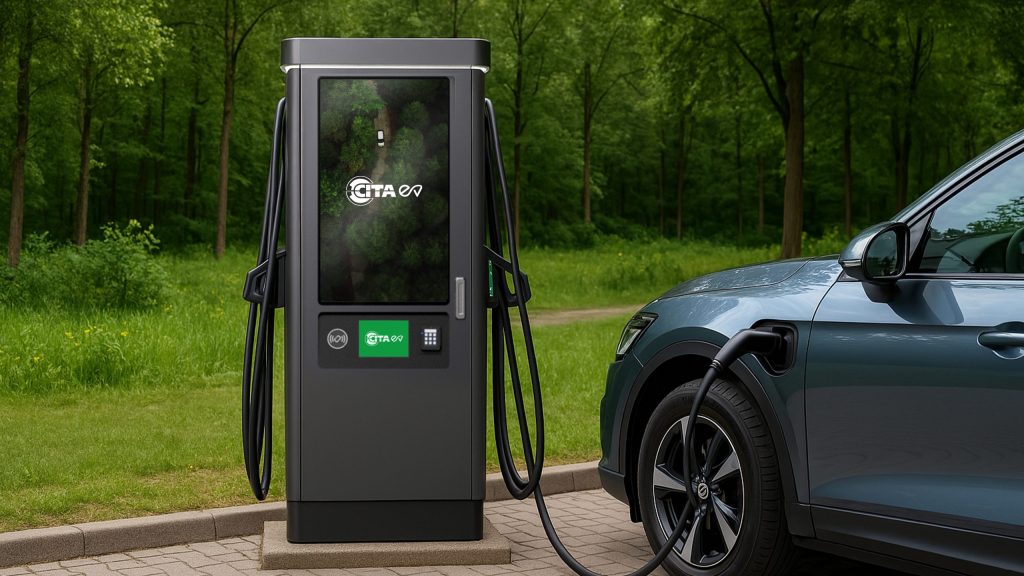
Selecting the right Charging Station Installation approach for commercial and industrial buildings in the UAE goes beyond simply choosing chargers. The right EV charging solutions must align with site capacity, usage patterns, climate conditions, and long-term scalability. A well-planned selection ensures reliable EV charging, protects infrastructure investments, and supports future electric vehicle growth without operational disruption.
Below are the key factors decision-makers should consider when evaluating electric vehicle chargers for commercial and industrial applications.
1) Match the Charging Solution to Usage Demand
The first step in choosing the right EV Charging Station Installation is understanding how vehicles will use the EV chargers. Commercial sites with long parking durations may benefit from AC charging, while industrial facilities with fleets or logistics vehicles often require DC fast charging.
Assess:
- Number of EVs charging daily
- Charging duration and turnaround expectations
- Peak usage hours
Choosing EV chargers based on real usage ensures efficient EV charging without overloading infrastructure.
2) Ensure Electrical Capacity and Load Flexibility
Commercial and industrial buildings vary significantly in electrical readiness. A suitable Charging Station Installation must work within existing power limits while allowing future expansion.
Look for EV charging solutions that support:
- Load balancing
- Scalable power upgrades
- Multiple EV chargers operating simultaneously
This flexibility prevents downtime and protects building electrical systems.
3) Prioritise Durability for UAE Climate Conditions
In the Middle East, environmental resilience is critical. Electric vehicle chargers installed in commercial and industrial sites must withstand extreme heat, dust, and outdoor exposure.
Reliable EV Charging Station Installation should consider:
- High IP and impact ratings
- Outdoor-ready enclosures
- Thermal stability for consistent performance
Durable hardware ensures long-term reliability of EV charging operations in the UAE.
4) Choose Solutions with Smart Management Capabilities
Modern Charging Station Installation increasingly relies on intelligent software to manage operations efficiently. Smart charging platforms help commercial and industrial operators monitor usage, control power distribution, and plan future expansion.
Advanced EV charging solutions typically offer:
- Real-time monitoring
- Energy optimisation
- User access control
Many globally deployed systems, including platforms used by providers such as CITA EV Charger, integrate charge point management to support scalable commercial deployments.
5) Verify Compliance, Certification, and Support
Compliance with UAE regulatory standards is essential for any Charging Station Installation. Commercial and industrial projects benefit from choosing solutions that meet local authority requirements and offer long-term technical support.
Key considerations include:
- Certified hardware approvals
- Professional installation standards
- Ongoing maintenance and support availability
Certified electric vehicle chargers reduce approval risks and ensure safe, uninterrupted EV charging operations.
Planning the Right EV Charging Station Installation Strategy
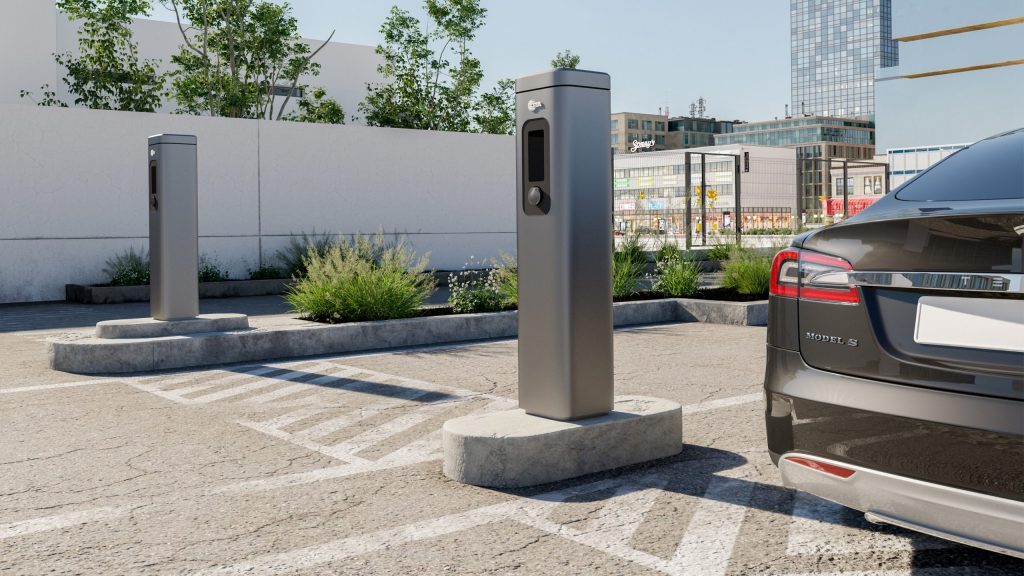
Commercial and industrial buildings are uniquely positioned to lead the next phase of EV charging growth in the Middle East – and choosing the right technology partner is key to getting it right. This is where the CITA EV Charger plays a strategic role in enabling reliable and future-ready EV charging infrastructure across the UAE.
CITA EV Charger offers a comprehensive portfolio of certified AC and DC EV chargers, along with a powerful Charge Point Management System (CPMS) designed to support scalable, efficient, and intelligent Charging Station Installation in commercial and industrial environments. Engineered to meet UAE conditions and tested to local authority standards, CITA’s chargers are built for durability, performance, and long-term operational reliability. To ensure smooth deployment, CITA works closely with a network of expert installation and commissioning partners who help businesses plan, deploy, and maintain EV charging infrastructure in compliance with regional requirements.
For organisations evaluating EV charging in the UAE, aligning with a globally experienced EV charging technology provider – supported by certified installation partners – helps simplify decision-making, reduce risk, and future-proof investments.
Ready to Plan Smarter EV Charging in the UAE?
If you’re exploring EV Charging Station Installation for commercial or industrial facilities, now is the time to assess site readiness and long-term charging goals.
Connect with CITA EV Charger for a free consultation and explore certified EV chargers, smart charging software, and scalable solutions supported by trusted installation partners – built to grow with your business.