Skip to content







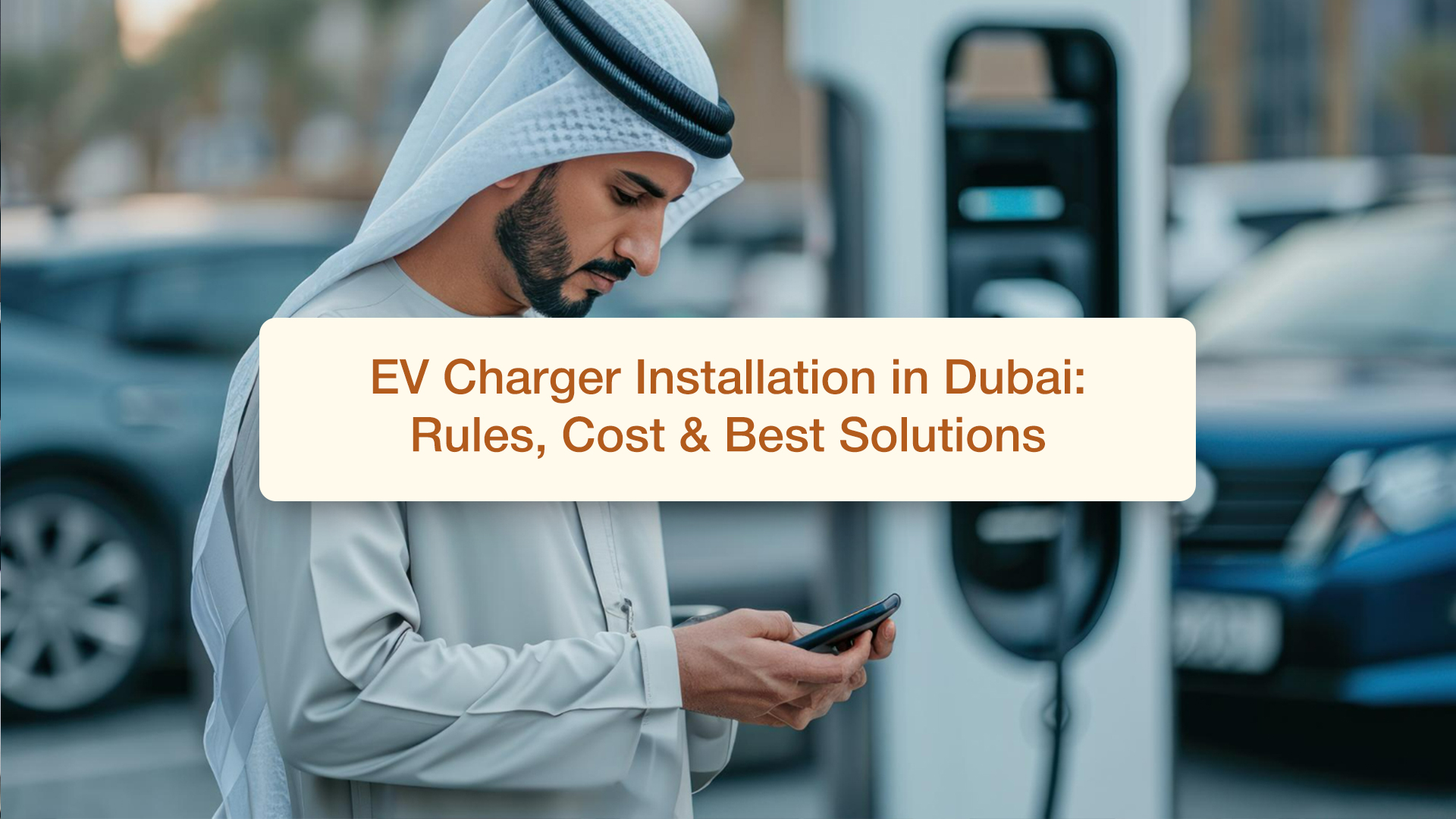
EV Charger Installation in Dubai is rapidly becoming a necessity rather than a luxury. With the UAE pushing aggressively toward clean mobility, Dubai aims to have tens of thousands of EV charging points by the end of the decade.
According to regional transport data, EV registrations in Dubai are growing steadily each year, supported by strong government incentives and expanding charging infrastructure.
As adoption rises, many homeowners, businesses, and developers are actively exploring electric charger installation in Dubai, but often face questions around rules, costs, and the best solutions available.
Key Highlights
- Complete guide to EV Charger Installation in Dubai – rules, costs, and solutions.
- DEWA approvals and installation requirements explained.
- AC vs DC charger options for homes and businesses.
- Key factors affecting installation costs in Dubai.
- How to choose the right EV charger installation partner.
Why EV Charger Installation is Rising in Dubai
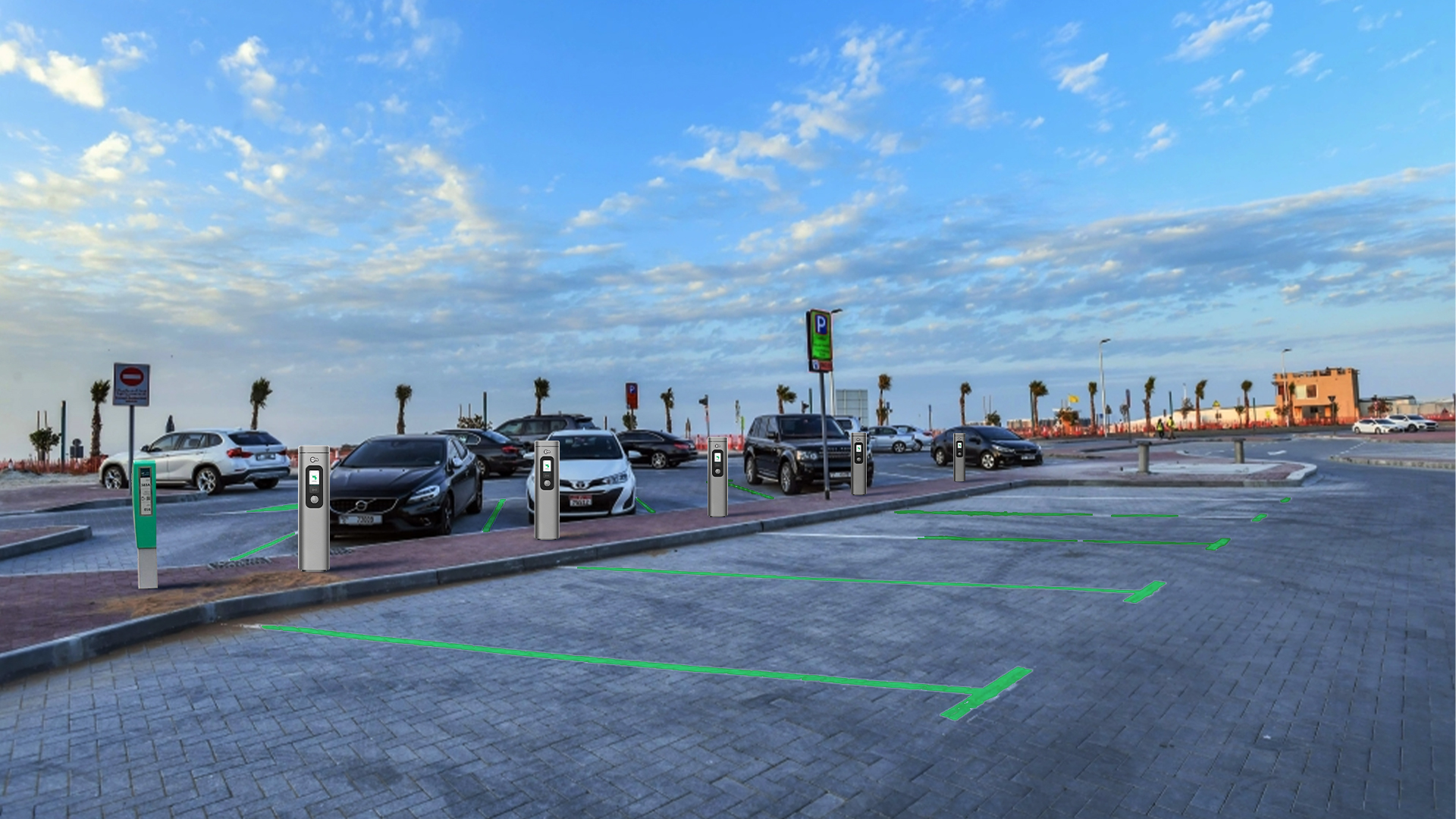
Dubai’s sustainability roadmap and smart city initiatives are accelerating EV adoption across residential and commercial sectors. Authorities like DEWA have simplified processes to encourage infrastructure growth, making EV Charger Installation in Dubai easier than ever before.
Several factors are driving demand:
- Rising EV ownership in premium residential communities
- Workplace sustainability mandates
- Government push for green mobility
- Fleet electrification in logistics and mobility sectors
This demand has created a growing ecosystem of installers, manufacturers, and technology providers offering various EV charging solutions.
Rules for EV Charger Installation in Dubai
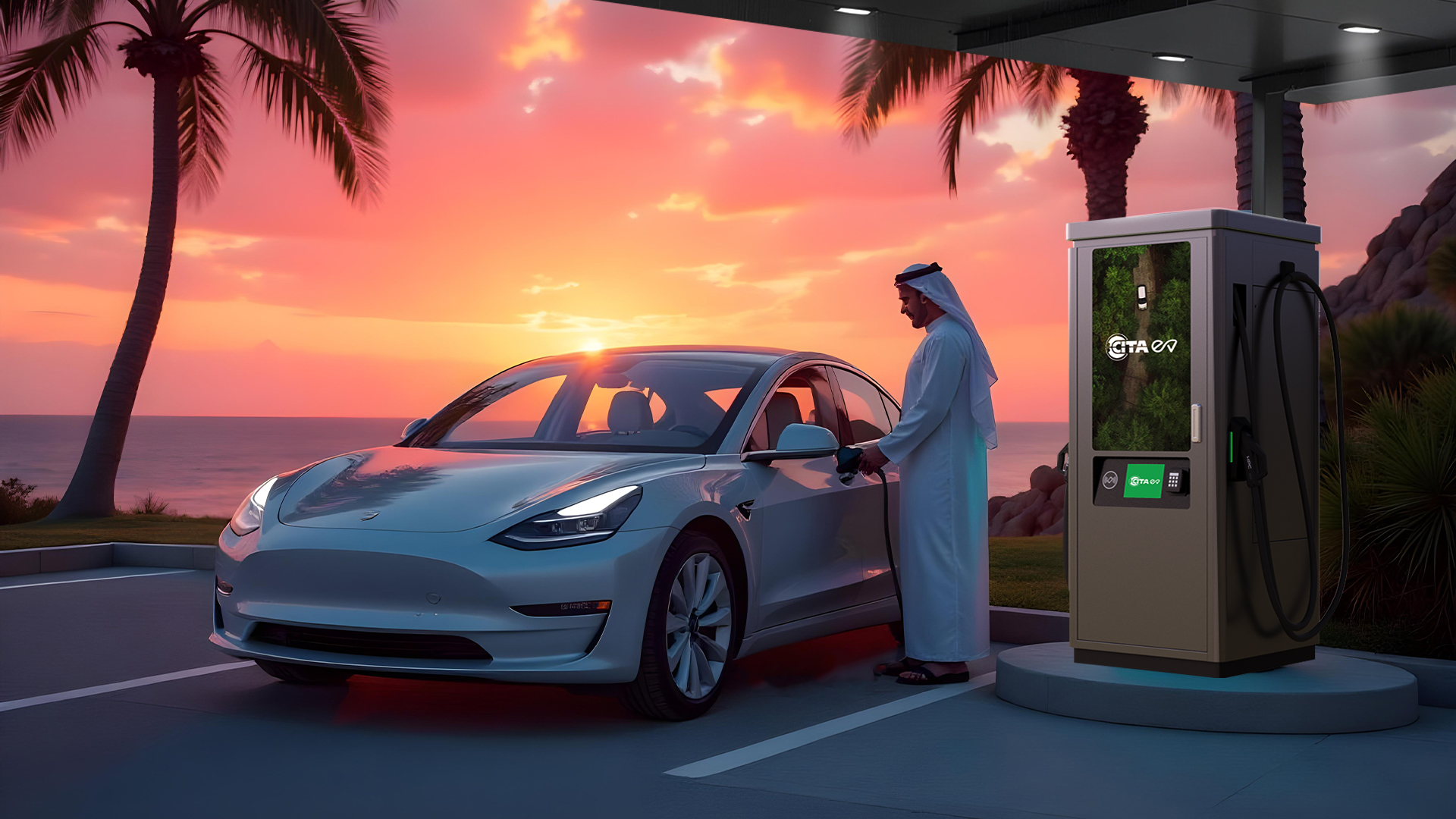
Understanding regulatory requirements is the first step toward smooth installation. Dubai has structured approval processes to ensure safety and grid compatibility.
1) DEWA Approval Requirements
Most residential and commercial installations require DEWA clearance. The process includes:
- Load assessment and electrical feasibility
- Certified installer involvement
- Equipment compliance validation
Choosing a certified EV Charger significantly reduces approval delays and ensures safety compliance.
2) Building Management Permissions
If you live in an apartment or gated community, approvals from building management or developer authorities may be required. Many communities now support EV Charger Installation Dubai, but documentation and electrical infrastructure checks are still necessary.
3) Certified Equipment Standards
Authorities recommend installing EV chargers that meet international safety standards. This ensures compatibility with Dubai’s climate and grid conditions while improving long-term reliability.
Using a certified EV Charger helps avoid issues related to insurance, warranties, and operational approvals.
Types of Chargers You Can Install
The type of charger you choose depends on usage, location, and budget.
AC EV Charger (Home & Destination Charging)
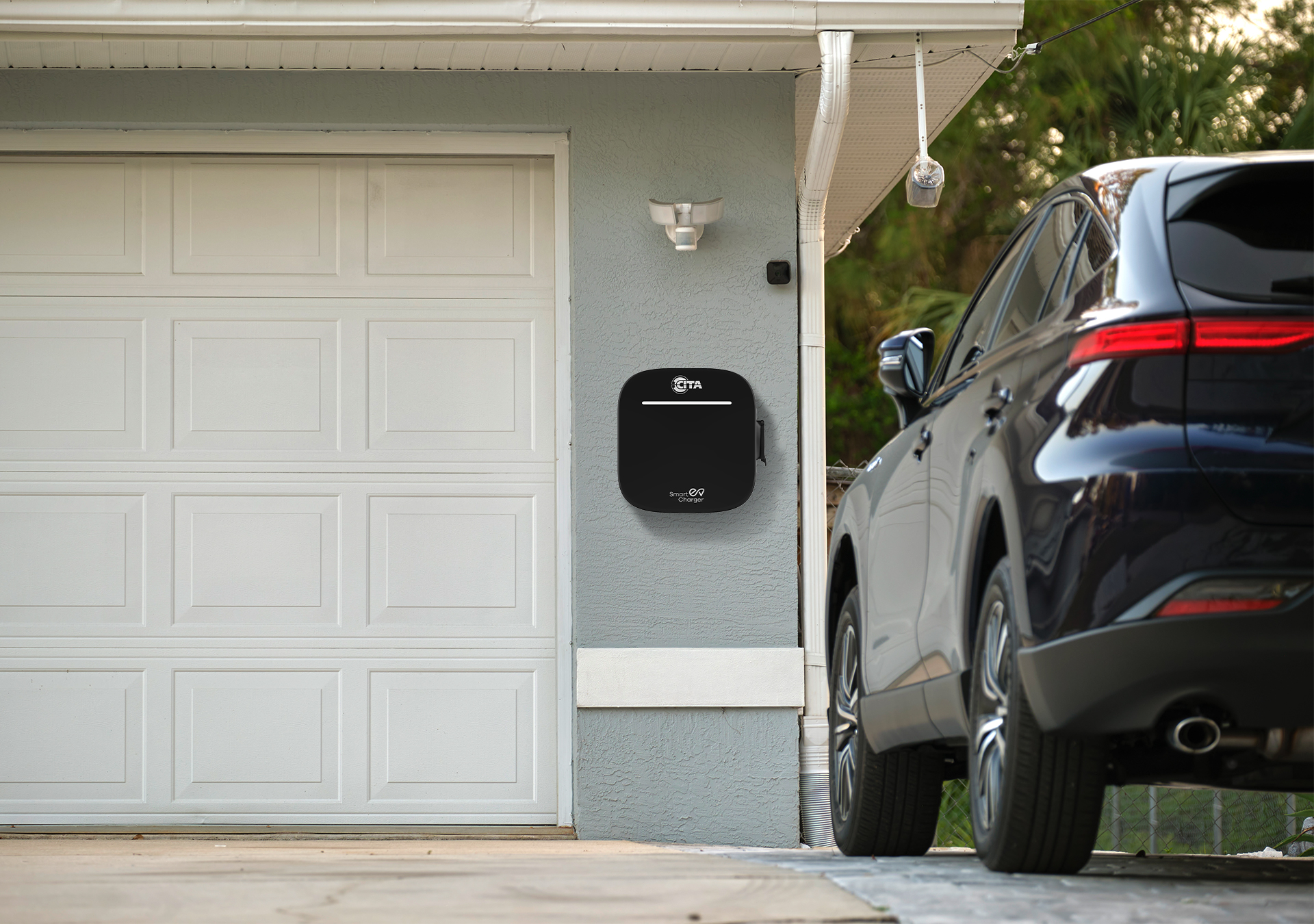
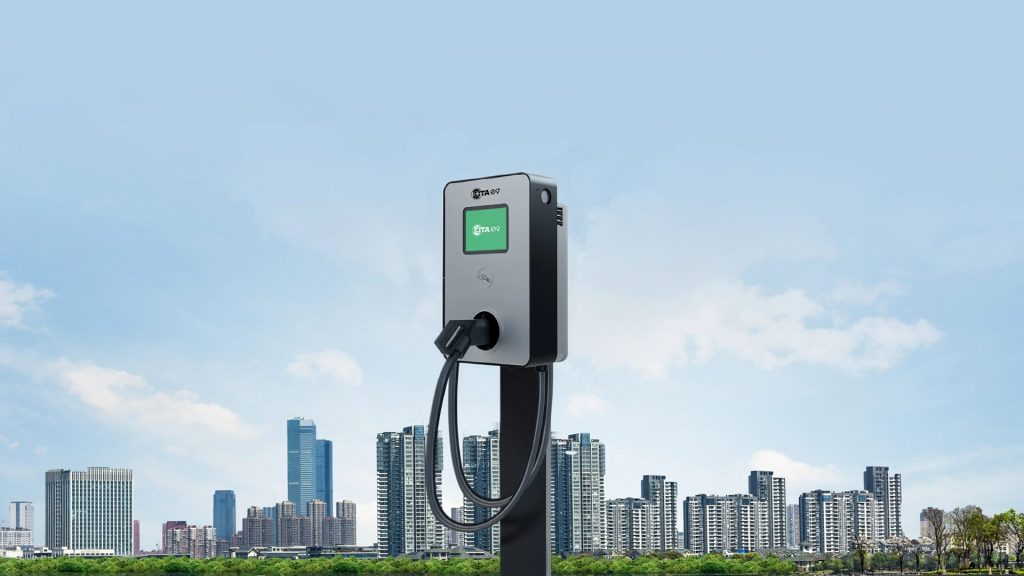
An AC EV charger is the most common option for residential installations. Typically ranging between 7 kW and 22 kW, these EV chargers are ideal for overnight charging.
They are widely used in:
- Villas and apartments
- Office parking
- Hotels and malls
Modern AC chargers now include smart features like mobile app control and load balancing.
Dual AC Chargers for Shared Spaces
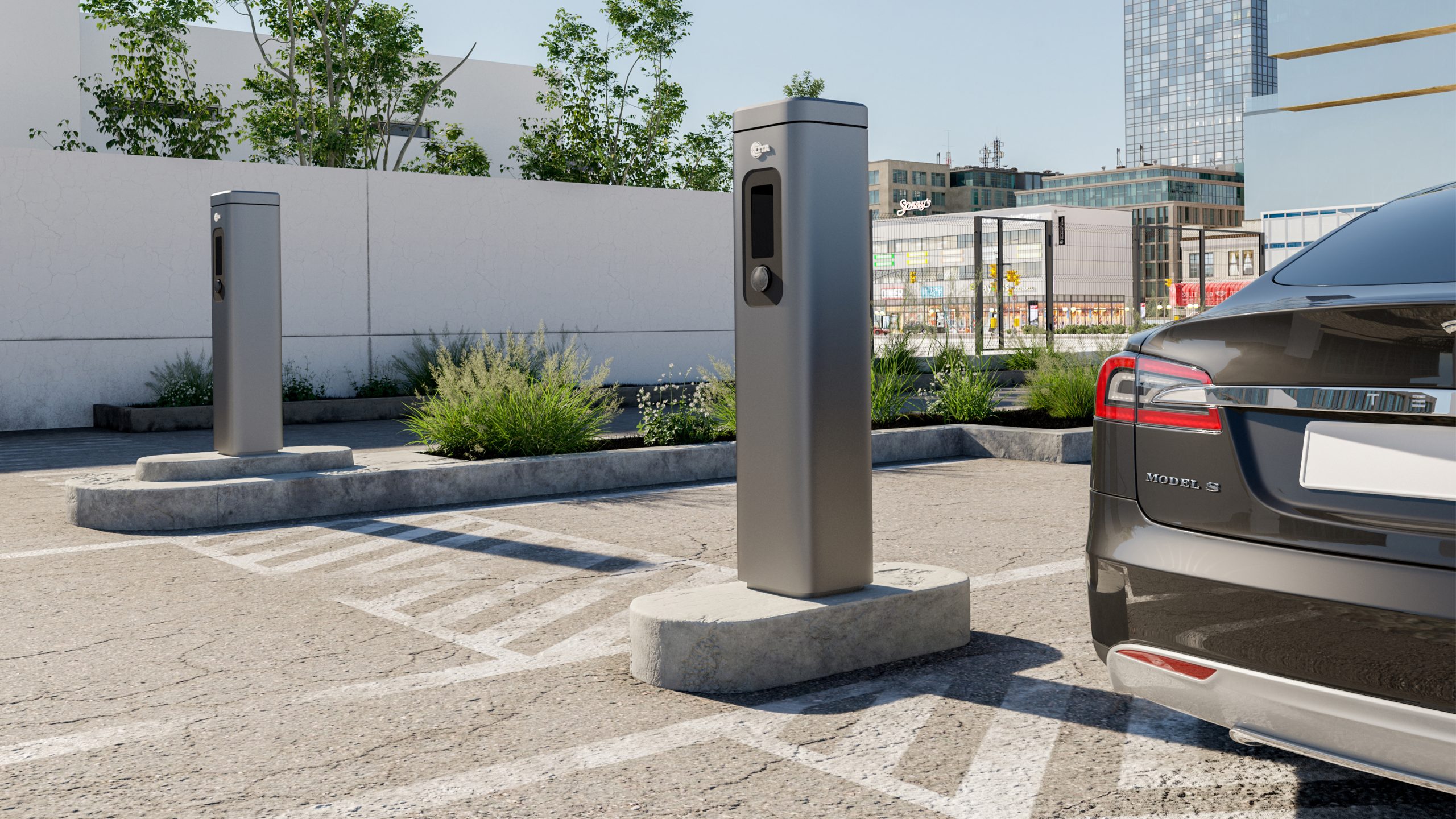
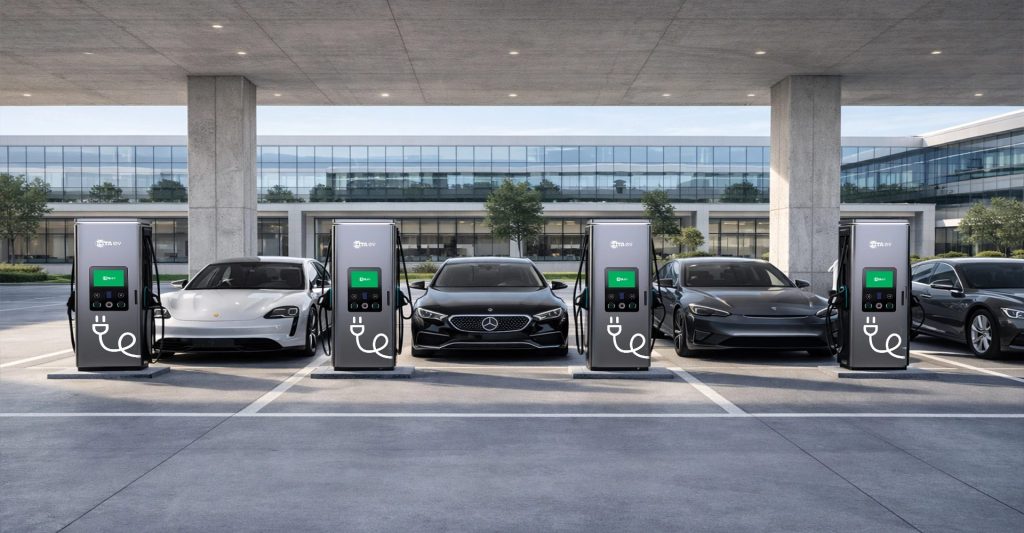
For workplaces and semi-public environments, dual-output AC chargers (such as 44 kW dual 2×22 kW systems) allow two vehicles to charge simultaneously. These are popular in offices and commercial properties, aiming to offer value-added amenities.
DC EV Charger (Fast & Commercial Charging)
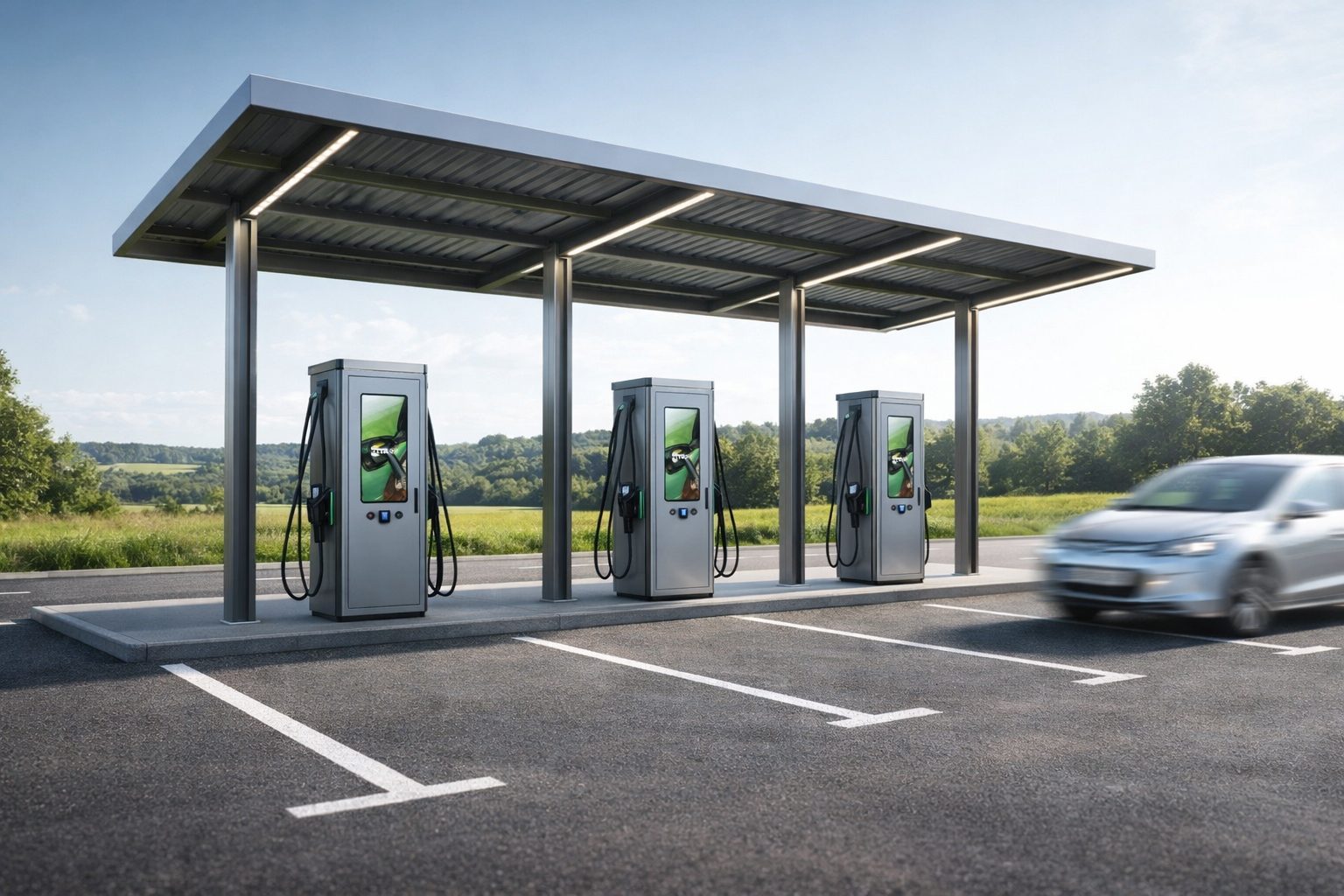
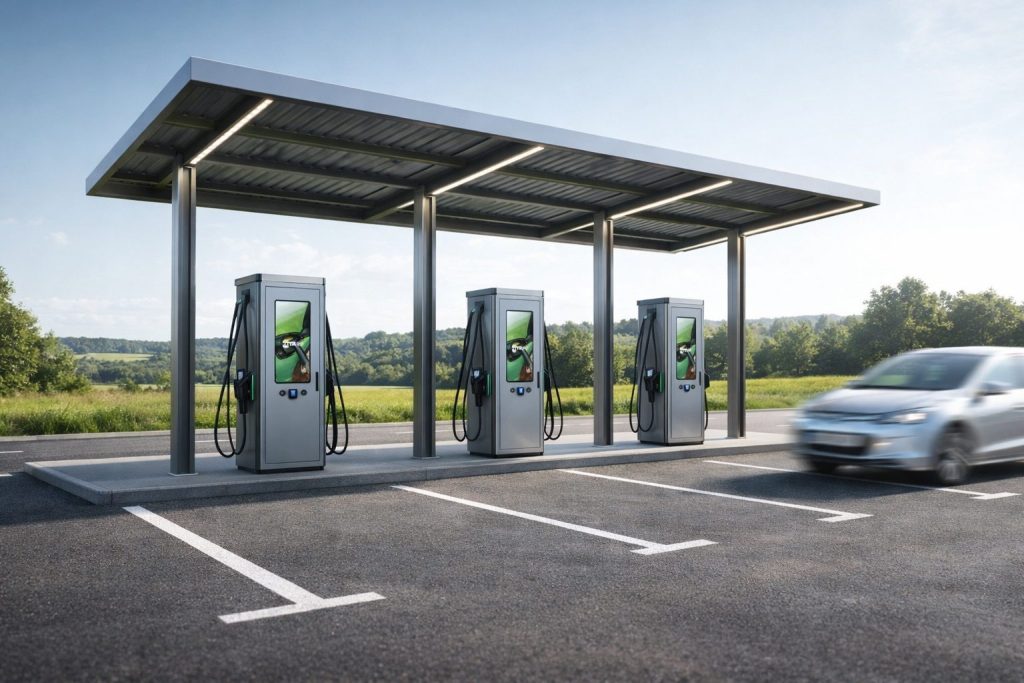
A DC EV Charger delivers significantly faster charging and is typically used for public infrastructure or fleet operations. These chargers range from 30 kW to ultra-fast 480 kW systems.
They are commonly deployed at:
- Highways and petrol stations
- Logistics hubs
- Public charging networks
While more expensive, DC chargers reduce downtime and improve charging turnover.
Cost of EV Charger Installation in Dubai
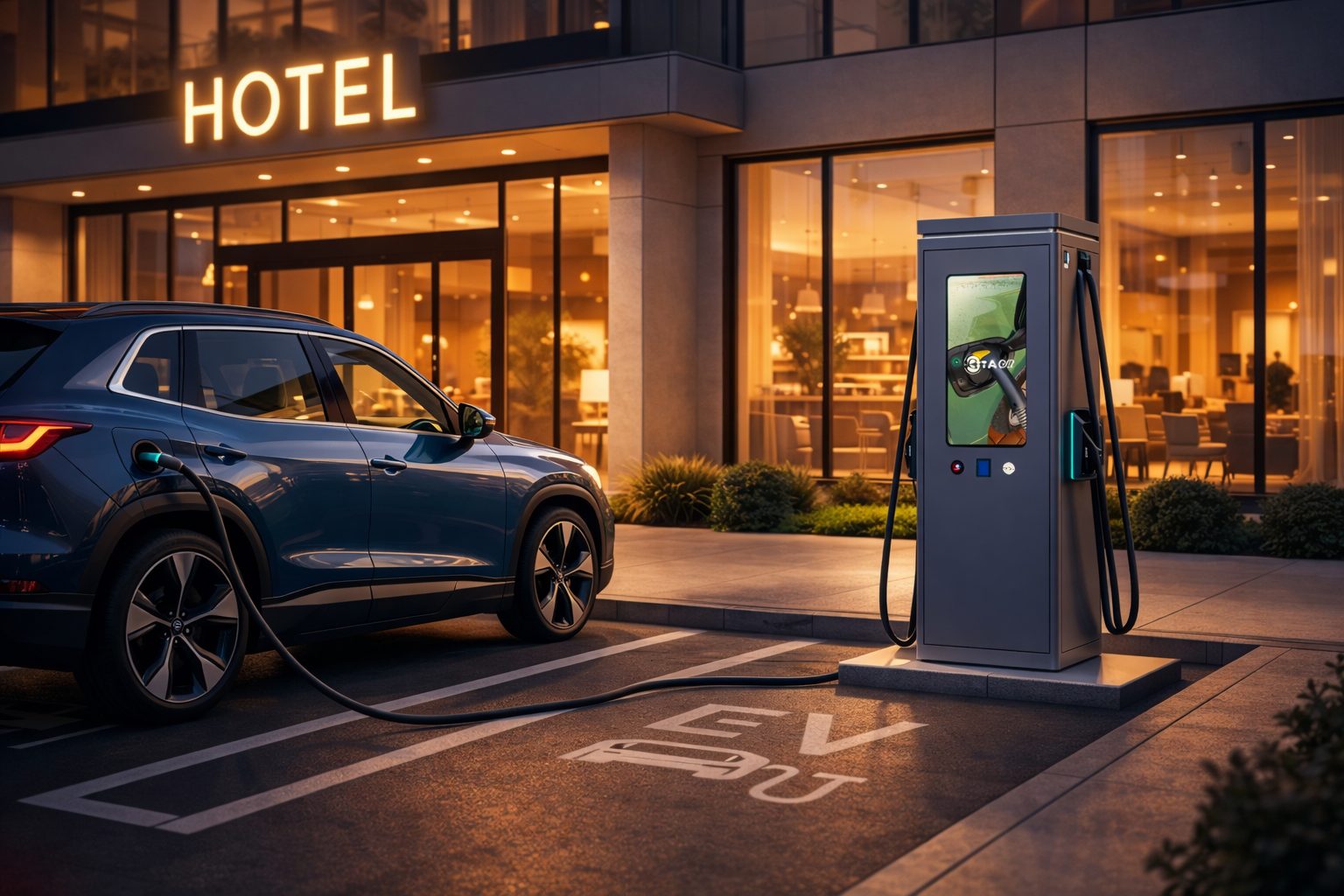
The cost of EV charger installation in Dubai can vary depending on the charger type, site conditions, and infrastructure readiness. Residential setups, especially in villas, are usually simpler, while apartments and commercial locations may require additional approvals, electrical upgrades, and load assessments.
Regulatory frameworks, including guidelines linked to DEWA and Dubai’s green mobility initiatives, can also influence installation scope and compliance requirements. Beyond the charger itself, factors like cabling, civil work, software integration, and maintenance contribute to the overall investment.
For the most accurate estimate, it’s best to consult a certified installer and request a detailed cost breakdown covering hardware, installation, approvals, and long-term support. This ensures transparency and helps you plan a future-ready charging setup in Dubai.
Best Solutions for EV Charger Installation in Dubai
Choosing the right setup depends on your use case. Here’s how to identify the best EV charger installation for your needs.
For Homeowners
A smart AC EV charger between 7kW and 22kW is typically sufficient. Look for:
- Weather-resistant design
- App connectivity
- Certified EV Charger approvals
Many homeowners are now opting for future-ready chargers that support solar integration and smart energy management.
For Businesses
Commercial users should consider dual AC chargers or mid-range DC chargers depending on traffic volume. Offices and malls benefit from dual AC setups that balance cost and usability.
For Fleets and Developers
Fleet operators and real estate developers often require scalable infrastructure. DC fast chargers combined with smart management software allow monitoring, billing, and usage analytics – essential for large deployments.
This is where working with a top EV charger company in Dubai becomes critical, as installation expertise matters as much as the hardware.
Choosing the Right EV Charger Installation Partner
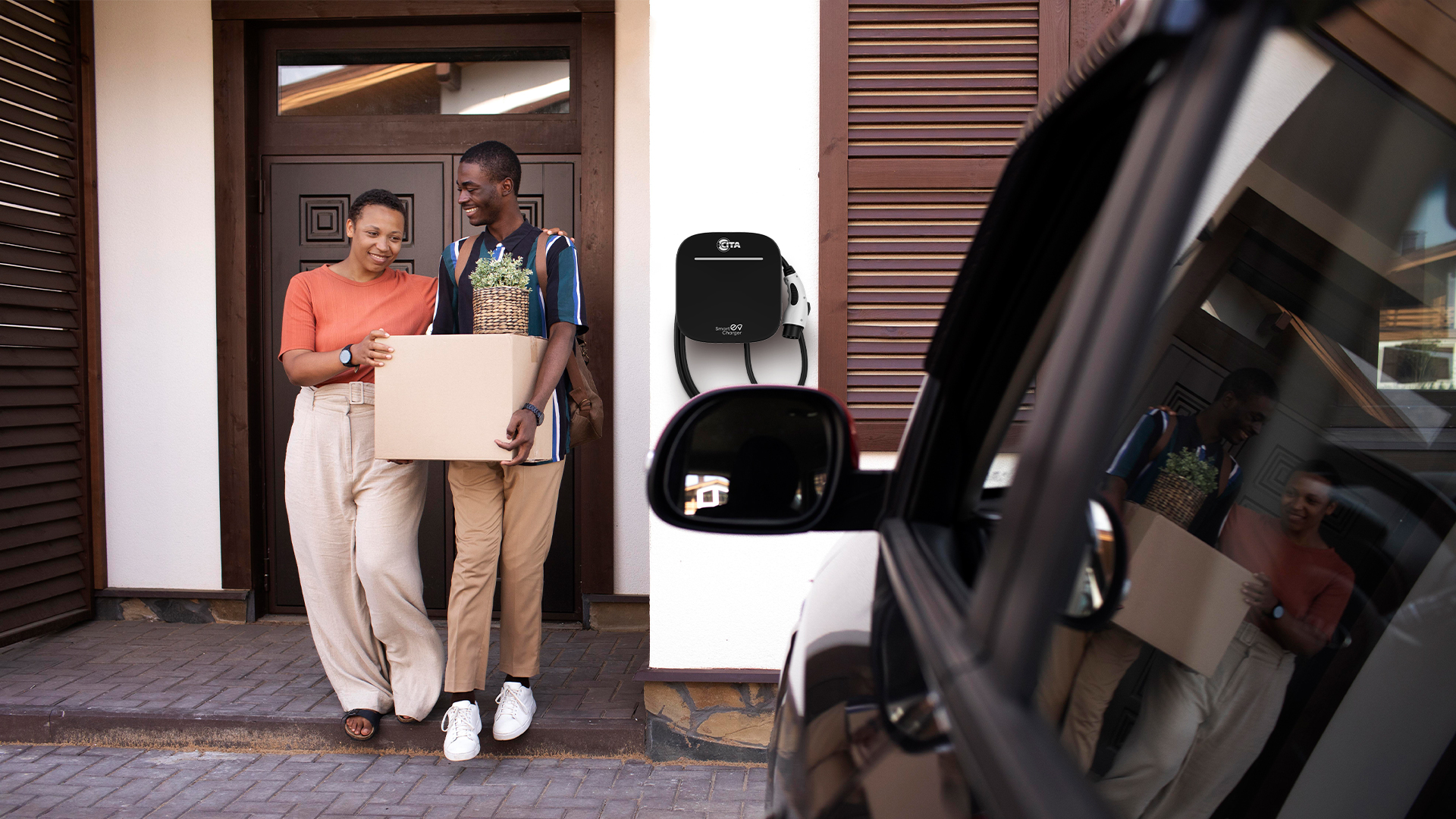
Selecting the right technology and installation partner is just as important as choosing the charger itself. A reliable partner ensures smooth installation, compliance, and long-term performance.
Look for providers who offer:
- End-to-end consultation – They should guide you from charger selection and site assessment to installation and optimization.
- Certified installers – Proper certifications ensure safe installation and compliance with UAE electrical standards.
- Regulatory expertise – Experienced providers can handle approvals like DEWA and building permissions efficiently.
- After-sales support – Strong support ensures maintenance, updates, and long-term reliability of your charging setup.
The best EV charger installation Dubai typically comes from companies that combine global technology with strong local deployment expertise.
Installing the Right EV Charger in Dubai
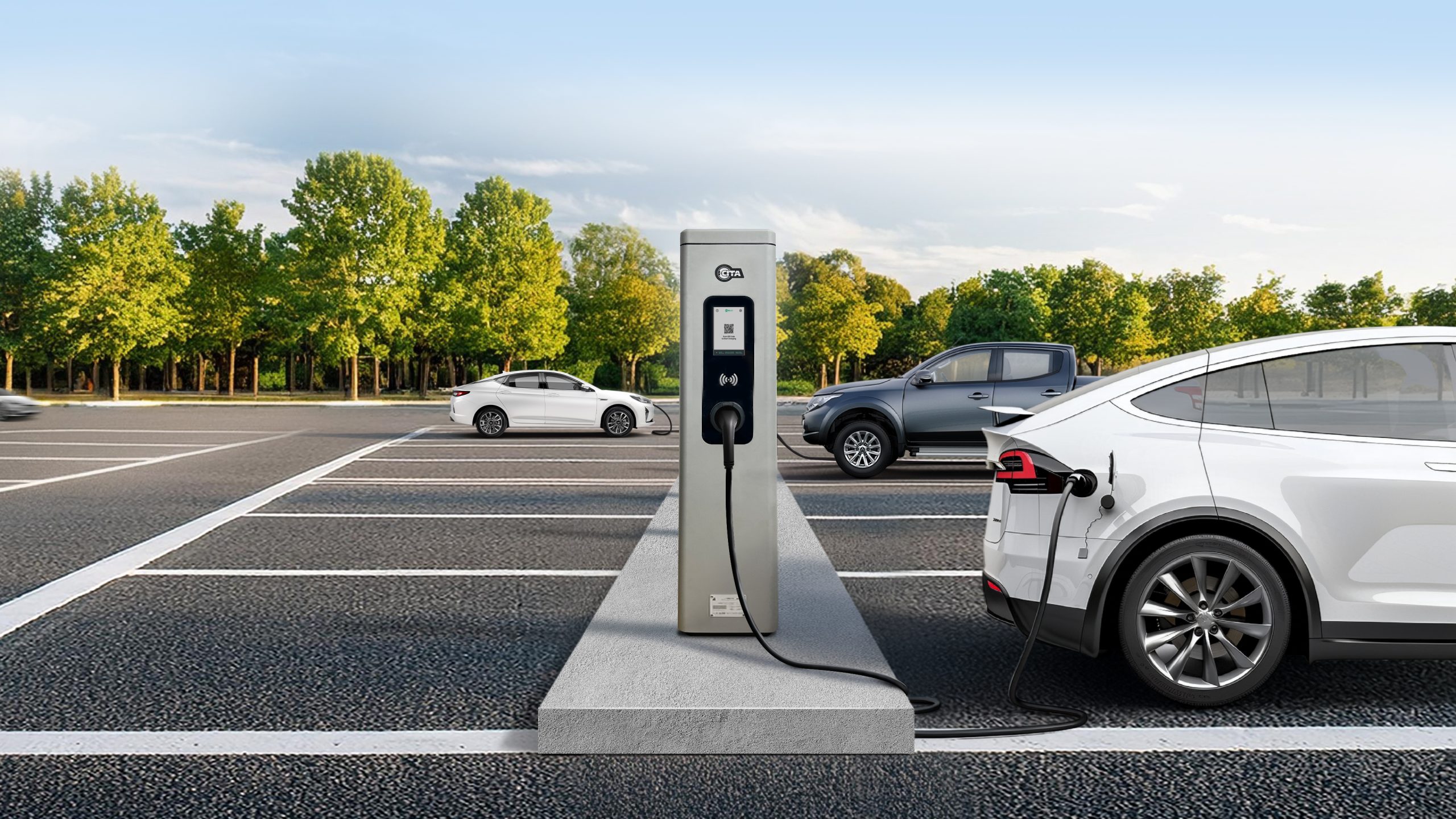
EV Charger Installation is no longer complex – but making the right choices still matters. From understanding DEWA regulations and installation costs to selecting the right charger type, careful planning ensures a smooth and future-ready deployment.
At CITA EV Charger, we simplify the entire EV charging journey. From consultation to commissioning, our UK-engineered charging solutions are supported by certified installation partners across Dubai and the wider UAE. Whether you need a residential AC EV charger, dual commercial charging systems, or high-performance DC EV Charger infrastructure, we provide end-to-end support tailored to your needs.
If you’re planning EV Charger Installation in Dubai, our experts are here to guide you every step of the way.
Book a Free EV Charging Consultation! Get expert advice on charger selection, installation, and approvals.