Skip to content







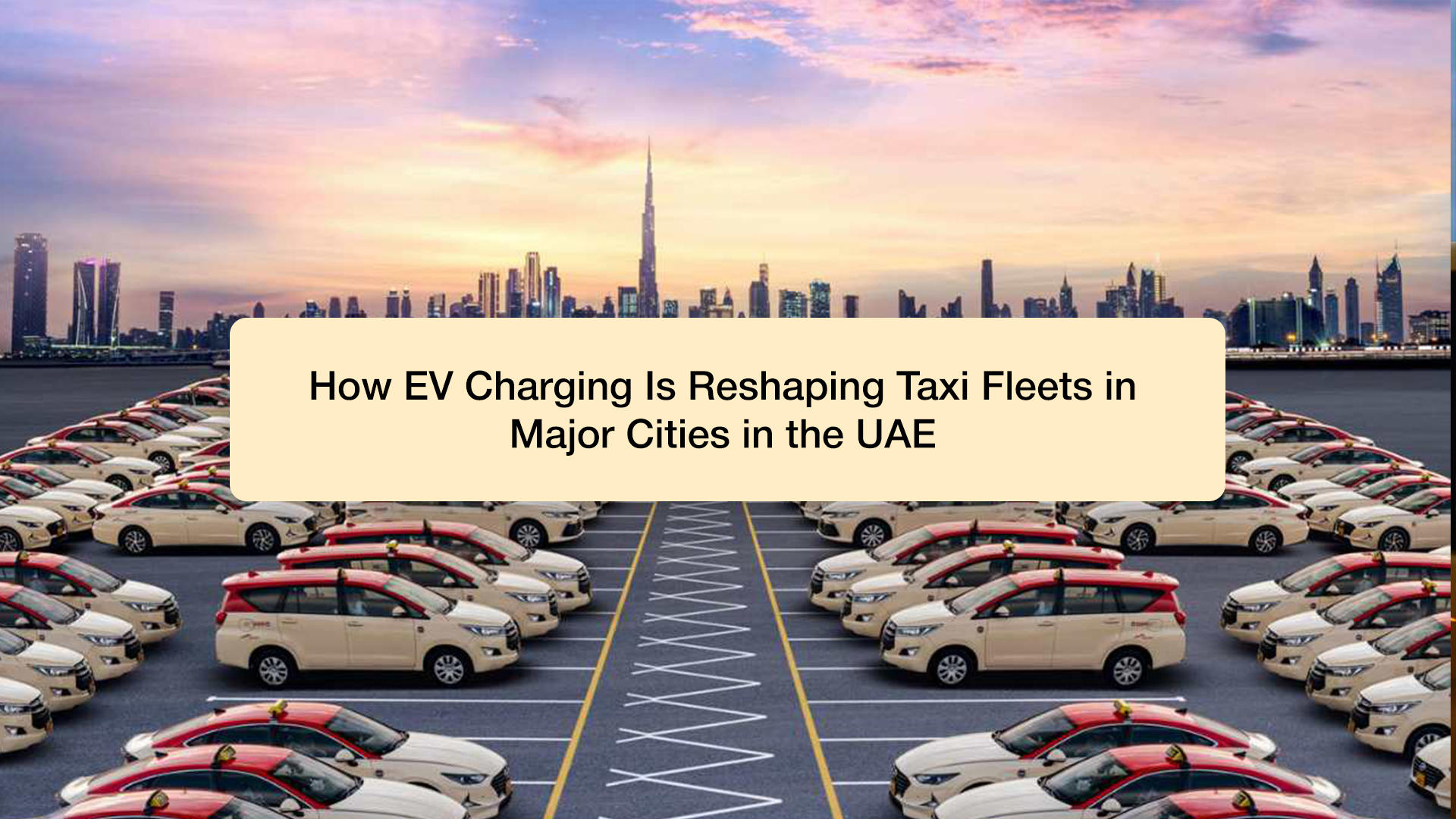
EV Charging is rapidly becoming the backbone of modern taxi fleets in the UAE, as cities accelerate their shift toward cleaner, more efficient urban transport. With the UAE targeting net-zero emissions by 2050 and Dubai aiming for thousands of electric taxis on the road within this decade, charging infrastructure is no longer a supporting element – it is a strategic necessity.
Today, EV charging solutions are directly influencing fleet uptime, operating costs, driver productivity, and passenger experience.
As electric vehicle chargers expand across major cities, taxi operators are discovering that the success of electric fleets depends as much on reliable charging as it does on the vehicles themselves.
Key Highlights
- How EV charging is enabling large-scale electric taxi fleets
- UAE city initiatives driving electric taxi adoption
- Why charging infrastructure matters more than vehicle choice
- Operational and cost benefits of electric taxis
- The future of fleet charging in the UAE
The Global Shift Toward Sustainable Transportation

Across the world, sustainability has moved from aspiration to action. Financial institutions are withdrawing support from fossil fuel projects, energy providers are offering certified green electricity, and automotive manufacturers are committing to an electric future.
Global brands such as Ford, GM, and Mercedes-Benz – along with over 30 nations – have pledged to phase out new petrol and diesel vehicle sales in leading markets by 2035.
This momentum has reached the Middle East, where governments are actively reshaping transport systems. The transition is especially visible in the taxi sector, where high daily mileage makes electrification both environmentally impactful and economically compelling.
In this transformation, EV charging plays a decisive role, enabling fleets to operate at scale without compromising service reliability.
UAE Cities Leading the Electric Taxi Transformation
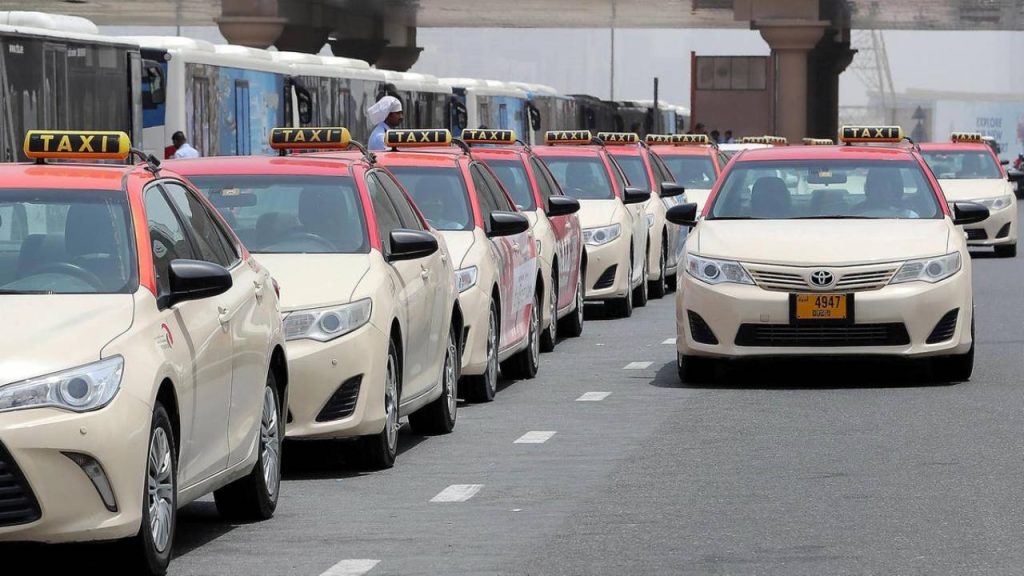
The UAE has emerged as a regional leader in electric mobility, with ambitious targets supported by public-private collaboration.
Dubai: Setting the Benchmark
Sharjah: Long-Term Carbon-Free Vision
Regional Momentum Beyond the UAE
Electric Vehicles Are Redefining Taxi Operations
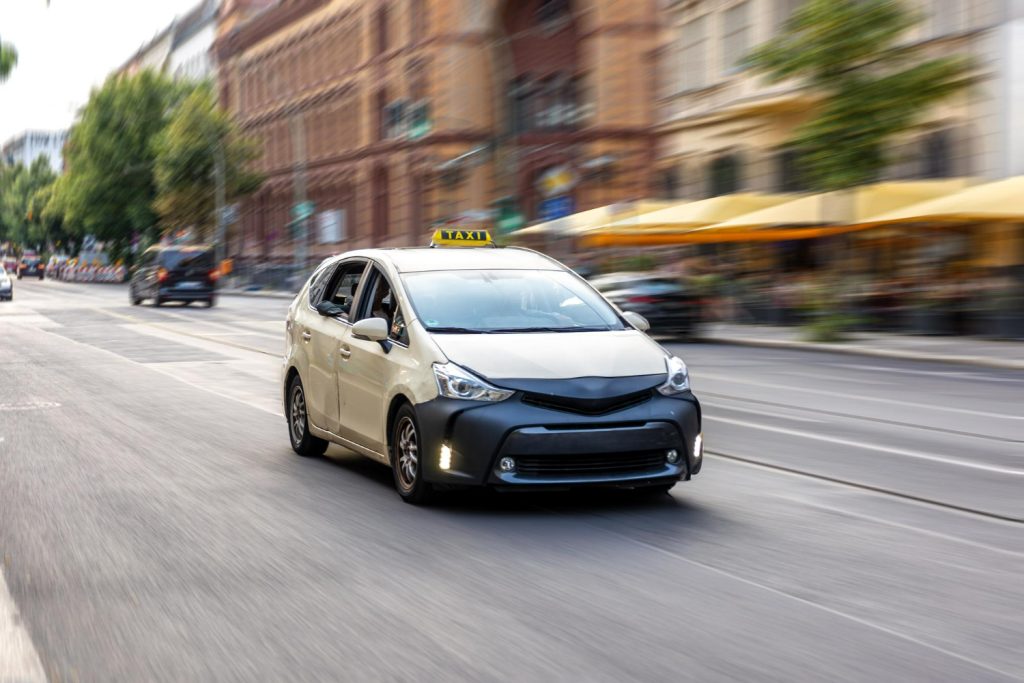
Electric vehicles are no longer experimental in the taxi industry. Their rapid adoption is driven by practical advantages rather than environmental symbolism alone. For taxi operators, EVs deliver predictable performance, lower running costs, and improved driver comfort.
However, none of these benefits are fully achieved without robust EV charging infrastructure. Unlike private vehicles, taxis operate continuously, making access to fast, reliable electric car charger networks essential for maintaining fleet availability and service quality.
Why EV Charging Infrastructure Matters More Than Ever
For electric taxi vehicles, charging is not a background utility – it is a core operational asset.
1) Fleet Uptime and Availability – High-utilisation vehicles require dependable access to electric vehicle chargers at depots, ranks, and public charging hubs. Downtime caused by inadequate charging directly impacts revenue and passenger wait times.
2) Smart Charging for Smarter Fleets – Modern ev charging solutions now integrate load management, real-time monitoring, and scheduling features. These tools allow fleet operators to balance energy demand, reduce peak-time costs, and ensure taxis are charged when and where they are needed most.
3) Compliance and Safety – Using an Approved EV Charger ensures compliance with UAE regulatory standards, protecting both vehicles and drivers. Certified chargers are designed to handle high temperatures, dust, and continuous use – conditions common in taxi operations.
The Advantages of Electric Taxis for UAE Cities
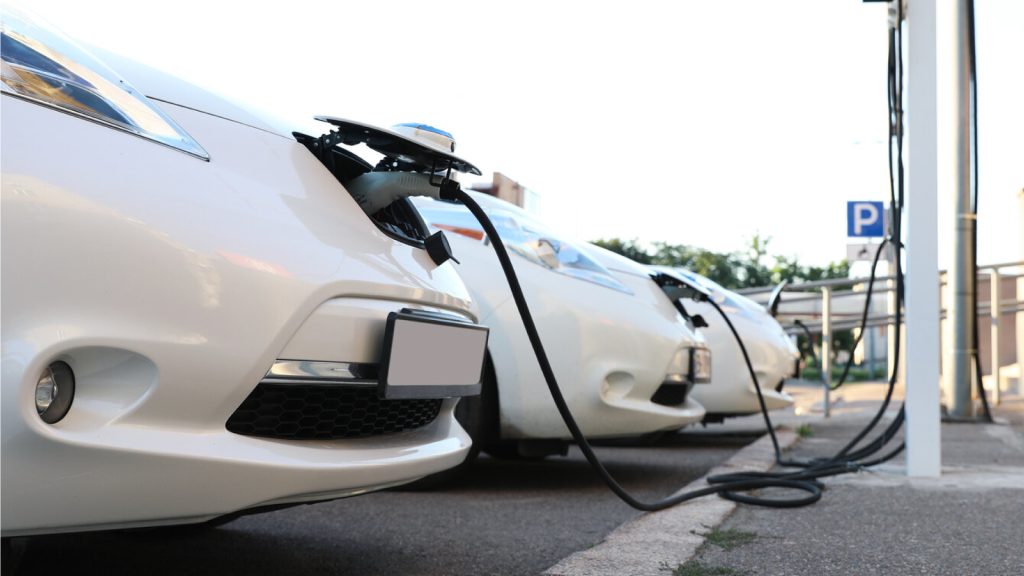
As UAE cities scale up electric mobility, taxi fleets are emerging as one of the most impactful use cases for electrification. High daily mileage, constant passenger interaction, and centralised fleet operations make taxis ideal candidates for EV adoption.
When supported by reliable EV charging infrastructure, electric taxis deliver benefits that go far beyond environmental goals.
1) Cleaner Air and Reduced Urban Emissions
Electric taxis produce fewer tailpipe emissions, which directly improves air quality in busy urban corridors. In cities like Dubai and Abu Dhabi – where taxis operate continuously – this shift contributes to measurable reductions in carbon emissions and supports broader clean-air and sustainability targets.
2) Higher Operational Efficiency for Fleet Operators
Electric vehicles have fewer mechanical components than conventional taxis, resulting in lower maintenance needs and fewer breakdowns. When combined with predictable EV charging costs, fleets experience improved vehicle uptime, smoother operations, and reduced service disruptions across daily routes.
3) Lower Total Cost of Ownership Over Time
While the initial investment in electric taxis can be higher, long-term savings are significant. Reduced fuel consumption, lower servicing costs, and optimised ev charging solutions help operators achieve a lower total cost of ownership over the vehicle’s lifecycle – especially for high-usage taxi fleets.
4) Enhanced Passenger Comfort and Ride Quality
Electric taxis offer quieter operation, smoother acceleration, and reduced vibration compared to internal combustion vehicles. This creates a more comfortable ride for passengers, improving satisfaction levels and reinforcing a modern, premium image for city taxi services.
5) Stronger Alignment with City Sustainability Goals
Electric taxis visibly demonstrate a city’s commitment to sustainable transport. As public awareness of environmental responsibility grows, passengers increasingly prefer eco-friendly transport options, helping taxi operators align with government initiatives while strengthening public trust and brand perception.
EV Charging Models for Taxi Fleets
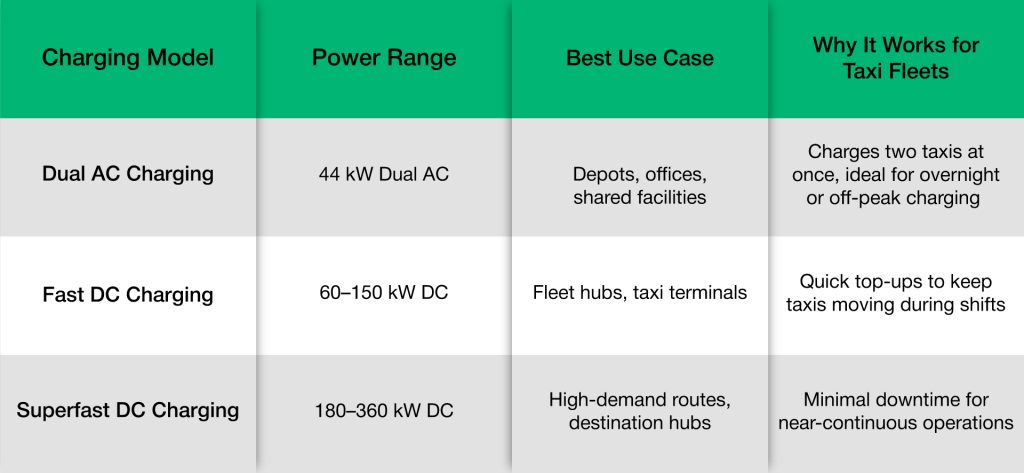
Taxi fleets operate under demanding conditions, with long driving hours, high daily mileage, and limited downtime between trips.
To keep electric taxis moving efficiently, EV charging strategies are typically built around a combination of medium-power AC charging and high-power DC fast charging, each serving a distinct operational purpose.
1) Depot-Based and Shared-Facility Charging with Dual AC Systems
In structured fleet environments such as depots, offices, and shared commercial facilities, dual-output AC charging plays a critical role. A 44 kW Dual AC charging setup allows two electric taxis to charge simultaneously at balanced power levels, making it well-suited for locations where vehicles are parked for moderate durations between shifts.
This model supports predictable charging schedules, efficient space utilisation, and battery-friendly charging – ideal for fleets that want steady overnight or off-peak charging without excessive thermal stress on vehicles.
2) Fast and Superfast DC Charging for High-Utilisation Routes
For taxis operating near-continuous shifts or high-mileage routes, fast charging becomes essential. DC charging ranging from 60 kW to 360 kW enables rapid energy replenishment, allowing vehicles to return to service quickly after short charging stops.
These fast and superfast charging systems are typically deployed at fleet hubs, transport terminals, and destination charging locations where quick turnaround is critical to operational efficiency.
A Balanced Charging Strategy for Taxi Fleets
Successful electric taxi vehicles do not rely on a single charging method. By combining 44 kW Dual AC charging for structured and shared environments with 60–360 kW DC fast charging for high-demand routes, fleets create a resilient EV charging solution that maximises uptime, protects battery health, and supports scalable fleet growth.
The Future of Taxi Fleets in the UAE

As UAE cities accelerate the electrification of public transport, taxi fleets are becoming a clear showcase of sustainable mobility in action.
Dubai’s Roads and Transport Authority is targeting fully eco-friendly taxi and limousine operations by 2027, supported by a rapidly expanding EV charging network.
A key milestone is the agreement between Dubai Electricity and Water Authority and Dubai Taxi Company to deploy over 208 ultra-fast EV charging stations for taxi vehicle fleets, with power outputs of up to 360 kW.
Aligned with Dubai’s Green Mobility Strategy and Net-Zero 2050 goals, this rollout is expected to begin in late 2025, strengthening fleet efficiency, reliability, and long-term competitiveness.
CITA EV Chargers: Powering the Next Generation of Taxi Fleets
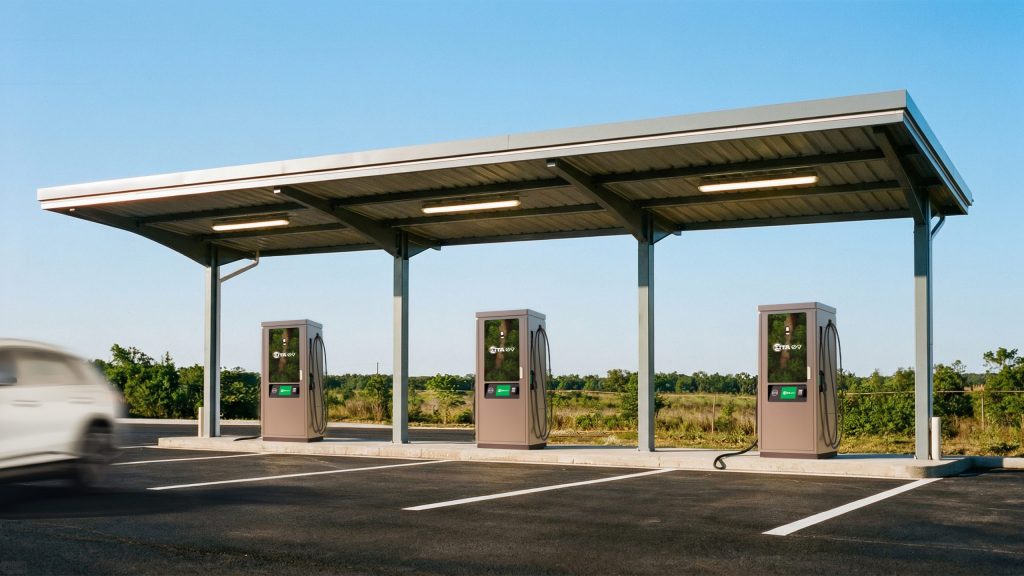
The electrification of taxi fleets across the UAE is no longer a question of if, but of how fast. Reliable, scalable EV charging is the foundation that makes this transition possible. From depot installations to citywide charging hubs, the right infrastructure enables fleets to operate efficiently, sustainably, and profitably.
As the best ev charger manufacturer in UAE, CITA EV Charger supports this transition by delivering Approved EV Charger solutions designed for high-demand fleet operations.
With expertise across EV charging solutions for homes, commercial and public transport use, CITA helps taxi operators build charging infrastructure that is future-ready, compliant, and built for the realities of urban mobility.
Explore EV charging solutions designed for taxi fleets.
Partner with CITA EV Charger to electrify your fleet with confidence.