Skip to content







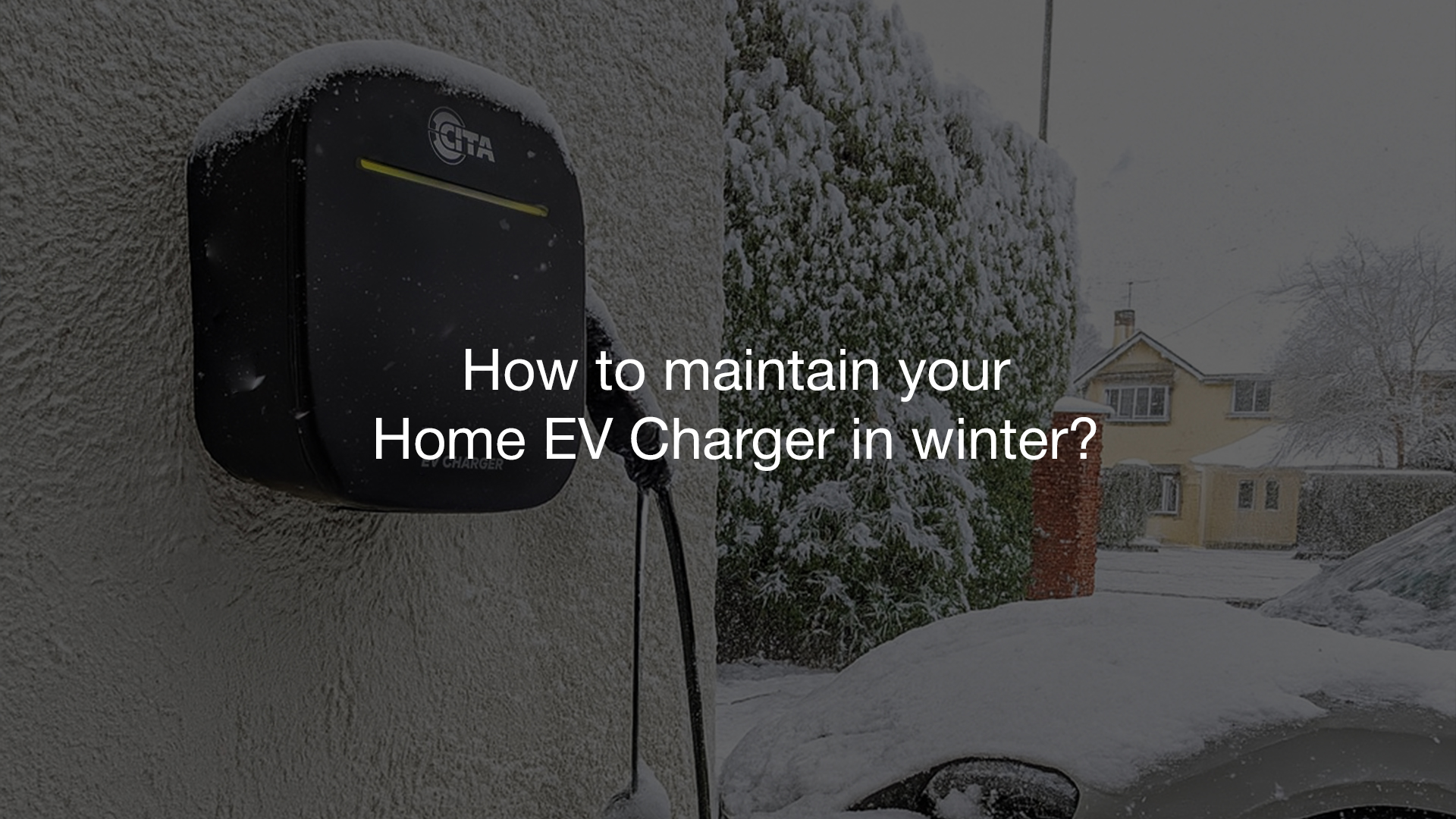
As electric mobility grows across the UAE and more homeowners install a Home EV Charger, understanding how to maintain charging equipment during winter is becoming increasingly important. While the UAE is known for its warm climate, many northern emirates – such as Ras Al Khaimah, Fujairah, and Al Ain – experience significant winter dips, sometimes reaching below 10°C in colder areas. This temperature shift can affect how EV chargers operate, how batteries respond to charging, and the overall performance of your charging setup.
With more than 39,000 electric vehicles projected on UAE roads by 2025, homeowners are increasingly looking for reliable, long-lasting EV charging solutions that perform consistently throughout the year – even in colder months. Winter doesn’t pose extreme risks in the UAE, but it does influence charging behaviour, energy efficiency, and equipment maintenance routines.
Why Winter Maintenance Matters for Home EV Chargers
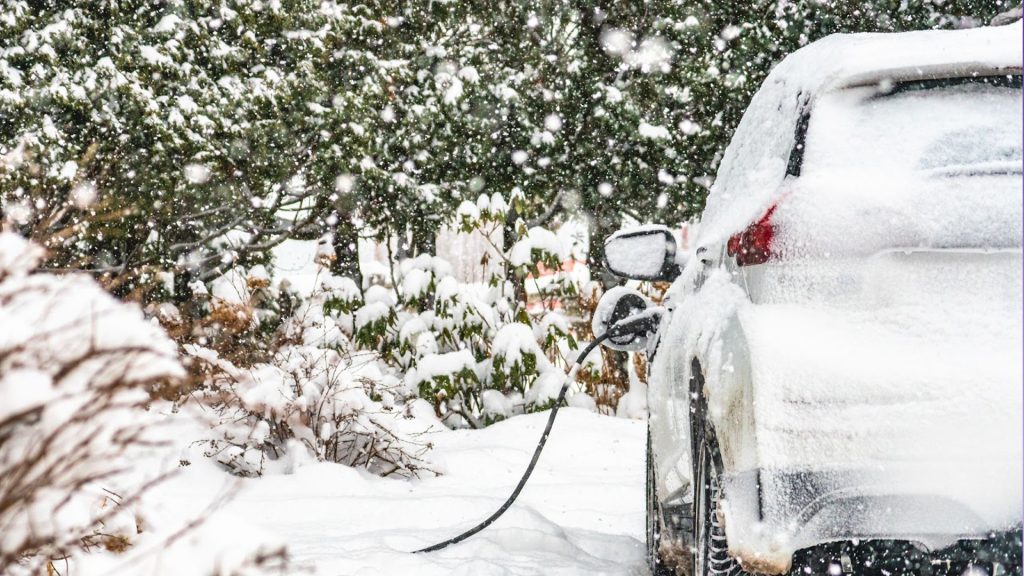
Although UAE winters are milder compared to European or North American climates, temperature drops can still influence EV charging efficiency. Batteries can take slightly longer to warm up, EV chargers may require more stable voltage, and outdoor-mounted units must withstand occasional moisture, fog, or dew.
Modern electric vehicle chargers are designed to perform in various weather conditions, especially models equipped with strong IP65 and IK10 protection ratings. However, regular maintenance ensures optimal charging efficiency and extends the charger’s lifespan.
Understanding the impact of seasonal change helps homeowners prepare their equipment for reliable daily use throughout winter.
7 Key Winter Maintenance Tips for Your Home EV Charger
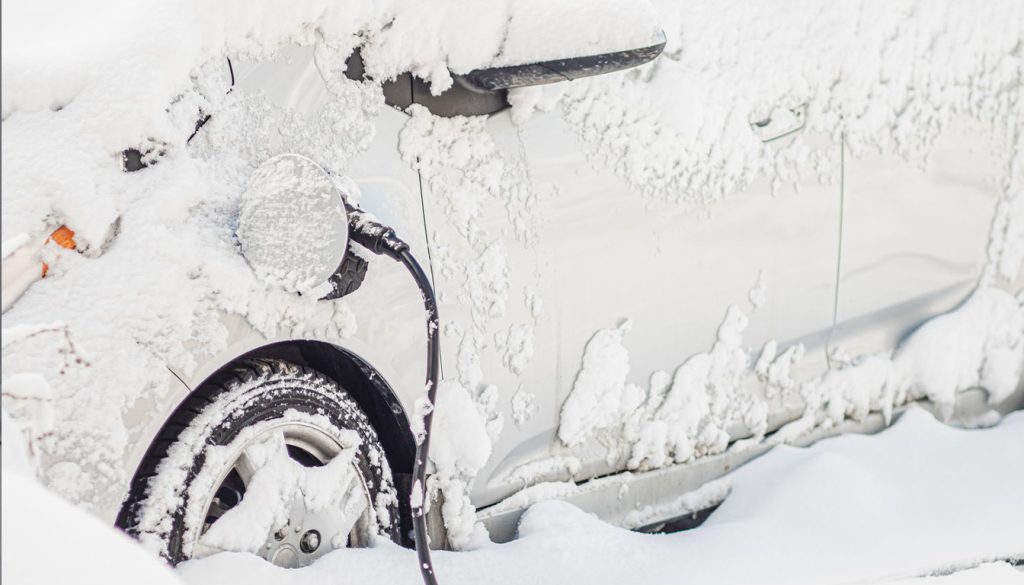
As temperatures drop, even the UAE’s mild winter can influence how efficiently your Home EV Charger operates. Cooler conditions, higher humidity, and morning condensation can all affect charging behaviour if the charger isn’t properly cared for.
By following a few simple maintenance steps, homeowners can keep their chargers performing reliably throughout the season.
Below are the most important practices to ensure smooth and safe winter charging at home.
1) Inspect Charging Cables and Connectors Regularly
Cold weather can make charging cables slightly stiffer than usual. Performing a quick inspection before plugging into your Home EV Charger helps avoid unnecessary strain or bending. Check for:
- Cracks or wear in the cable insulation
- Dirt or dust inside the connector
- Moisture buildup from morning dew
Keeping connectors dry and clean ensures consistent power transfer and reduces wear on your electric car charger over time.
2) Keep the Charger Area Clean and Free from Debris
During UAE winters, outdoor areas may accumulate dust, sand, or moisture, especially in exposed environments. Regular cleaning around your charger reduces the risk of dirt entering the ports or affecting ventilation.
A simple wipe-down once a week protects the unit and maintains performance. Chargers with compact, sealed enclosures (such as those rated IP65 against dust and water) perform better in these conditions.
3) Protect Outdoor Chargers from Excess Moisture
Fog, dew, and occasional drizzle during UAE winters can introduce mild humidity around the charger. While modern EV chargers are built to resist water ingress:
- Avoid placing the charger near sprinklers
- Ensure the mounting surface is properly sealed
- Keep cables elevated and away from wet ground
This prevents moisture damage and ensures your system remains stable even during humid winter mornings.
4) Check the LED Indicators and Mobile App Alerts
Many EV chargers today come with smart monitoring applications, allowing homeowners to track real-time charging status, power consumption, and error notifications. If your EV charging solution includes app integration, use it frequently during winter to:
- Detect any irregular charging patterns
- Monitor temperature-related slowdowns
- Receive diagnostic alerts
Smart features help maintain optimal performance without requiring physical inspection every time.
5) Avoid Charging Immediately After Long Cold Parking
If your electric vehicle has been parked outdoors overnight, its battery may be colder than usual. Cold batteries charge more slowly, even in a mild climate. Allow the EV’s thermal management system a few minutes to warm the battery before connecting it to your Home EV Charger.
This protects battery health and ensures smoother charging cycles.
6) Ensure Proper Ventilation Around the Charger
Even though outdoor winter temperatures are cooler, chargers still generate heat during operation. Proper airflow reduces stress on internal components. Avoid placing storage boxes, bags, or general clutter around the charger’s ventilation zones.
This is particularly important for EV chargers designed with compact, sealed housings, as they rely on efficient airflow to regulate temperature.
7) Perform a Monthly Reset for System Stability
Like any electronic device, your home charger benefits from an occasional system reboot. Resetting the charger monthly:
- Refreshes internal processes
- Clears minor software glitches
- Improves long-term responsiveness
EV Chargers supported by mobile apps and firmware updates perform better when maintained through periodic resets or scheduled diagnostics.
Ensuring Reliable Winter Charging at Home

Maintaining your Home EV Charger during winter is essential for safety, performance, and long-term reliability. Even in the UAE’s mild winter climate, small steps – like moisture protection, cable care, ventilation, and smart monitoring – make a meaningful difference in charging efficiency.
Leading EV charger manufacturers in the UAE provide durable, IP-rated chargers with compact design, smart app integration, installation guidance, and extended warranties. These features ensure that your home charging setup remains reliable even in shifting seasonal conditions.
Ready to Upgrade or Maintain Your Home EV Charger?
If you’re planning to install or upgrade your home EV charger this season, or if you want expert guidance on winter care, you can request a free consultation and speak with an expert.
Reliable AC chargers, smart app features, and certified hardware are already empowering homeowners across the UAE with safe and efficient winter EV charging.