Skip to content







AC vs DC EV Charging: Unveiling the Differences
Electric vehicles (EVs) have become increasingly popular as we strive towards a cleaner and more sustainable future. But have you ever wondered about the differences between AC and DC charging? Here, we’ll delve into the intricacies of AC and DC charging modes, exploring their key distinctions, benefits, and considerations. So, let’s plug in and power up the knowledge.
AC Charging: A Steady Stream of Power AC charging, or Alternating Current charging, is the most common and accessible method for charging electric vehicles. With AC charging, the electric power from the grid is transferred to the EV through conversion to DC power compatible with your EV’s onboard charger battery.
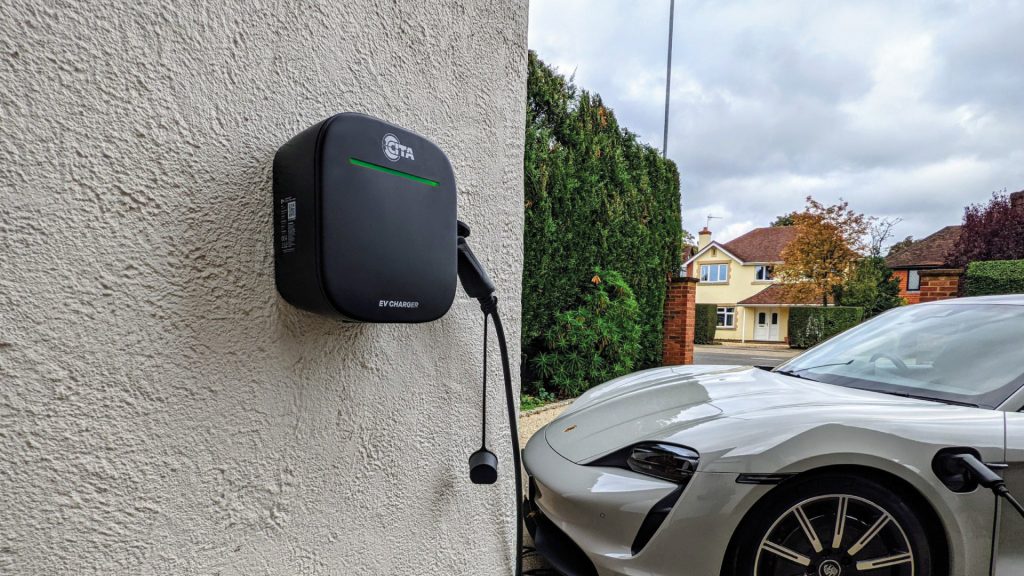
- Charging Speed and Power Output: AC chargers come in varying power outputs, ranging from Level 1 (household outlets) to Level 2 (dedicated charging stations). While AC charging offers slower charging speeds compared to DC, it is perfect for overnight charging at home or during extended stays at workplaces.
- Compatibility: AC charging is compatible with all EV models, as they are equipped with onboard AC-to-DC converters. This universality makes AC charging a convenient and widely available option for EV owners
- Charging Infrastructure: AC charging infrastructure is widespread, with charging stations found at homes, workplaces, public parking lots, and shopping centres. These charging points provide a reliable and accessible network for EV owners, promoting the convenience of charging anywhere, anytime.

- Charging Speed and Power Output: DC chargers are synonymous with rapid charging, delivering a significantly higher charging speed compared to AC chargers. Level 3 chargers, also known as DC fast chargers, can recharge an EV's battery up to 80% capacity in a matter of minutes, making them ideal for long journeys or when you need a quick top-up.
- Compatibility: DC charging is specific to EVs equipped with DC fast charging capabilities. Not all EV models have this feature, so it's crucial to ensure your vehicle supports DC charging before utilising these high-power charging stations.
- Charging Infrastructure: DC fast chargers are strategically located along highways, major routes, and densely populated areas to facilitate long-distance travel and quick charging opportunities. These dedicated charging stations offer convenience for EV owners on the move, reducing range anxiety and allowing for extended journeys.

- Charging Time: AC charging is slower but suitable for overnight and regular charging needs. DC charging provides rapid charging capabilities, ideal for quick top-ups during long journeys or in busy areas.
- Charging Infrastructure: AC chargers are more widely available, with charging stations scattered across various locations. DC fast chargers are strategically placed along highways and major routes, ensuring quick charging options during extended trips.
- Charging Cost: AC charging, relying on standard electrical grids, is generally more cost-effective. DC fast charging may come with additional fees due to the high-power delivery and specialised infrastructure.
CITA EV chargers offer a comprehensive charging solution that caters to the diverse needs of EV owners. With their AC chargers, EV owners can enjoy the convenience of versatile charging options, while their DC fast chargers empower rapid charging for efficient long-distance travel. Whether you require overnight charging, workplace charging, or on-the-go fast charging, CITA EV has the right charger for you.